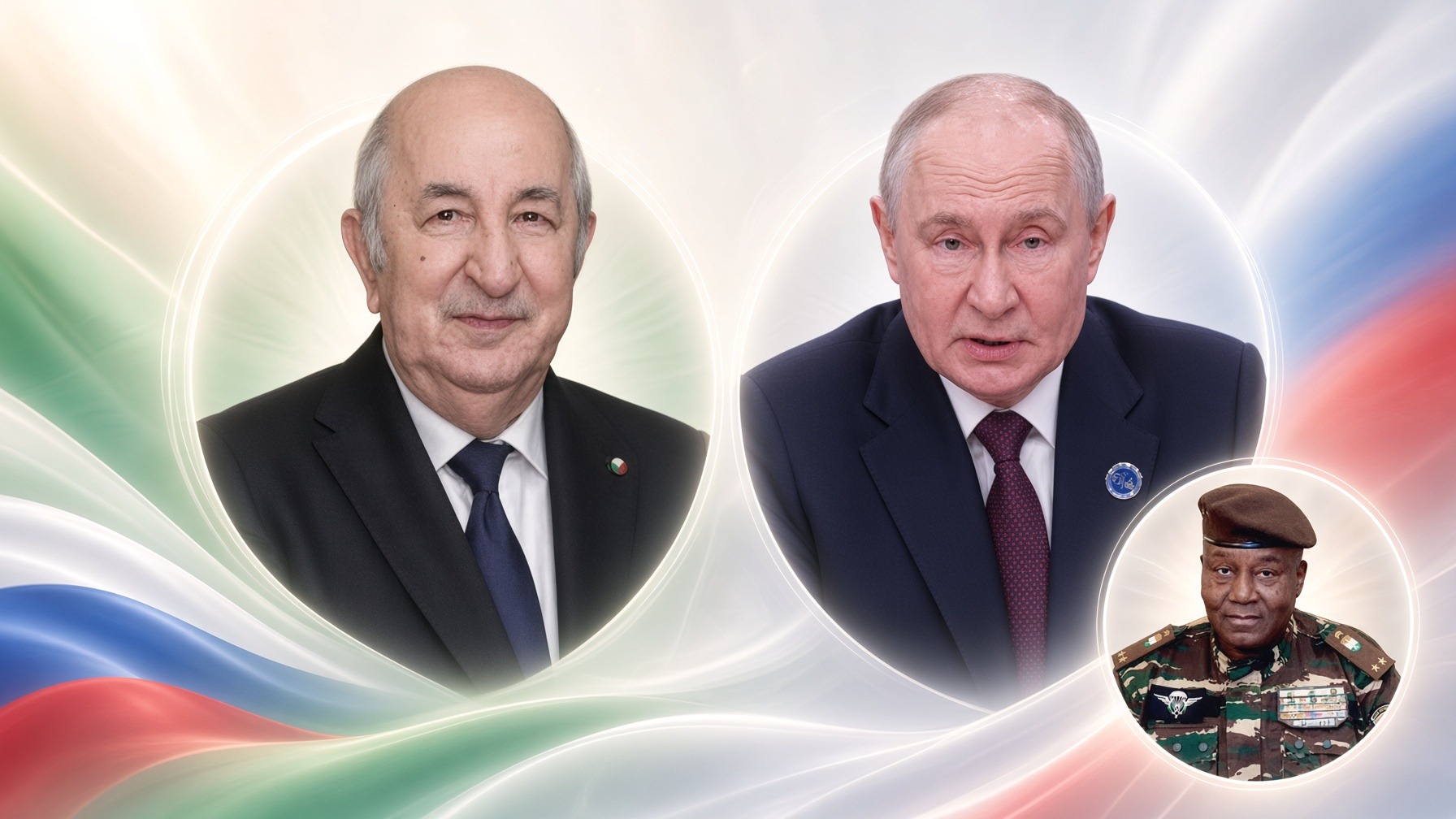
The Sahel’s shifting geopolitical fault lines have just cracked open. After Russia’s diplomatic maneuvers seemingly cemented its military dominance within the Alliance of Sahel States (AES), Algeria has delivered a seismic counterplay: parliamentary approval for the unprecedented deployment of its National People’s Army (ANP) troops into Niger. This marks the first cross-border military operation in half a century for Algeria—one that doesn’t just challenge Moscow’s ambitions but redraws the regional power map.
Breaking Russia’s Sahel monopoly: Algeria’s strategic breakthrough
Moscow had positioned itself as Niamey’s primary defense partner, flooding the junta with emergency arms deals worth hundreds of millions. These agreements included next-generation air defense systems, tactical drones, attack helicopters, and the paid deployment of Africa Corps instructors—each transaction tied to lucrative mineral and oil concessions. Yet Algeria’s formal troop entry has triggered a domino effect that Moscow never anticipated.
Economic fractures in Russia’s Sahel strategy
The ANP’s presence dismantles three pillars of Moscow’s Sahel foothold:
- Collapse of the Russian arms monopoly: Algeria’s structured, high-caliber military support reduces Niger’s reliance on costly Russian equipment upgrades and maintenance.
- Undermining extractive leverage: Moscow’s indirect monetization—securing mining and petroleum licenses in exchange for security—becomes unsustainable as Algeria’s forces neutralize regional mercenary networks.
- Loss of maintenance revenue: While Niger’s Soviet-era fleet (Su-30 fighters, armored units, and artillery) still depends on Russian technical expertise, Algeria possesses the engineering capacity to sustain these systems independently, siphoning off lucrative contracts from Russian state-owned firms.
Securing Algeria’s energy lifelines: A high-stakes gambit
For Algiers, the troop deployment isn’t just geopolitical posturing—it’s a defensive imperative. The specter of Russian paramilitary forces operating along Algeria’s southern frontier threatens two economic juggernauts:
- The Kafra oil field: Operated by Algeria’s national champion Sonatrach via its subsidiary SIPEX, this Nigerien oil block—estimated to hold tens of millions of barrels—is central to the two nations’ industrial revival pact.
- The Trans-Saharan Gas Pipeline (TSGP): This colossal project aims to transport over 30 billion cubic meters of Nigerian gas annually to Europe, traversing Niger and Algeria. The pipeline’s viability demands an ironclad security corridor, incompatible with unchecked Russian-backed armed actors.
By inserting its troops, Algeria guarantees the continuity of these energy corridors while signaling to Moscow that its infrastructure won’t fall under Kremlin-controlled proxies.
From client to rival: Algeria’s pivot against Moscow
Historically, Algeria ranked as Russia’s top African arms customer. Now, it wields its military prowess to counteract Kremlin ambitions in Niger. The junta in Niamey, once a willing Moscow ally, faces pressure to diversify its security partnerships and hedge against total dependence on the Kremlin.
Moscow’s Sahel expansion, once perceived as unstoppable, now collides with Algeria’s financial and strategic veto power. The Sahara has become a chessboard where yesterday’s arms sales no longer shield Moscow from today’s economic and military counteroffensives.
Three fronts where Algeria’s momentum changes the game
- Security sovereignty: Niger gains a non-Russian security guarantor, reducing its vulnerability to Kremlin-backed mercenary leverage.
- Economic disentanglement: Algeria disrupts Russia’s extractive revenue streams, forcing Niamey to renegotiate the terms of its mineral and energy concessions.
- Geopolitical realignment: The AES, long seen as a Russian sphere of influence, now faces a balancing act—Algeria’s move forces Moscow to share the Sahel stage with a regional heavyweight.
The message is clear: Algeria isn’t just a spectator in the Sahel’s new Cold War—it’s the decisive force rewriting the rules. For Russia, the illusion of uncontested dominance in the AES has evaporated. And for Niger, the arrival of Algerian troops could be the turning point its leaders—and the Sahel—have been waiting for.