Senegal, Middle East tensions and the 2026 World Cup
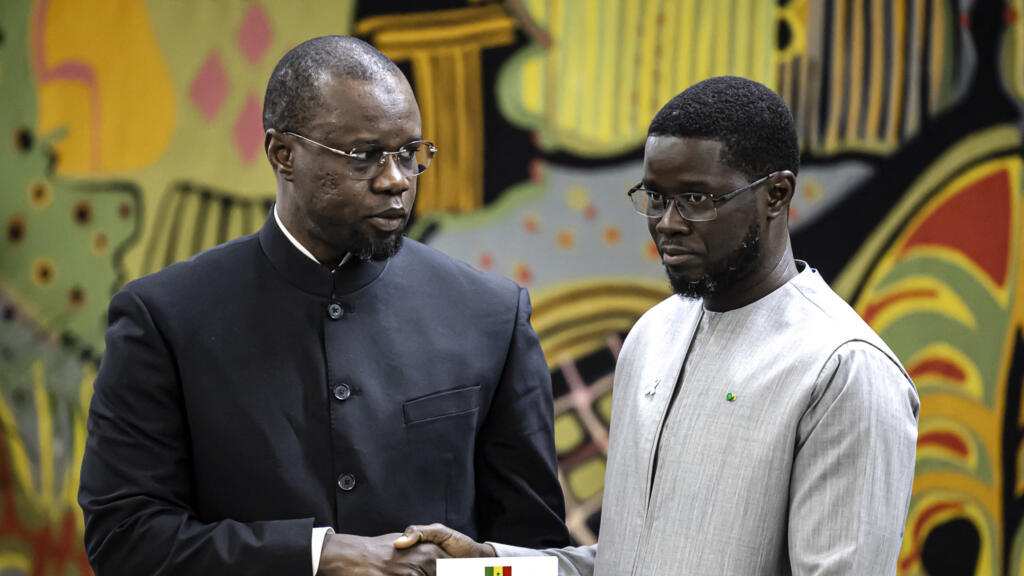
The latest episode examines President Bassirou Diomaye Faye’s strategic moves to consolidate power amid constitutional challenges and rising regional tensions. Can his approach unite Senegal’s divided political landscape and sway public opinion?
This week’s discussion also covers escalating Middle East conflicts and their global implications, with insights from leading African analysts.
Senegal’s political chessboard: navigating constitutional hurdles
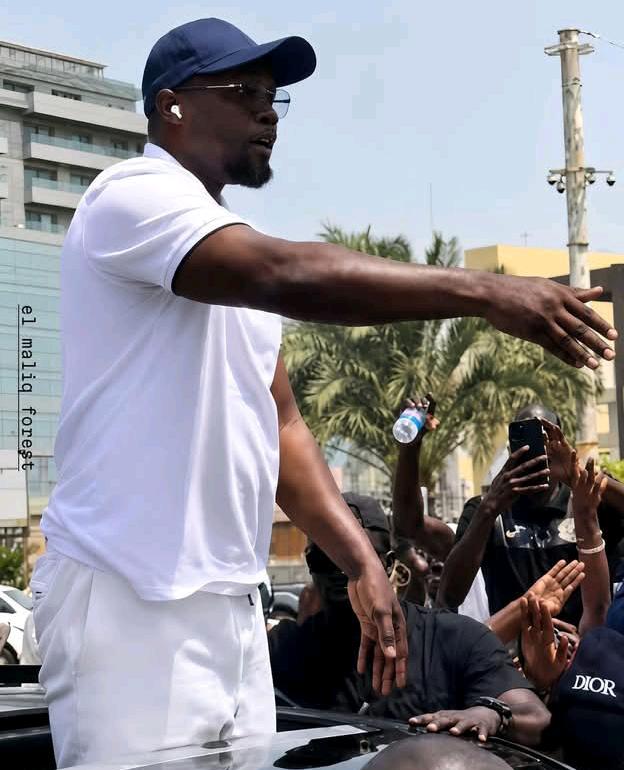
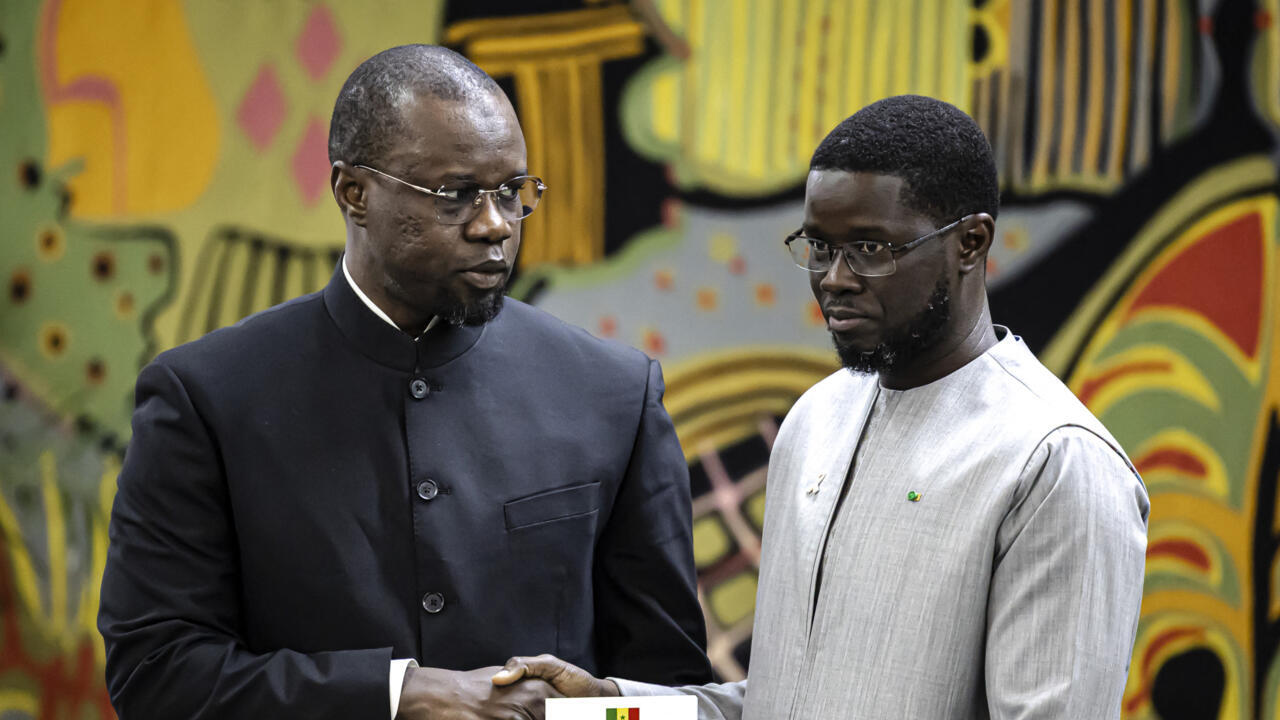
President Bassirou Diomaye Faye is making bold moves to reshape Senegal’s political future. The recent establishment of a presidential party and the constitutional reform’s rejection by the Constitutional Council have set the stage for a pivotal phase in his administration. With the opposition firmly entrenched and public opinion divided, Faye’s strategy faces its sternest test yet. Will his maneuvers succeed in bridging divides or deepen existing fractures?
The invalidation of the constitutional reform, spearheaded by the majority parliamentary group of Pastef under Ousmane Sonko, has added another layer of complexity. Faye’s ability to navigate this turbulent terrain could redefine Senegal’s political trajectory for years to come.
Middle East escalation: a global powder keg
Meanwhile, the Middle East remains a flashpoint of international concern. Fresh rounds of airstrikes and retaliatory actions have pushed tensions with Iran to new heights. Donald Trump’s recent declaration that the ceasefire is “over” and his dismissal of negotiations with Tehran as a “waste of time” signal a dangerous shift. With American military operations looming, the region braces for potential escalation that could have far-reaching consequences.
As geopolitical fault lines widen, the world watches closely to see whether diplomacy can avert further conflict or if military action will become inevitable.
African perspectives on global crises
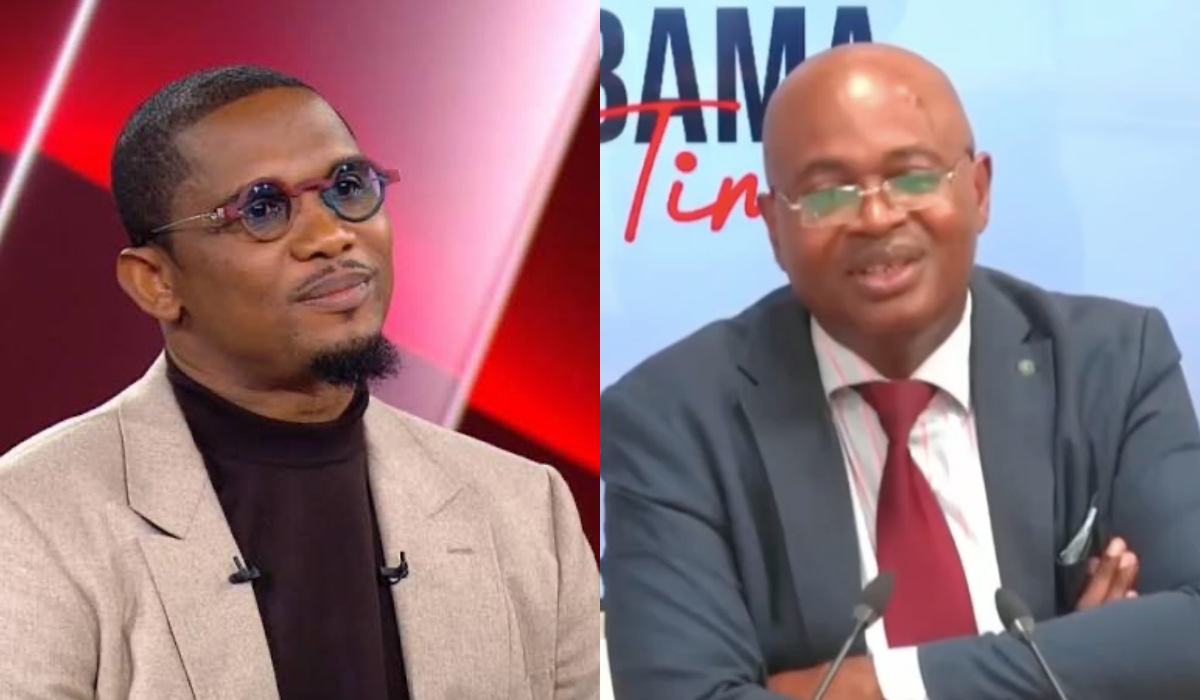
Each week, prominent African journalists dissect the continent’s most pressing issues alongside international developments. This week’s panel brings together:
- Wuldath Mama, Beninese journalist specializing in international affairs
- Eric Topona, Chadian journalist with Deutsche Welle’s Francophone Africa desk
- François Hiondi Nkam, veteran reporter and Economics Editor at Cameroon’s Le Jour newspaper
Together, they provide nuanced analysis on how these crises impact Africa and what the continent’s role could be in shaping global responses.
As Senegal grapples with internal challenges and the world confronts renewed Middle East instability, the coming months promise to be decisive for both regional stability and international diplomacy.