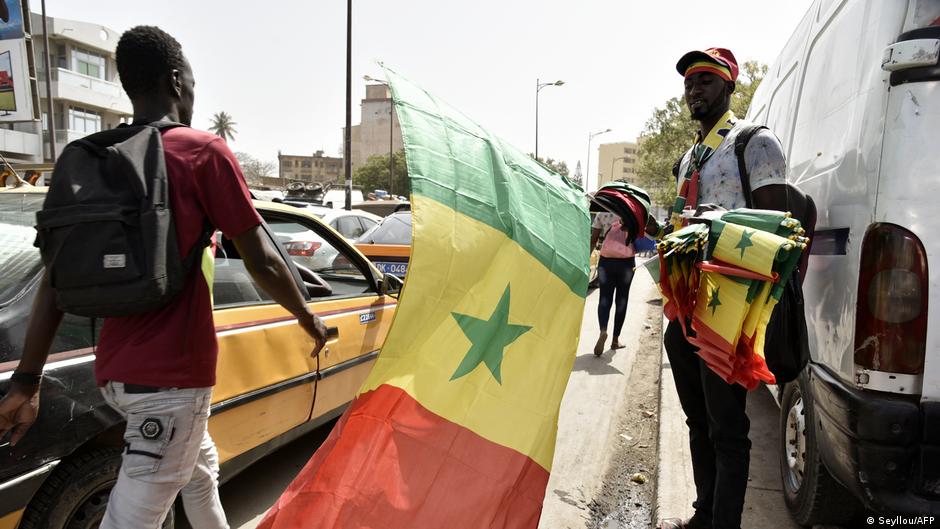
The annual Grand Magal pilgrimage draws millions to Touba, but this year, disciples of Cheikh Ahmadou Bamba face an unexpected hurdle: soaring transport prices. As the holy city prepares for the spiritual gathering, travelers from across the Sénégal and beyond are grappling with inflated fares that threaten to strain already tight budgets.
Skyrocketing transport fares strain pilgrims’ resources
At the bustling Baux Maraîchers station in Pikine, the contrast between ordinary days and the eve of the Grand Magal is stark. Where a standard ticket typically costs between 3,000 and 5,000 francs CFA, pilgrims now face prices ranging from 8,000 to 10,000 francs CFA—depending on the level of comfort they choose. The surge reflects a harsh reality: with roads clogged and demand at its peak, transport operators are capitalizing on the situation.
Fallou, a seasoned agent at the station, explains the dilemma facing travelers. “All these vehicles are heading to Touba,” he says, gesturing to the sea of taxis and buses. “You can opt for a smaller, non-air-conditioned car at 10,000 francs, or a larger, air-conditioned bus for 8,000 francs. These are today’s prices—blame the gridlock on the road to Touba.” His words underscore the frustration of passengers who feel trapped by the circumstances.
Desperate choices and financial burdens
For Mamadou, a lifelong attendee of the Grand Magal, the decision was not an easy one. “They always hike prices during major events like this,” he laments. “Touba isn’t far, and in normal times, the fare is much lower. These costs are unbearable, but I have no choice. My family is waiting for me there, and we must welcome our guests properly.” His voice carries the weight of a man stretched between faith and financial strain.
Transport operators defend the price hikes, citing the challenges of the journey. Bour Guewel, a veteran driver with nearly three decades of experience, points to the imbalance in supply and demand. “We leave Dakar full of passengers, but returning to the capital is nearly impossible—especially with the surge in fuel costs. We have to fill our tanks twice for a single trip.” He adds that the congestion around Touba forces drivers to “increase fares to offset the losses.“
Public transport struggles to meet demand
The state-run operator, Dakar Dem Dikk, offers tickets at 4,000 francs CFA—a fraction of the private sector’s rates. However, the limited capacity and strict baggage policies make it a less attractive option for pilgrims carrying essentials for the event. With long queues and dwindling seats, many are left with no alternative but to pay the premium rates set by private transporters.
As the Grand Magal approaches, the tension between spiritual devotion and economic hardship grows. For the pilgrims of Sénégal, the journey to Touba is more than a trip—it’s a test of faith against the rising tide of costs.


More Stories
Mali’s war of narratives: how a once-neutral news site became a megaphone for official military spin
Senegal’s palm oil revival: how Jakarta’s expertise could end a decade of stagnation
Behind the scenes: how Gabon is reshaping EU fishing talks for stronger sovereignty