A dangerous gamble in a volatile region
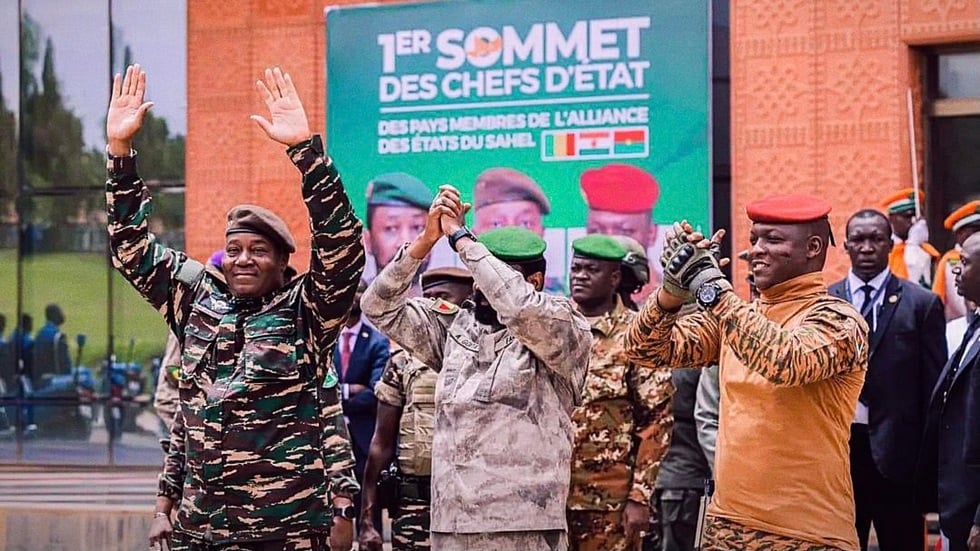
In the complex arena of international relations, timing and precision are vital. The choice made by the Alliance of Sahel States (AES)—comprising Mali, Burkina Faso, and Niger—to abandon the Economic Community of West African States (ECOWAS) is increasingly appearing to be a perilous venture rather than a simple act of reclaiming sovereignty.
At a time when West Africa faces relentless pressure from extremist groups like Boko Haram and ISWAP, regional cohesion should be the primary defense. Instead, the region is witnessing a fractured front. In the realm of counter-terrorism, such division is more than just a bureaucratic hurdle; it is a direct threat to human life.
Sovereignty versus vulnerability
The AES leadership defended their departure by claiming ECOWAS had become a puppet of neo-colonial interests, specifically pointing toward France. While historical grievances regarding African autonomy are often legitimate, making drastic structural changes without a viable alternative is a recipe for disaster. Severing ties with an established regional security framework without a proven replacement does not foster independence—it invites instability.
The subsequent shift toward Russia as a primary security guarantor has been framed as a strategic pivot. However, current events suggest this has created a new form of dependency. Moscow often operates on a transactional basis, providing support only as long as it serves its own geopolitical interests. When the cost of involvement outweighs the benefits, such commitments frequently evaporate, leaving local governments exposed.
Cracks in the new alliance
Recent insurgent strikes across several Mali urban centers—including Bamako, Mopti, Gao, and Kidal—have highlighted significant gaps in the current defense strategy. The expected protection from new international partners has proven insufficient. Perhaps more alarming is the lack of a coordinated response from Burkina Faso and Niger. A security pact that fails to act decisively when one member is under fire loses its deterrent power.
The legacy of collective action
This situation stands in stark contrast to the history of ECOMOG. Led by Nigeria, this regional force intervened effectively in Liberia and Sierra Leone, restoring stability during periods of near-total state collapse. While not without its flaws, it represented a unified response to shared threats.
Similarly, when The Gambia faced a constitutional crisis as Yahaya Jammeh refused to step down for Adama Barrow, ECOWAS-mandated troops from Nigeria secured a peaceful transition within hours. These examples underscore a fundamental truth: geography is an inescapable reality. West African nations are linked by more than just paperwork; they share borders, cultures, and the consequences of conflict. When Mali faces a crisis, Niger feels the impact; when Burkina Faso struggles, the ripples reach Ghana.
Lessons in self-reliance from the global stage
The example of Iran is often cited in discussions of national resilience. The takeaway from the Tehran model is not just about defiance, but about building internal capacity. True security stems from domestic intelligence, technological advancement, and indigenous military strength. External alliances should only ever be a supplement to, not a replacement for, internal capability.
The AES nations do not have to choose between French influence and Russian uncertainty. By focusing on self-reliance, as Iran did when facing major military powers like the United States and Israel, Sahel nations can better protect their sovereignty. This requires investing in local intelligence networks and rapid-response capabilities that work in harmony with neighboring states.
The path toward a smarter equilibrium
For the Sahel, the way forward involves a two-pronged strategy. First, there must be an aggressive investment in homegrown security infrastructure and community-based defense. Second, a diplomatic re-engagement with ECOWAS is essential. This is not a matter of surrender, but of strategic survival. Cooperation does not diminish a nation’s independence; it ensures its continued existence.
Simultaneously, ECOWAS must evolve. The organization needs to address its internal governance issues and the perception of outside influence to prove it is a truly African institution dedicated to African goals. The region does not need isolation; it needs a synergy of sovereignty and solidarity.
Ultimately, a divided West Africa is a gift to groups like Boko Haram and Lakurawa, who do not recognize political borders. The AES states should reconsider their path, acknowledging that a unified front is the only way to defeat a common enemy. There is no shame in adjusting a strategy that is failing; the real tragedy lies in watching cities fall while clinging to isolation.