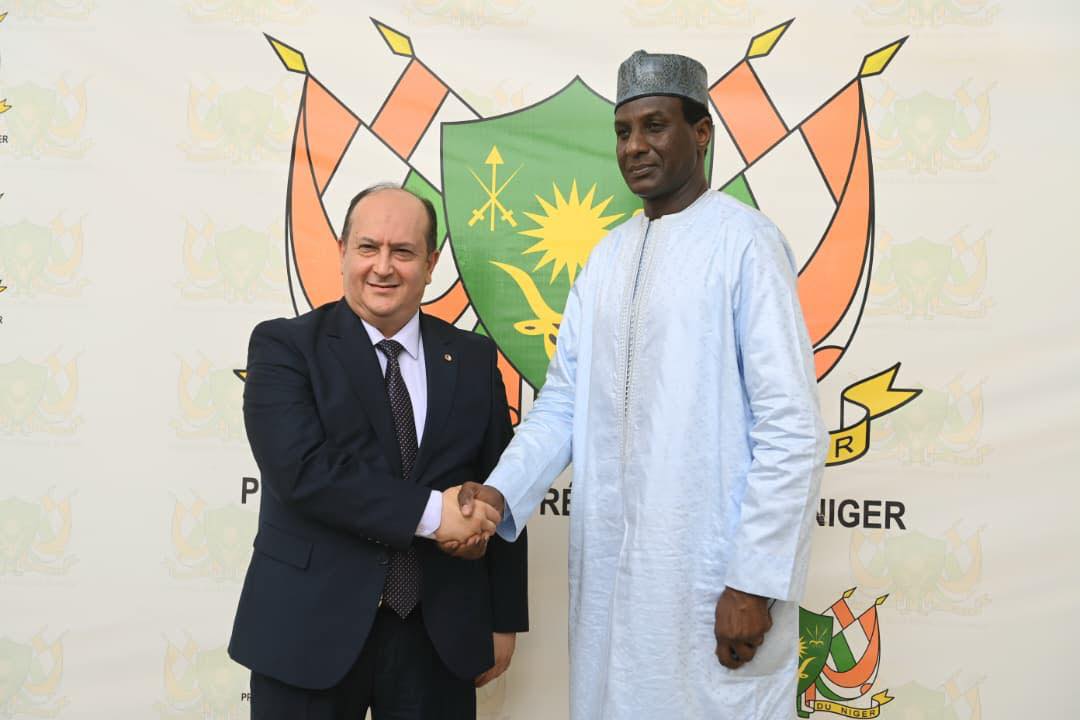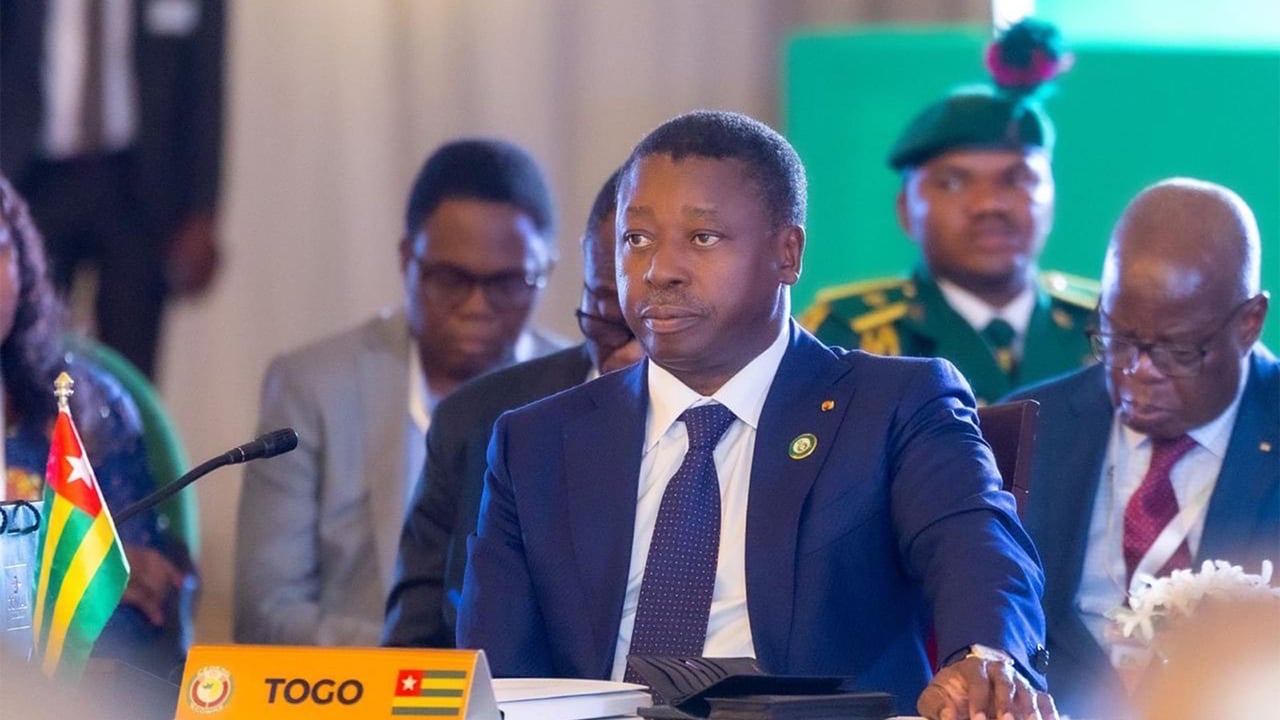

The Togo government’s diplomatic maneuvering often speaks volumes through its actions rather than official statements. On Monday, March 9, Russian Defense Minister Andrei Belousov, who had arrived in Lomé by plane the previous day, met with Faure Essozimna Gnassingbé. While this meeting was confirmed to our team by a source within the Togolese presidency, no official announcement was made regarding the discussions.
Why Togo’s diplomatic silence matters
This discreet approach underscores Togo‘s delicate position as it navigates complex regional and international relationships. The meeting with Russia‘s top defense official highlights the country’s efforts to maintain a balanced foreign policy, especially as geopolitical tensions reshape alliances in West Africa.
In a region where political and economic blocs are rapidly evolving, Togo must carefully weigh its partnerships to safeguard its national interests. The absence of public communication suggests a strategy of quiet diplomacy, allowing the country to explore opportunities without prematurely committing to any single bloc.
ECOWAS, AES, and Russia: a balancing act
Faure Gnassingbé‘s government faces the challenge of reconciling its commitments to the Economic Community of West African States (ECOWAS) with growing ties to the Alliance of Sahel States (AES) and Russia. Each of these relationships offers distinct advantages:
- ECOWAS: Provides regional stability, economic integration, and diplomatic support within West Africa.
- AES: Represents a counterbalance to traditional regional powers, offering alternative economic and security partnerships.
- Russia: A historical ally with potential military and economic cooperation, particularly in energy and defense sectors.
The meeting with Andrei Belousov signals Togo‘s intention to keep channels open with Russia, even as the country remains a member of ECOWAS and maintains ties with the AES. This delicate equilibrium reflects Gnassingbé‘s leadership style—pragmatic, adaptive, and focused on national interest above all.