
The Plateforme panafricaine des femmes et des jeunes pour la paix, la démocratie et la gouvernance (2Pfj) has issued a call for a comprehensive, participatory, and inclusive political dialogue to drive sustainable electoral reforms in Côte d’Ivoire. In a formal statement dated July 21, 2026, the organization emphasizes the urgency of addressing deep-rooted socio-political challenges that continue to impact the nation.
The 2Pfj stresses that electoral governance reform is not a routine administrative task but a cornerstone of the Republic’s stability. It argues that a mere informational session, as initially proposed, would fall short of addressing the complexities of the current crisis. Instead, the platform advocates for a structured negotiation framework that brings together all national stakeholders to forge a consensus on the future electoral management body.
Consensus-driven reforms for credible elections
At the heart of the 2Pfj’s recommendations is the establishment of bipartisan technical commissions composed of government representatives, opposition leaders, and civil society actors. These commissions would be tasked with defining the competencies, financial autonomy, and independence of the proposed new electoral bodies. Whether the final structure aligns with current proposals or evolves into an alternative model, the focus remains on ensuring institutional credibility.
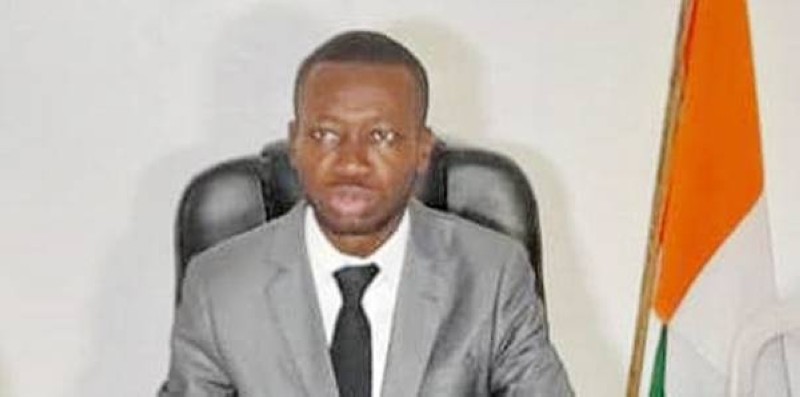
The organization, led by its chairperson Jean-Martial N’Guessan, also underscores the need for a trust-building environment. This includes the release of individuals detained on politically motivated grounds and the safe return of exiles, whose participation is vital for national reconciliation. Additionally, the 2Pfj calls for meaningful representation of women and youth organizations within the new electoral governance framework to foster a more inclusive and peaceful civic engagement.
Lessons from past crises and a vision for stability
Reflecting on Côte d’Ivoire’s turbulent electoral history, the 2Pfj acknowledges the resilience of the Ivorian people in overcoming divisions when national unity is prioritized. The current electoral reform process is framed as a pivotal opportunity to unite citizens around a shared vision: building a more stable, peaceful, and prosperous Côte d’Ivoire.
This stance comes in the wake of the government’s dissolution of the former Independent Electoral Commission (Cei) and the convening of a high-level working session on June 22, 2026. Chaired by Prime Minister Robert Beugré Mambé, the meeting gathered political parties and civil society organizations to explore pathways for sustainable electoral reform.
The 2Pfj’s proposals underscore a broader commitment to democratic resilience, emphasizing that electoral governance must transcend partisan interests to serve the collective good of all Ivorians.



More Stories
Military regimes under pressure in Niger and Burkina Faso
Cameroun : le départ du Hilli Episeyo pèsera sur la croissance 2026
Gabon secures economic pathway with IMF through 2026 transition plan