
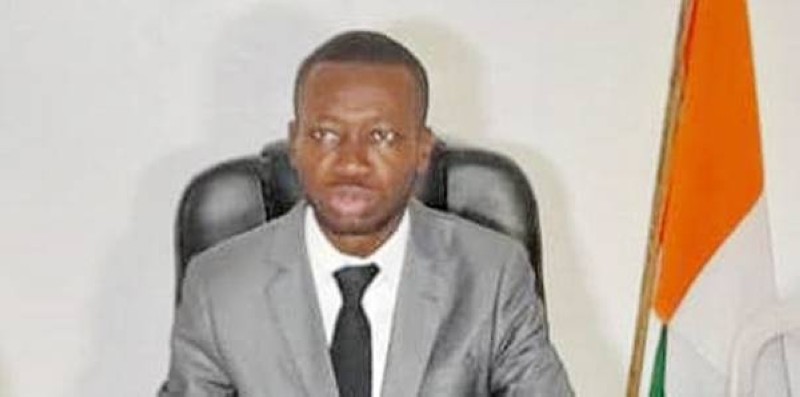
The Plateforme panafricaine des femmes et des jeunes pour la paix, la démocratie et la gouvernance (2PFJ) has issued a strong call for an all-encompassing, transparent, and constructive political dialogue in Côte d’Ivoire to guide sustainable electoral reforms. The organization’s stance was clearly articulated in an official statement delivered to local media on July 21, 2026.
In its declaration, the 2PFJ stresses the urgent need for a thorough and honest assessment of the current socio-political climate in Côte d’Ivoire. The country has weathered multiple crises that have left lasting scars on its population. The group emphasizes that electoral governance reform—being a cornerstone of the Republic and democracy—cannot be reduced to a mere informational session.
The organization urges the government to elevate this process into a structured platform for national negotiation and dialogue. This initiative must involve all vital stakeholders to ensure inclusivity and legitimacy. The 2PFJ insists that the new electoral management body must emerge from a national consensus to foster trust among all political actors.
To achieve this, the 2PFJ proposes the creation of bipartisan technical commissions that would include representatives from the government, opposition parties, and civil society. These commissions would be tasked with defining the roles, financial autonomy, and independence of the three proposed new institutions—or any alternative institutional framework that may be adopted.
Jean-Martial N’Guessan, Chairman of the 2PFJ Board of Directors, signed the document outlining these recommendations. The platform also underscores the critical importance of building a climate of trust to ensure fruitful discussions. It advocates for the release of individuals detained in politically motivated cases and the safe return of exiles.
Additionally, the 2PFJ calls for meaningful representation of women’s and youth organizations within the future electoral bodies. This inclusion aims to strengthen citizen oversight and promote a peaceful, inclusive electoral environment. The platform acknowledges that Côte d’Ivoire’s electoral crises have deeply affected its people, but it also highlights the nation’s proven resilience in overcoming divisions when the collective good is at stake.
The proposed electoral governance reform, according to the 2PFJ, represents a historic opportunity to unite Ivorians around a shared vision: building a more stable, peaceful, and prosperous Côte d’Ivoire.
A pivotal meeting on June 22, 2026, marked a significant step in this process. Following the dissolution of the former Independent Electoral Commission (CEI), the Ivorian government, led by Prime Minister Robert Beugré Mambé, convened an extensive working session. This gathering, described as an expanded information forum, brought together political parties, movements, and civil society organizations to explore pathways for electoral system reform and identify sustainable solutions.


More Stories
Is Chad truly heading towards political appeasement?
Bradley Barcola will adapt faster than Florian Wirtz at Liverpool, says Jermaine Pennant
Togo eyes nuclear power to secure future energy sovereignty