
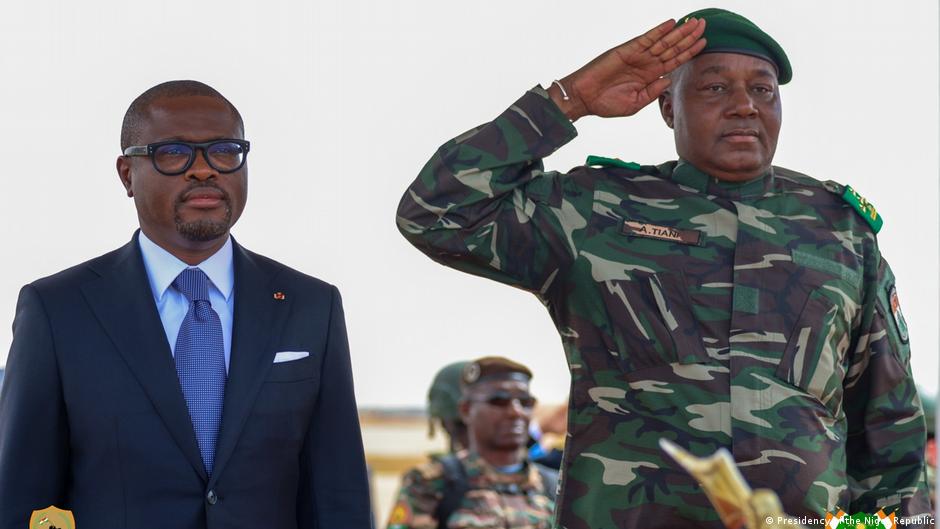
The political landscape between Niger and the Economic Community of West African States (ECOWAS) remains tense three years after the July 2023 coup that ousted President Mohamed Bazoum. Despite initial condemnation and threats of force, the regional bloc continues to seek avenues for dialogue with Niamey’s military leadership.
The rupture deepened when Niger, along with Mali and Burkina Faso, formed the Alliance of Sahel States (AES) in 2024. This coalition marked a formal break with ECOWAS, culminating in the withdrawal of all three nations from the regional organization in early 2025. Yet, behind the diplomatic standoff, quiet negotiations persist—underscoring a complex interplay of regional security, economic interdependence, and sovereignty claims.
Mediation efforts gain momentum
At the heart of these efforts is former Guinean Prime Minister Lansana Kouyaté, appointed by ECOWAS as lead negotiator with the AES. Following a recent summit in Freetown on July 18, 2026, ECOWAS tasked incoming Commission President Birame Diop—a Senegalese diplomat—with prioritizing regional security discussions. According to regional analysts, this signals a shift toward pragmatic engagement.
“We are at the beginning of a promising process. Both sides are aligned on the need to reopen dialogue,” noted political observer Pape Ibrahima Kane. He emphasized the unique position of Niger, which relies on Nigeria and Benin for electricity and access to Cotonou Port—critical lifelines that could shape future negotiations. Kane believes Kouyaté will leverage these dependencies to advance talks.
New leadership, renewed hope
Another factor easing tensions is the arrival of new leadership in key ECOWAS countries. In May 2024, newly elected Senegalese President Bassirou Diomaye Faye became the first regional leader to visit the AES countries. Earlier this year, Beninese Prime Minister Romuald Wadagni chose Niger as his first official destination, signaling a thaw in bilateral relations.
“Unlike previous administrations accused of heavy-handedness, these leaders are adopting a more balanced approach,” Kane observed. He added that the ECOWAS Commission in Abuja is transitioning toward a less confrontational agenda, potentially easing the path to reconciliation.
Civilian rule vs. military governance
Not all voices are optimistic. Sahanine Mahamadou, a senior advisor to President Bazoum and expert on civil society, argues that the military junta has repeatedly rejected dialogue. He insists true patriotism demands a return to civilian rule:
“If these leaders are truly patriots, they must create opportunities to restore democracy. The world has moved on—military rule is no longer sustainable in our states.”
Mahamadou’s remarks reflect broader international concern over Bazoum’s continued detention, which has drawn condemnation from the European Parliament and human rights groups. A March 2026 resolution demanded his immediate release, prompting Niamey to accuse external actors of interference.
Europe’s balancing act
For Jérôme Pigné, founder of a Sahel-focused security think tank, Brussels faces a dilemma: upholding democratic values while maintaining dialogue with Niamey. He describes the situation as a high-wire act:
“The illegal detention of President Bazoum is a thorn in the side of the EU. Yet, Europe must ask itself what it truly wants—realpolitik or principled engagement? So far, no one has found the right balance.”
Pigné notes that Niger remains a key EU partner in the Sahel, and Brussels is reconsidering its cooperation framework. Potential support could include intelligence sharing, military equipment, and security training—tools seen as vital to stabilizing the region. A recent German study even recommended large-scale aid packages to Sahelian regimes to address economic and security challenges.
However, the study cautions against expecting behavioral changes from military leaders. Instead, it urges sustained political dialogue with civil society and local actors to foster long-term stability.
More Stories
Ivorian electoral reforms: 2PFJ pushes for broad political dialogue
Military regimes under pressure in Niger and Burkina Faso
Nigeria reaffirms support for Western Sahara amid gas pipeline debates