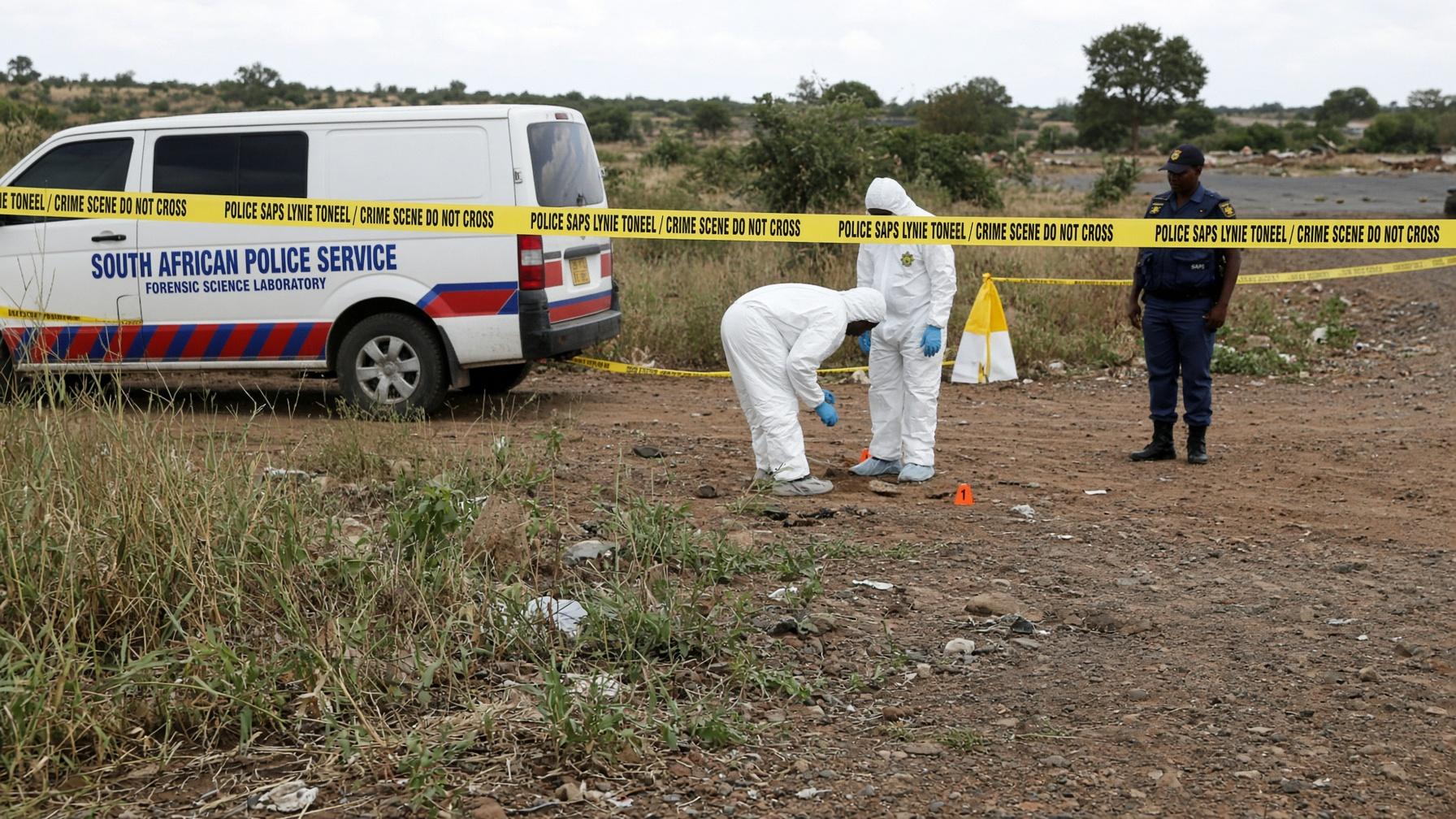
South Africa has been jolted once more by a burst of gun violence that left at least 27 people dead and several others gravely wounded in two separate attacks in Johannesburg and the Cape Town area. The shootings, which unfolded within hours of each other, have reignited a painful national conversation about safety, criminality, and what, if anything, can be done to stop the killing.
What happened — and how the country is reacting
In Johannesburg, the country’s economic engine, gunmen opened fire on a group of people inside an informal establishment in a working-class neighbourhood. In the Cape Town region, a peri-urban area already scarred by gang rivalries and organised crime became the scene of another deadly volley. Police have launched manhunts for the unidentified assailants, who fled in vehicles before officers could close in.
The immediate aftermath has been a mix of grief, anger, and weary familiarity. Residents in affected communities gathered at the scenes, demanding answers. On social media and in radio call-in shows, South Africans questioned how many more times they would wake up to news of mass shootings before something changes.
A pattern that keeps repeating
These attacks are the latest entries in a long and grim ledger. South Africa consistently records one of the world’s highest homicide rates, and mass shootings have become a recurring feature of life in both major cities and smaller towns. The drivers are well known, even if the solutions remain elusive:
- Gangsterism and the drug trade — turf wars over narcotics distribution and extortion rackets in townships regularly turn lethal.
- Taxi industry rivalries — competing minibus associations have engaged in bloody feuds that spill into public spaces.
- Illegal firearms — a steady flow of unregistered guns fuels the violence, despite repeated promises to clamp down on trafficking.
Each new massacre brings fresh vows from authorities to boost police visibility and disrupt arms networks. Yet the bodies keep piling up, and public patience is wearing thin.
The road ahead: accountability, reform, and a weary public
For now, the focus is on the manhunts and on supporting the families of the dead and injured. But beyond the immediate response, the shootings have amplified demands for a more fundamental reckoning: better intelligence-led policing, tougher action against gun runners, and meaningful interventions in communities where criminal economies have taken root.
Whether this latest tragedy becomes a turning point or simply another entry in an ever-growing list depends on decisions made in the coming weeks. For many South Africans, the question is no longer whether another mass shooting will happen, but when — and whether anyone will be held to account.