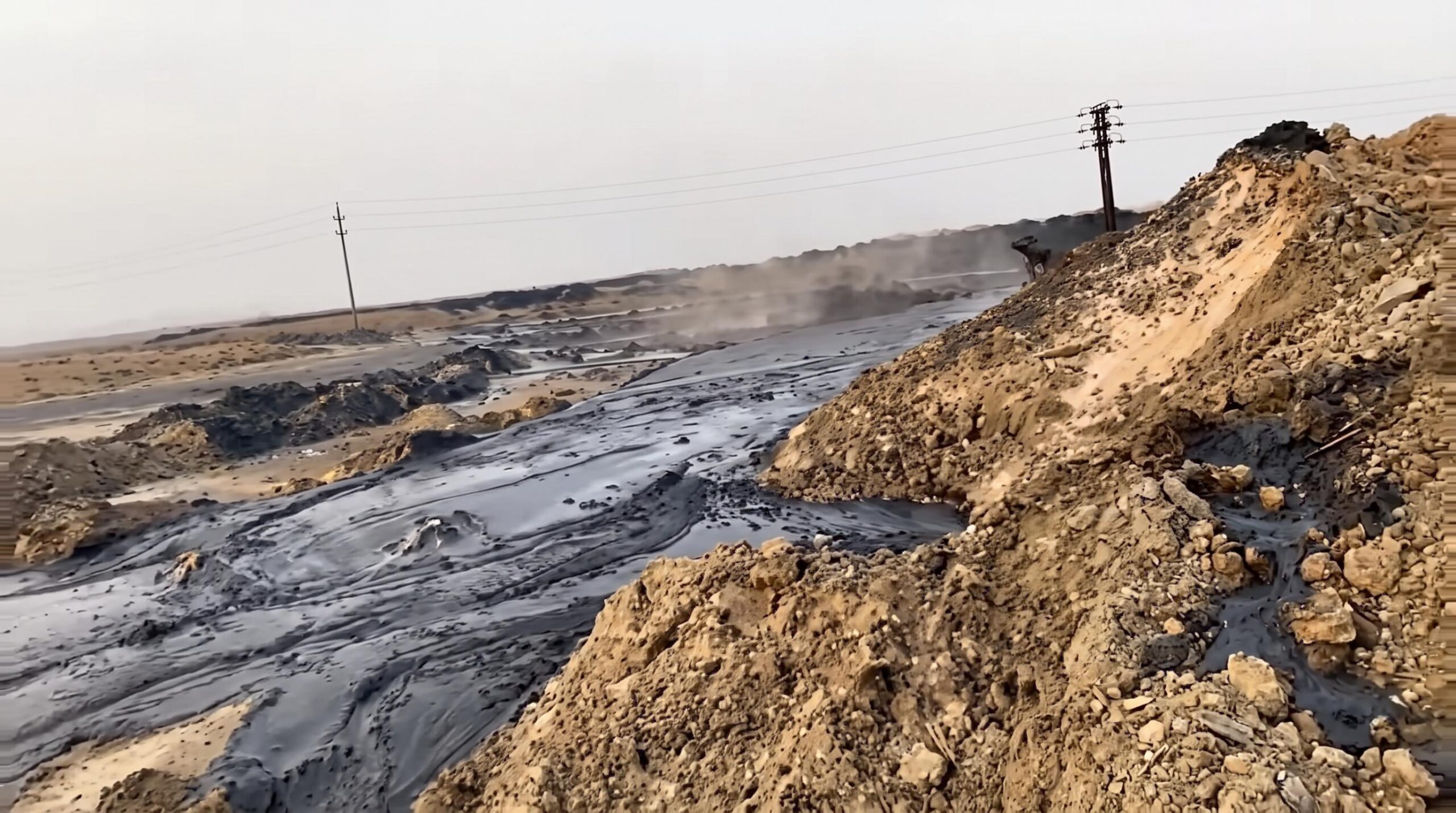
The dust has barely settled on the European Union’s historic economic mission to Benin, but the debate is already intensifying. As officials from Brussels and Cotonou wrap up three days of high-stakes negotiations, industry leaders and policymakers are weighing what the deal’s immediate fallout—and long-term future—might look like for West Africa’s fastest-growing economies.
From political statements to practical commitments: what the mission accomplished
Cotonou’s bustling port district served as the unlikely backdrop for what observers are calling a turning point in Benin’s economic diplomacy. The EU’s first-ever trade mission to Benin wasn’t just symbolic; it brought over 50 European investors and 200 Beninese business leaders face-to-face in a marathon of B2B sessions, sectoral roundtables, and government-to-government talks.
The numbers tell part of the story: preliminary agreements worth €180 million in agro-industrial projects were announced, alongside commitments for €95 million in renewable energy initiatives. But beyond the financial headlines, the mission shifted the conversation from promises to pipeline—with both sides emphasizing that implementation would be the real test.
A sector-by-sector breakdown of where the rubber meets the road
The agribusiness pivot: turning Benin into West Africa’s next food basket
Agro-industry took center stage, with European investors focusing on three high-potential areas: cashew processing, maize value chains, and organic cotton production. Beninese officials touted the mission as a chance to move from raw material exports to high-value processed goods—echoing similar transitions already underway in Côte d’Ivoire and Ghana.
Yet questions linger: Can local cooperatives and European agribusinesses align on fair-trade standards? Will infrastructure bottlenecks in northern Benin derail timelines? The coming quarter will reveal whether these memoranda of understanding translate into operating factories and paying farmers.
Energy transition meets industrial ambition
The EU’s pitch to Benin wasn’t just about buying—or selling—but building. Renewable energy topped the agenda, with investors eyeing solar farms along the Atlantic coast and biomass projects tied to agricultural waste. Meanwhile, European industrial equipment manufacturers pushed solutions for Benin’s crumbling textile and food-processing plants, pitching turnkey upgrades designed to cut energy costs by 30% or more.
Critics argue that solar projects, while welcome, risk sidelining local innovation in favor of imported technology. Supporters counter that leapfrogging to green energy now could position Benin as a regional leader—provided the grid can handle the load.
Tech and logistics: the digital and physical arteries of tomorrow’s economy
In a back-to-back sprint between tech demo booths and warehouse tours, European cybersecurity firms and Beninese logistics startups explored ways to modernize Cotonou’s port operations and secure digital trade corridors. The EU floated €25 million in soft loans for port automation, while local officials floated the idea of a “Digital Silk Road” linking Benin to European e-commerce platforms.
Skeptics note that Benin’s internet penetration hovers around 42%, leaving ample room for digital divides. Proponents respond that targeted investments could turn the country into a regional logistics hub—if bureaucratic red tape doesn’t stall progress.
What comes next? Three flashpoints to watch
The politics of partnership: balancing sovereignty and cooperation
Benin’s government faced a delicate balancing act during the mission: welcoming foreign investment without ceding control over key sectors. The compromise? A framework that incentivizes joint ventures with majority local ownership—at least for the next five years. Analysts see this as a test case for how West African nations navigate China-style infrastructure diplomacy versus EU-style sustainable development pledges.
The investor reality check
Not all European firms arrived with blank checks. Smaller agribusinesses expressed frustration over what they described as “overly optimistic timelines,” while energy majors warned that currency volatility could erode projected returns. One German investor, speaking on condition of anonymity, put it bluntly: “We came for the long game, but we need predictable policies tomorrow—not just handshakes today.”
The public debate ignites
On social media and talk radio, Beninese citizens are split. Some celebrate the mission as a long-overdue step toward prosperity; others denounce it as another example of neocolonial economic overreach. Environmental groups, in particular, have criticized the focus on industrial-scale agriculture and energy projects they argue threaten biodiversity hotspots like the Pendjari National Park region.
Grassroots activists have called for a citizens’ assembly to review any agreements before they’re signed—raising the stakes for transparency in what’s promised to be a cascade of follow-up deals.
The euphoria of the three-day mission is fading. What remains is the hard work of turning handshakes into harvests—literally and figuratively.
One question lingers above the rest
For West African economies watching from the sidelines, the real significance of this mission may lie not in what was signed in Cotonou—but in whether it becomes a model for balancing foreign investment with domestic priorities. The fallout begins now.