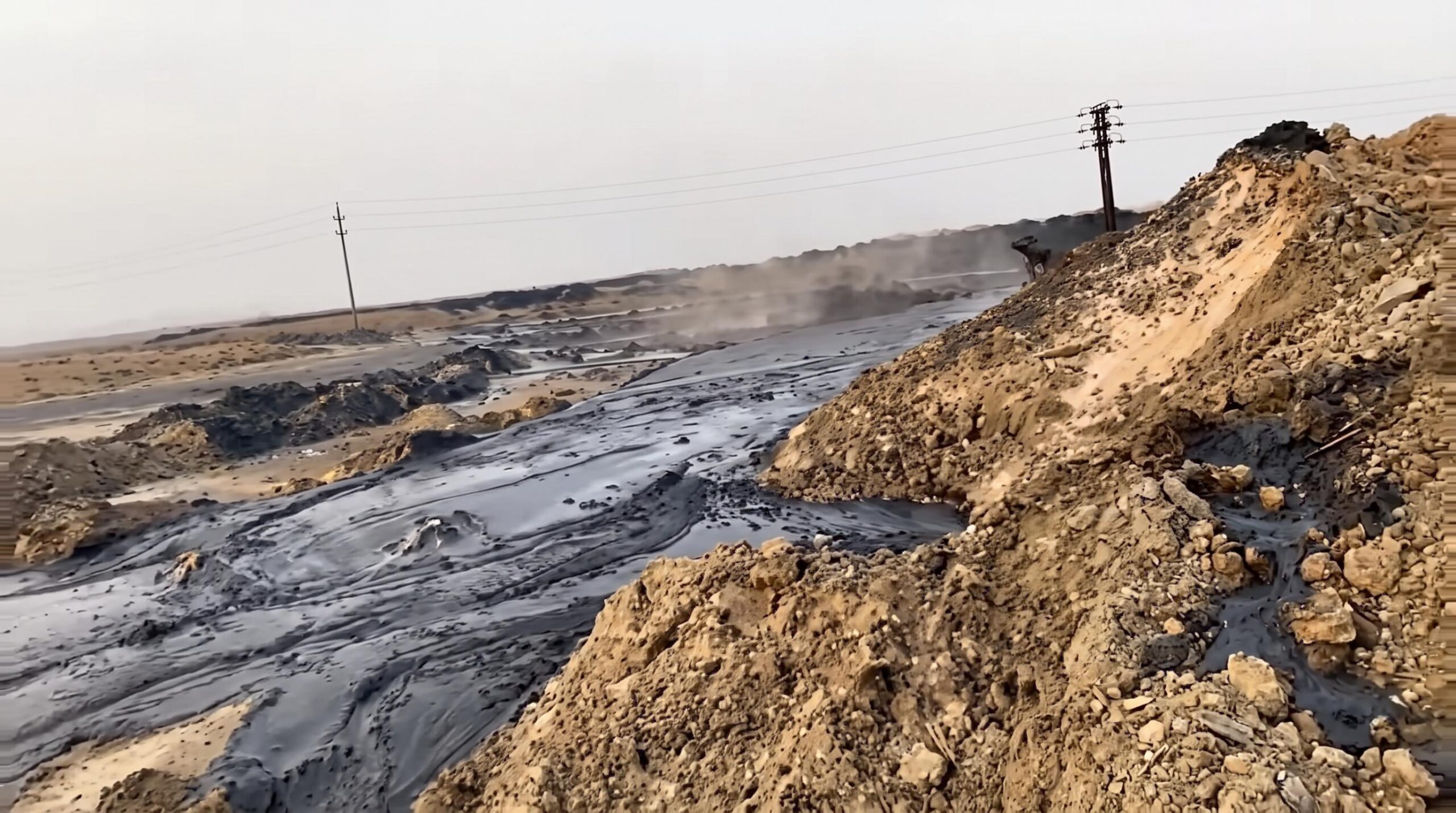
The eruption of an oil well in Niger’s Agadem basin has set off alarm bells across the country, exposing deep flaws in the government’s resource management strategy and sparking intense public debate over accountability, environmental risks, and the future of Sino-Nigerien energy ties. As authorities scramble to contain the fallout from the Goumeri W-8 blowout, questions loom over the long-term viability of Niger’s oil-driven economic model and its ability to safeguard both natural resources and citizen welfare.
An environmental crisis in a fragile Sahelian landscape
The September 25, 2026, blowout at the Goumeri W-8 well—operated by CNPC Niger Petroleum S.A.—sent plumes of crude oil and gas spewing into the air, raising immediate concerns about soil contamination, groundwater integrity, and the health of surrounding communities. While official reports confirm two injured workers and no fatalities, the incident has unearthed broader risks: hydrocarbon seepage threatens the region’s already scarce water supplies, pastoral lands, and fragile ecosystems. With the Sahel facing severe climate pressures, an unchecked spill could trigger cascading ecological and humanitarian consequences.
The Nigerien government has deployed containment teams, but lingering doubts persist about the effectiveness of these measures and their long-term impact. Independent assessments are urgently needed to evaluate soil and groundwater damage, yet transparency has remained limited in the weeks since the disaster.
Who bears responsibility? The murky waters of accountability
A spill of this magnitude demands more than temporary fixes—it requires a thorough investigation into the causes of the blowout, the adequacy of safety protocols, and whether negligence played a role. Authorities have pledged to conduct inquiries, but the public’s trust hinges on full disclosure of findings, including potential liabilities for CNPC and any contractors involved. Without clear evidence and reparations mechanisms, the incident risks becoming yet another example of corporate impunity in Niger’s extractive sector.
Critics argue that the current response lacks urgency in addressing the root causes of such failures. ‘Containment is only half the battle,’ noted a local environmental advocate. ‘What we need is a commitment to prevent future disasters—not just clean them up when they happen.’
China’s role in Niger’s oil ambitions under the spotlight
The Agadem basin’s oil fields are the cornerstone of a strategic partnership with China, where the China National Petroleum Corporation (CNPC) holds primary operating rights. This collaboration, framed as a pathway to economic sovereignty, has however drawn criticism over opaque financial arrangements, environmental standards, and profit-sharing terms. A 2024 $400 million financing deal tied to crude exports further underscored the high stakes for both countries—yet key contract details remain undisclosed.
The disaster has intensified scrutiny of this alliance. With Niamey increasingly vocal about reclaiming control over its resources, tensions over revenue distribution and operational oversight have escalated. Recent diplomatic frictions, including the 2025 expulsion of Chinese oil officials, signal deeper strains in the relationship. Now, the Goumeri W-8 blowout tests whether environmental safeguards or political posturing will take precedence in the partnership’s future.
Sovereignty vs. sustainability: Can the junta deliver?
The Nigerien military junta has positioned economic sovereignty as a central pillar of its legitimacy. Yet the Agadem crisis challenges this narrative: how can a state claim resource independence when foreign operators control critical infrastructure, and when domestic oversight appears chronically weak? The blowout exposes the gap between rhetoric and reality—a gap that could erode public confidence in the junta’s ability to balance growth with environmental protection.
For sovereignty to be more than a slogan, three actions are essential: first, publish unredacted investigation reports on the incident; second, establish transparent compensation schemes for affected communities; third, enforce stricter environmental audits for all oil operators. Failure to act decisively risks turning Niger’s oil riches from an economic lifeline into a source of irreversible damage.
What’s next for Niger’s oil sector—and its people?
The coming months will determine whether the Agadem spill becomes a turning point for Niger’s oil industry or another cautionary tale. Will the government prioritize environmental safeguards, or succumb to the pressures of short-term profit? Will CNPC face consequences for its role in the incident, or will diplomatic considerations shield it from scrutiny? And most critically, will the communities living in the shadow of Niger’s oil fields finally have a voice in decisions that shape their lives?
The answers to these questions will define not just the fate of Agadem’s oil infrastructure, but the credibility of Niger’s leadership in an era where resource governance could make or break its stability. One thing is clear: the world is watching.