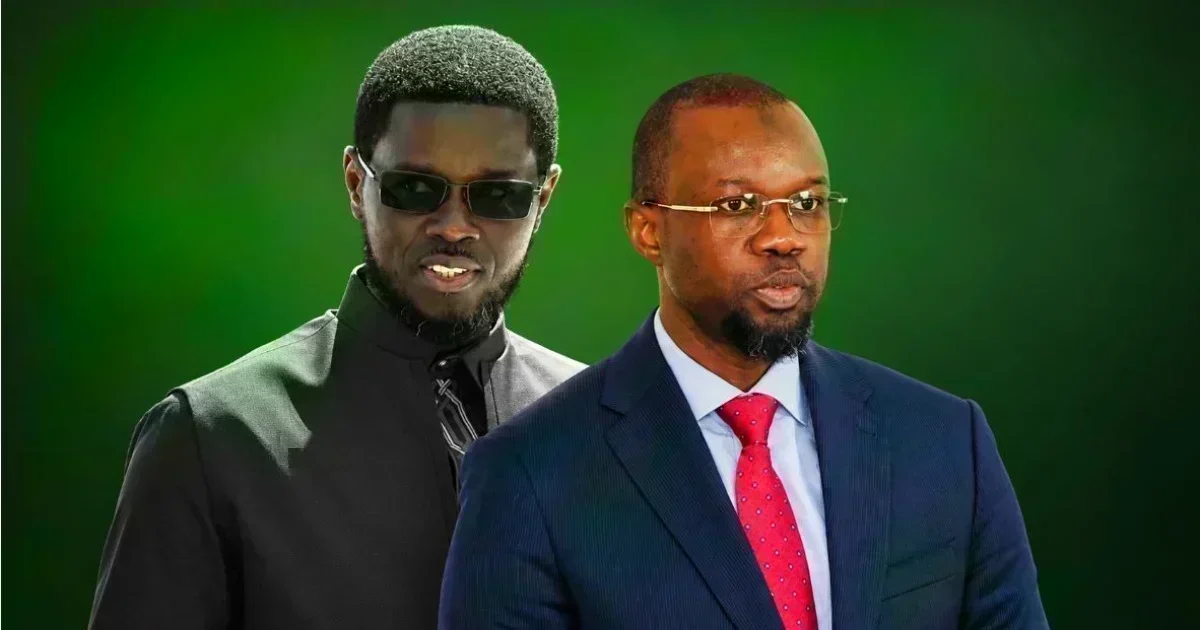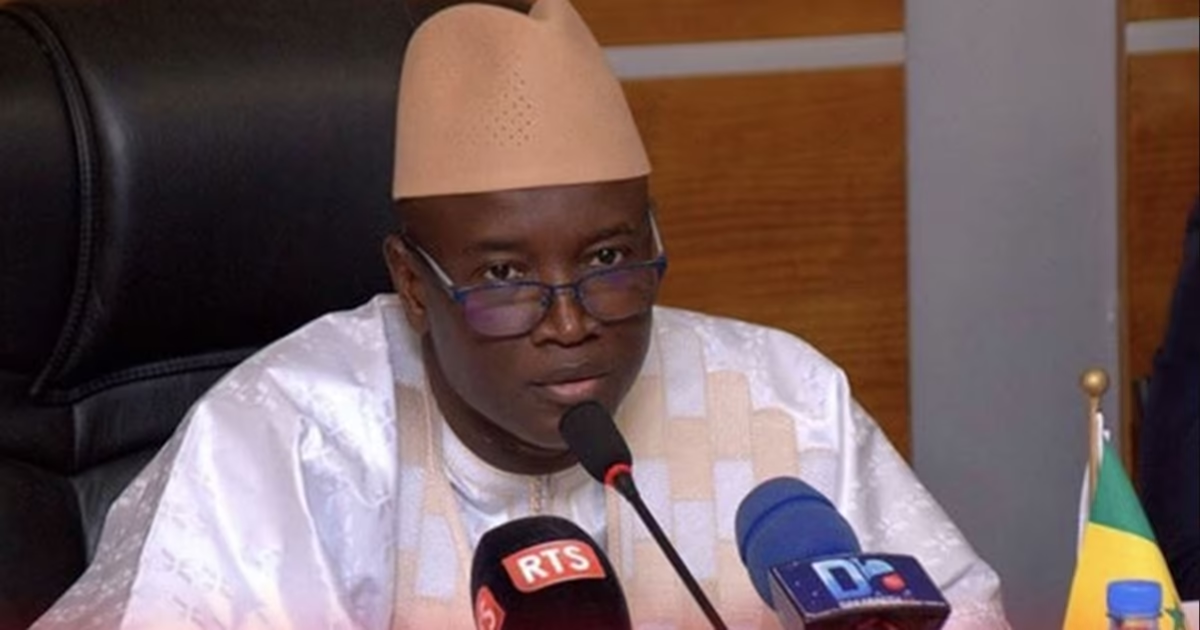
The former Senegalese Interior Minister, Aly Ngouille Ndiaye, has reignited discussions about the special funds allocated to top state officials. Before addressing presidential allocations, he insists that Ousmane Sonko must first justify his use of resources during his tenure as head of government.
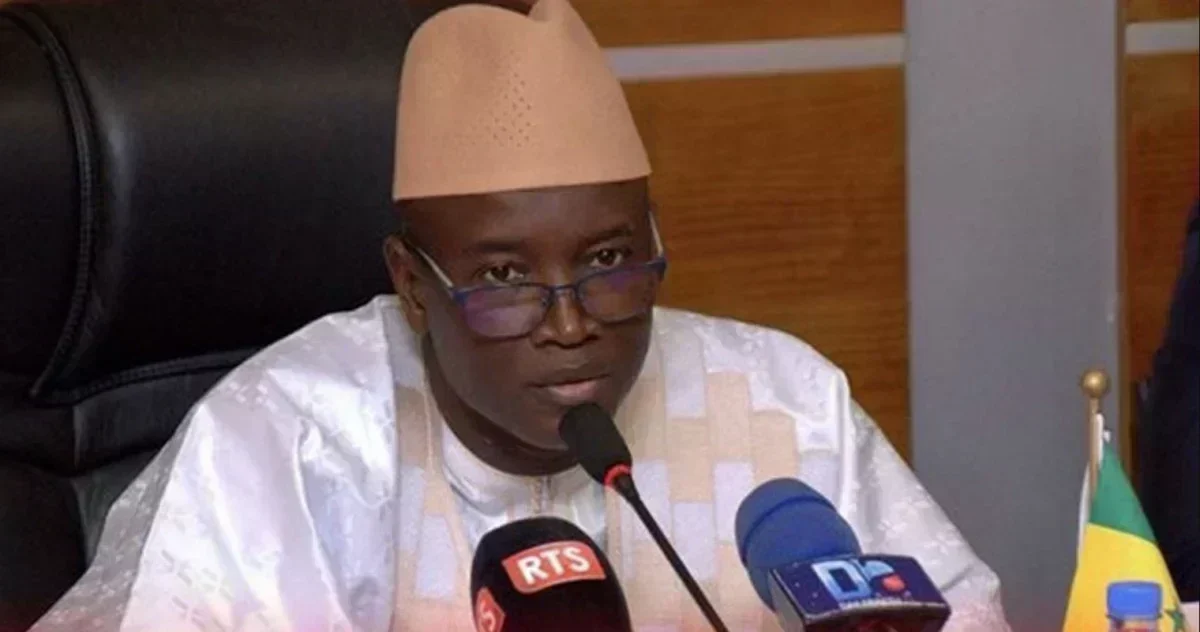
Ngouille Ndiaye highlighted that the political funds allocated to Ousmane Sonko, totaling 1.7 billion CFA francs, were reportedly exhausted before he requested additional budgetary support. This raises serious questions about the transparency of these expenditures.
Ousmane Sonko’s unprecedented political funds
According to Ngouille Ndiaye, Ousmane Sonko is the first Senegalese Prime Minister to have received dedicated political funds as part of his official allocation. He notes that most former Prime Ministers are still alive—except for Boun Abdallah Dionne—and insists that none of them, including Dionne or Amadou Bâ, ever benefited from such an envelope. He adds that Sidiki Kaba, who succeeded Sonko as Prime Minister, served for too brief a period for the issue to arise in his case.
The ambiguity surrounding the 1.7 billion CFA francs
The former minister revisits the frequently cited figure of 1.7 billion CFA francs, which Ousmane Sonko has mentioned without clarifying whether it represents a quarterly or annual amount. Ngouille Ndiaye points out that if this allocation is indeed quarterly, the annual total would reach around 8 billion CFA francs.
He also echoes previous statements from Abdourahmane Diouf, asserting that the 1.7 billion CFA francs envelope was fully spent before Sonko requested additional funds. For Ngouille Ndiaye, the fact that Sonko’s successor found no remaining funds confirms that the first quarter’s allocation had been entirely depleted—a factual observation he presents without accusation.
Aly Ngouille Ndiaye concludes by emphasizing that, for the sake of coherence and transparency, Ousmane Sonko should have included his management of these special funds within the scope of the investigative commissions he himself established. He hints at possessing further undisclosed information on the matter but refrains from revealing it publicly at this stage.