
As Senegal prepares for its next presidential election scheduled for January 2027, growing questions surround potential delays. Speculation has intensified following recent political developments involving President Bassirou Diomaye Faye and his administration’s evolving approach to governance. Observers are closely monitoring signals that could indicate whether the electoral timeline will remain unchanged or face adjustments.
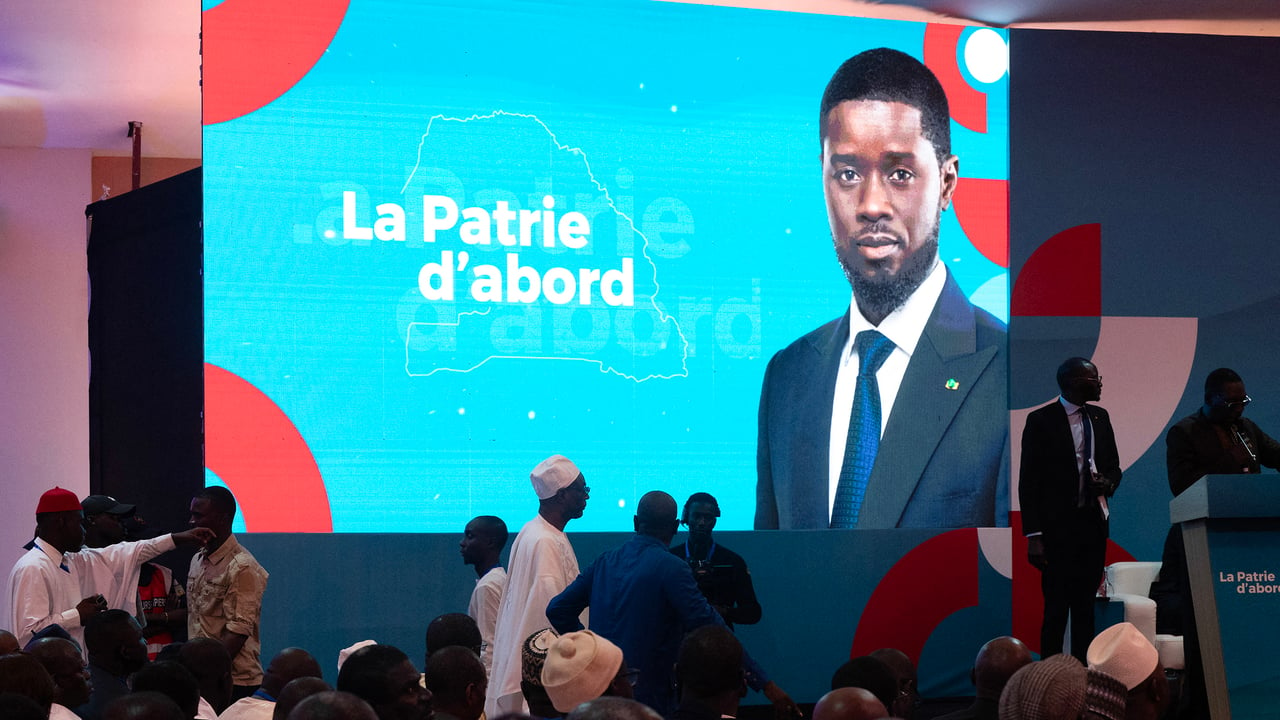
The debate gained momentum after the formation of Kiiraay – Les Patriotes républicains, President Faye’s newly established party launched in late July 2026. The event, held at Dakar’s Roi Fahd Palace, drew significant attention, with many questioning its implications for the country’s political landscape and upcoming elections. The party’s creation has fueled discussions about the administration’s strategy and its potential impact on the electoral process.
Signs of a potential postponement
Several factors have contributed to the growing speculation about a possible election delay. Political analysts point to legislative changes, administrative reforms, and shifting priorities within the government as possible indicators. While no official announcement has been made, the timing of these developments has raised eyebrows among citizens and political observers alike.
The government has emphasized its commitment to transparency and adherence to constitutional timelines. However, critics argue that recent actions—such as delays in appointing key electoral officials or revising electoral laws—could signal an attempt to extend the current administration’s mandate. These concerns are particularly pronounced given Senegal’s history of stable democratic transitions and the expectations placed on its electoral institutions.
Public reaction and political climate
The growing uncertainty has sparked mixed reactions across Senegal. Supporters of President Faye highlight his administration’s efforts to address pressing national issues, including economic challenges and social reforms. They argue that any adjustments to the electoral calendar would be justified by the need for stability and continued progress. Meanwhile, opposition figures and civil society groups have expressed skepticism, warning against any moves that could undermine democratic principles.
Public sentiment remains divided, with some citizens expressing confidence in the government’s intentions while others demand clarity and reassurance. The debate has underscored the importance of open dialogue and institutional transparency as Senegal navigates this critical period in its political journey.
What’s next for Senegal’s elections
As the nation awaits further clarification, all eyes are on the government’s next steps. Will President Faye’s administration uphold the January 2027 election date, or will political calculations lead to a postponement? The coming weeks are expected to bring crucial insights into these questions, shaping the trajectory of Senegal’s democracy and its role in the broader West African region.
For now, stakeholders from across the political spectrum are calling for patience and adherence to legal frameworks. The outcome of this deliberation will not only determine Senegal’s immediate political future but also serve as a testament to its enduring democratic values.