Behind Mali’s dual strategy: Goïta’s hidden balancing act between force and unity
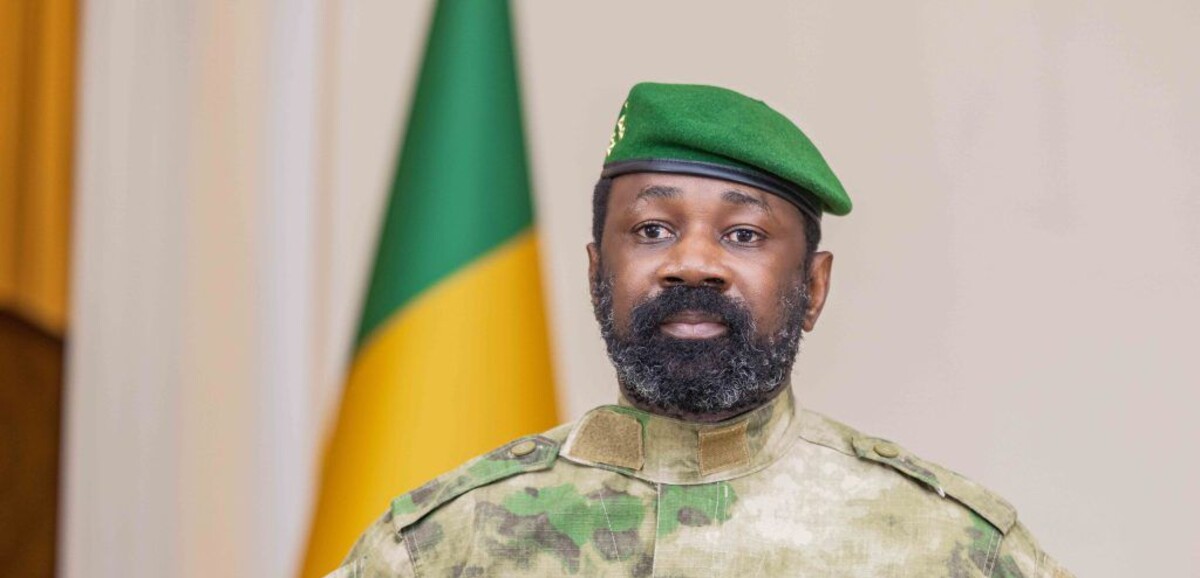
In a nation scarred by relentless jihadist violence, Malian leader Assimi Goïta delivered a paradoxical Independence Day address on September 21: a call for national reconciliation paired with a vow to intensify military operations. This rare dual message reveals more than surface-level policy—it exposes the delicate calculus behind Bamako’s strategy to reclaim stability.
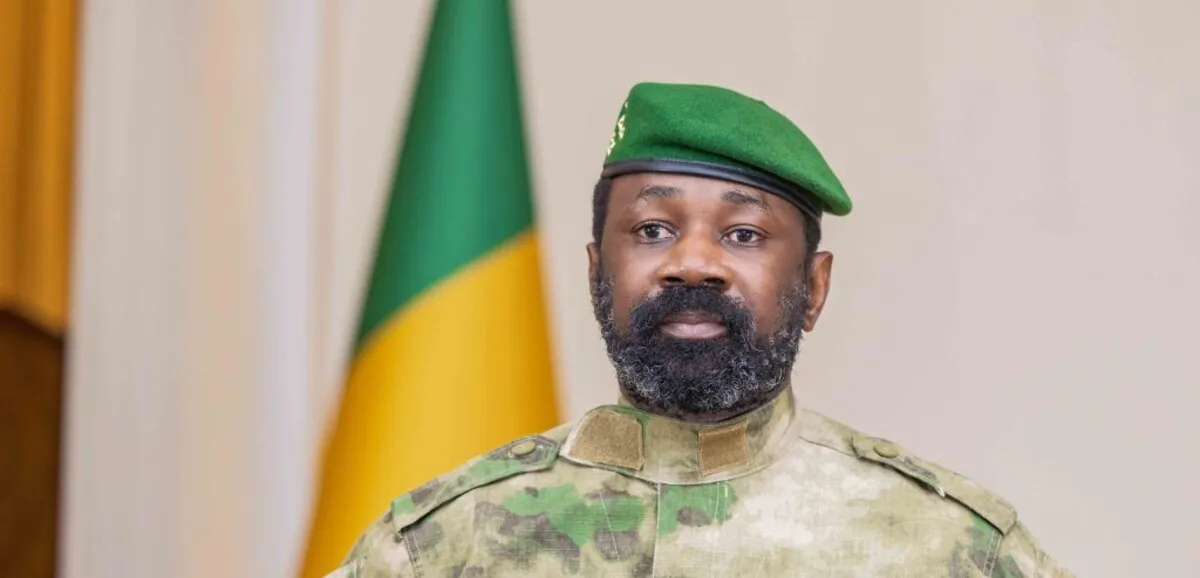
The untold arithmetic of Goïta’s dual approach
Goïta’s speech framed two seemingly contradictory priorities as complementary: unity through dialogue and security through force. Behind closed doors, diplomats and analysts interpret this as a high-stakes gamble to address Mali’s most pressing paradox—how to simultaneously confront armed groups while preventing societal fracture.
His words carried weight beyond ceremonial rhetoric: “Our unwavering commitment to territorial integrity and national unity remains unshaken, even as we extend an open hand to our fellow Malians.” This phrasing suggests an acknowledgment of a critical vulnerability—the erosion of trust between the state and its people—in regions where jihadists exploit local grievances.
What the Dioura massacre revealed about military fragility
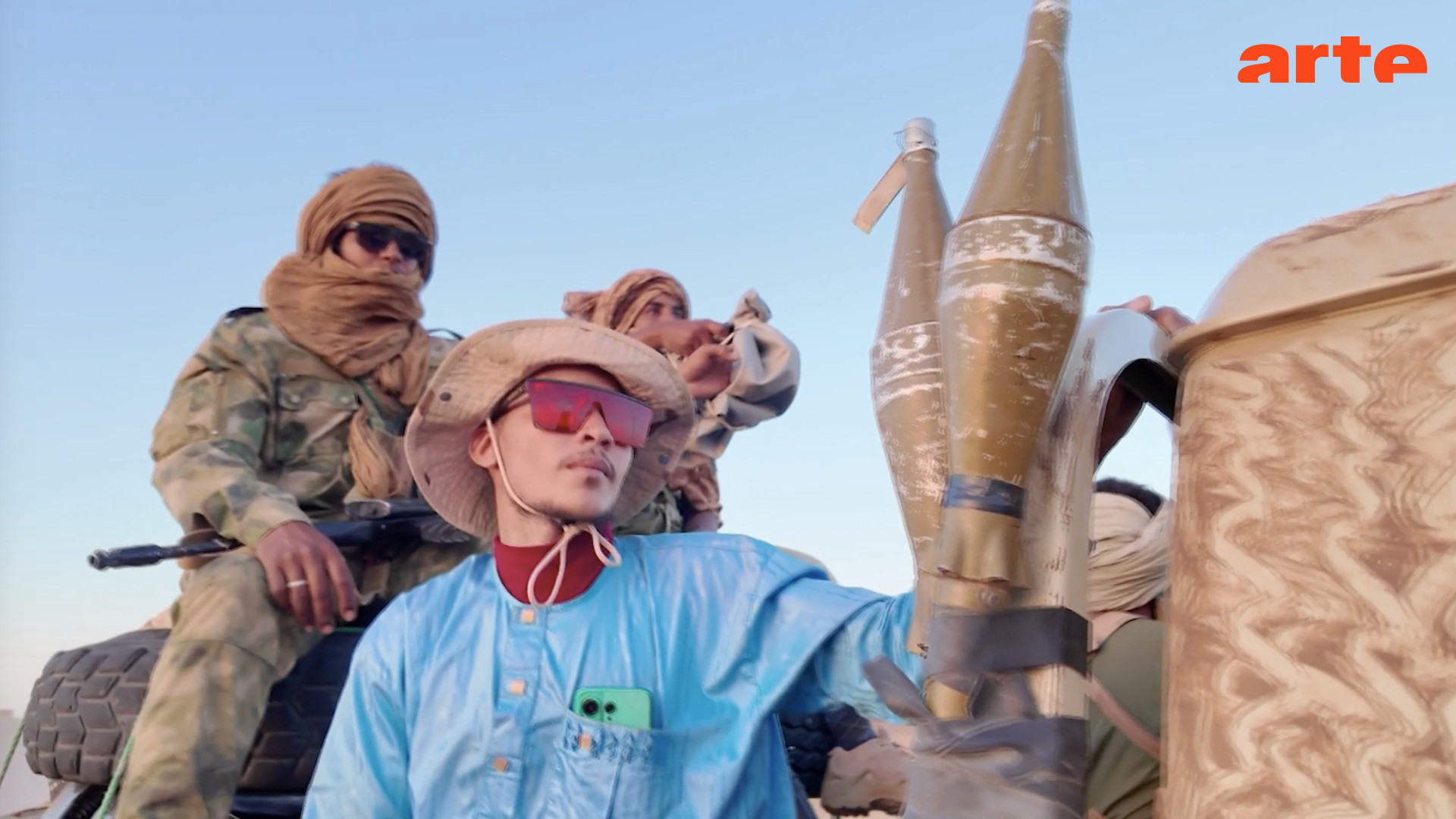
The president’s vow to escalate anti-terror operations followed one of Mali’s deadliest attacks in recent memory. On September 10, more than 100 soldiers were killed in an ambush on the Dioura military camp, attributed to the Group for Support of Islam and Muslims (JNIM), an Al-Qaeda affiliate. The assault exposed systemic weaknesses: supply chain vulnerabilities, intelligence gaps, and the strain on a military stretched thin by years of conflict.
For Goïta’s regime, the Dioura attack was more than a tactical setback—it was a strategic wake-up call. The loss of personnel and equipment in a single strike forced Bamako to confront a harsh reality: traditional counter-terrorism alone cannot stabilize a fractured nation.
Russia’s rising shadow over Mali’s security calculus
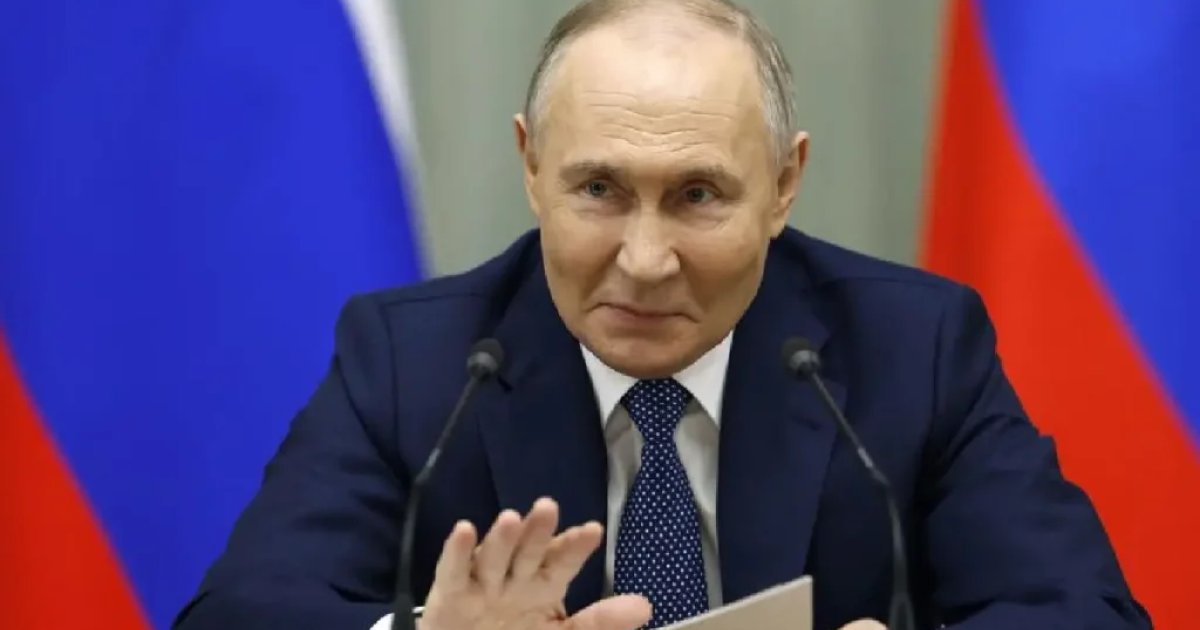
In his address, Goïta singled out Mali’s pivot toward Moscow as a cornerstone of the new security architecture. Since France’s withdrawal in 2022, Bamako has deepened ties with Russia, relying on Wagner Group-affiliated forces for training and combat support. This partnership, while controversial, has reshaped Mali’s operational capacity—particularly in countering asymmetric threats.
The Kremlin’s involvement introduces a geopolitical layer to Goïta’s strategy. By leveraging Russian military expertise, Bamako aims to decentralize its security partners and reduce dependence on Western support—a move that aligns with the junta’s broader push for sovereign control over its defense.
From bullets to ballots: the fragile bridge to reconciliation
Yet Goïta’s emphasis on national reconciliation signals an understanding that military solutions have limits. His call for dialogue—framed as a gesture toward “brothers” rather than adversaries—targets the underlying grievances fueling extremist recruitment. In regions like Mopti and Ségou, where jihadist groups manipulate tribal tensions, Bamako’s outreach aims to peel away disaffected communities from armed factions.
But the path to reconciliation is fraught with skepticism. Decades of unfulfilled promises, intercommunal violence, and the junta’s authoritarian leanings have eroded faith in state-led peace initiatives. For Goïta, the challenge is twofold: to restore security without alienating the very populations most at risk from extremist violence.
What comes next for Mali’s fragile equilibrium
Goïta’s Independence Day address was less a policy announcement than a strategic recalibration. By pairing force with outreach, he signals a recognition that Mali’s survival depends on balancing two conflicting imperatives: crushing armed groups while stitching together a torn social fabric.
For the international community, the question is whether this dual approach can outpace the jihadists’ momentum. For Mali’s citizens, the stakes are existential: will Bamako’s strategy of “fire and olive branch” translate into tangible peace, or will it deepen the cycle of violence?
Key takeaways from Goïta’s address
- Military escalation: A pledge to strengthen anti-terror operations in response to recent jihadist gains, including the Dioura attack.
- National unity: A symbolic but deliberate call for dialogue with “brothers”, targeting communities exploited by extremists.
- Shifting alliances: Reinforced cooperation with Russia as Bamako seeks to diversify its security partnerships.
- Uncertain path: The strategy’s success hinges on whether force and outreach can coexist—or if one will undermine the other.