In the aftermath of RC Strasbourg’s tense 5th-day match at Jean-Bouin, the buzz surrounding Liam Rosenior’s mid-season departure to Chelsea hasn’t faded—it’s only gotten louder. The club’s ownership dynamics with BlueCo are now under scrutiny, revealing a deeper divide between management decisions and supporter expectations. At the heart of the controversy lies a question of loyalty: when a manager jumps from one BlueCo-owned club to another, who really pays the price?
Behind the scenes: how ownership structure fueled the Rosenior storm
The anger coursing through the stands wasn’t just about the timing of Rosenior’s exit in January—it was about the destination. As one analyst put it, “The issue isn’t that he left; it’s that he left for another BlueCo club, Chelsea, right when Strasbourg was performing well in the Conference League and pushing for European glory.” That double allegiance stung, especially when coupled with the simultaneous recall of Mamadou Sarr from loan by Chelsea upon Rosenior’s arrival. “Losing a core defender mid-season because the same ownership group prioritized Chelsea’s needs? That’s not just a setback—it’s a betrayal of the club’s identity,” a panelist noted.
Would the outrage have been the same if Rosenior had joined a rival like Marseille or Lyon? Analysts agree it wouldn’t. “Strasbourg supporters understand ambition, but they draw a line when it comes to having their own resources siphoned off to strengthen another team in the same ownership portfolio.” The message is clear: under BlueCo, Strasbourg isn’t just a club—it’s an asset in a larger corporate strategy, and when choices conflict, the fans feel abandoned.
From the pitch to the stands: when frustration crosses the line
The intensity of the fans’ reaction at Jean-Bouin reflected more than just disappointment—it highlighted a breach of trust. During the match, Rosenior faced relentless verbal abuse, escalating to personal insults targeting his family. While taunting is part of football culture, crossing into attacks on one’s mother is universally condemned. “You can joke, you can push the limits, but attacking someone’s family is beyond the pale,” a commentator emphasized. “That said, Rosenior’s post-match response, though understandable from a human standpoint, lacked the professionalism expected from a manager in his position.”
Another voice on the panel echoed the sentiment, acknowledging the supporters’ frustrations but questioning the two-hour barrage of abuse. “There’s empathy for their pain, but there’s also a line where emotion turns into toxicity. After leaving a club mid-season, walking away with dignity would have spared everyone this backlash.”
The January press conference: a misstep wrapped in ambition
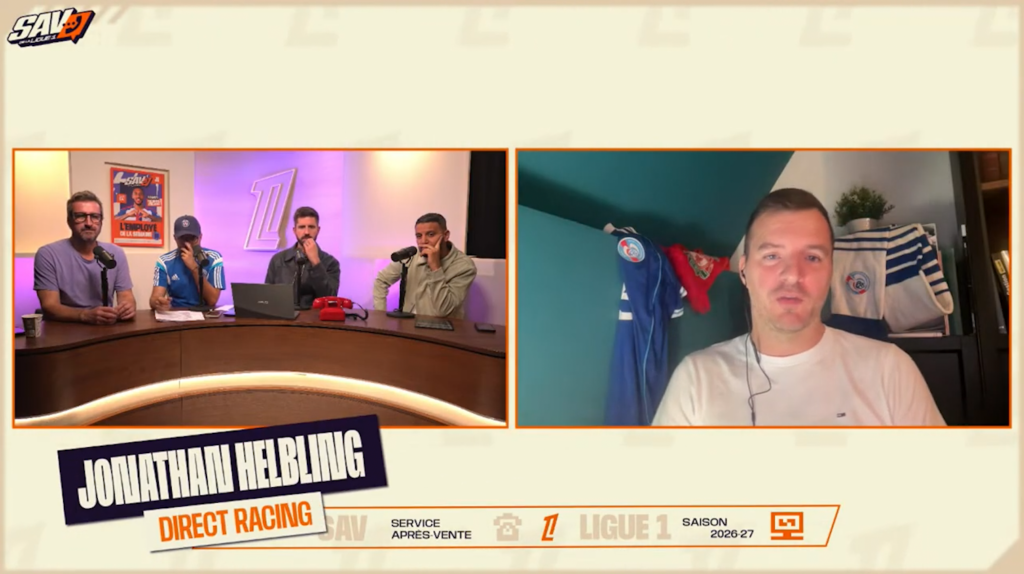
The way Rosenior announced his move in January only deepened the divide. What was meant to be a formal farewell turned into an unscripted Q&A session, devoid of the preparation such a moment demands. “There’s no excuse for announcing a press conference and winging it after five minutes. A coach leaving a club shouldn’t treat the occasion like an afterthought,” remarked Jonathan Helbling, who covered the event.
The most jarring takeaway? Rosenior’s suggestion that supporters should feel proud their manager was heading to Chelsea. While some defended it as a bold statement about Strasbourg’s appeal, others saw it as tone-deaf in the context of a club still fighting for European survival. “It wasn’t strategic—it was poorly timed and poorly delivered,” Helbling concluded. Whether it was a communication blunder or a disregard for club pride, the damage was done.
Strasbourg’s season: a tale of two halves
Rosenior’s exit came as Strasbourg sat 8th in Ligue 1 with seven points before the winter break. His departure coincided with a dip in form, including a heavy loss to Paris FC. The team’s identity, built on resilience and European ambitions, suddenly felt fractured. “You don’t just lose a manager—you lose momentum, confidence, and a sense of direction,” a panelist observed. “When the head of the ship changes course mid-voyage, the crew doesn’t just drift—they question whether they’re even on the right ship.”
As the season wore on, the residual effects of Rosenior’s departure became undeniable. The loss of Sarr, a defensive pillar, further exposed the fragility of a squad built for European competition. The question now on everyone’s lips: can Strasbourg rebuild its identity under new leadership, or will the Rosenior saga leave a permanent scar on its culture?



More Stories
Mali’s Wagner successor Africa Corps drains $850M from fragile budget amid shifting power dynamics
Behind the Molodo ambush: how Mali’s junta’s Russian gamble unraveled
Russia’s 2026 parliamentary vote: a landslide masked by a locked political arena