Why Senegal’s president is keeping the dissolution card on the table against Sonko
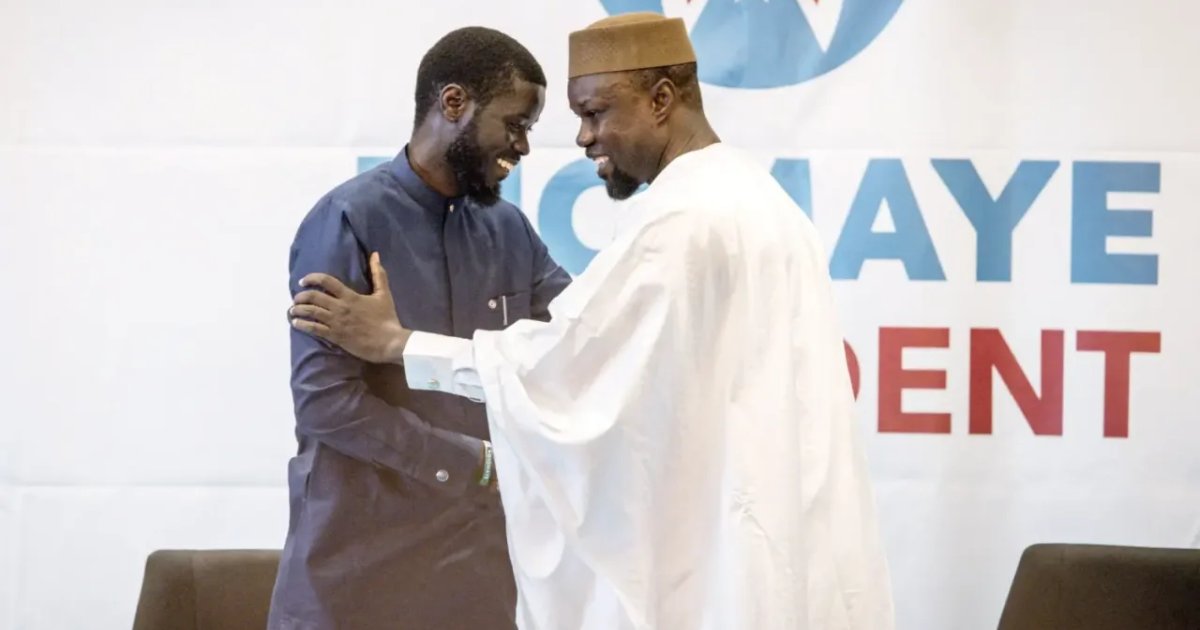
In a rare display of political candor during his New York visit, Bassirou Diomaye Faye has openly acknowledged the widening rift with his former ally, Ousmane Sonko — while deliberately leaving the door ajar for dissolving Senegal’s parliament. The Gambian-born president’s measured but firm response to reporters suggests a strategic calculation in how he chooses to wield the constitutional power at his disposal.
The constitutional lever: when and why Faye would pull it
When pressed on whether he would dissolve the National Assembly — now led by Sonko after a dramatic political split — Faye responded with constitutional precision: “Why exclude a prerogative granted by the Constitution?” His wording was not a promise, but a strategic non-denial. “It all depends on necessity and context,” he added. “In due course, based on what we face, we will decide.”
This statement follows a public acknowledgment of the irreparable rupture between the two leaders. Faye cited “persistent divergences on certain subjects” and admitted replacing Sonko as Prime Minister. While he stopped short of blaming the IMF negotiations for the split, the timing suggests deeper institutional friction.
Parliament as a battleground: legislative revolt and fiscal deadlock
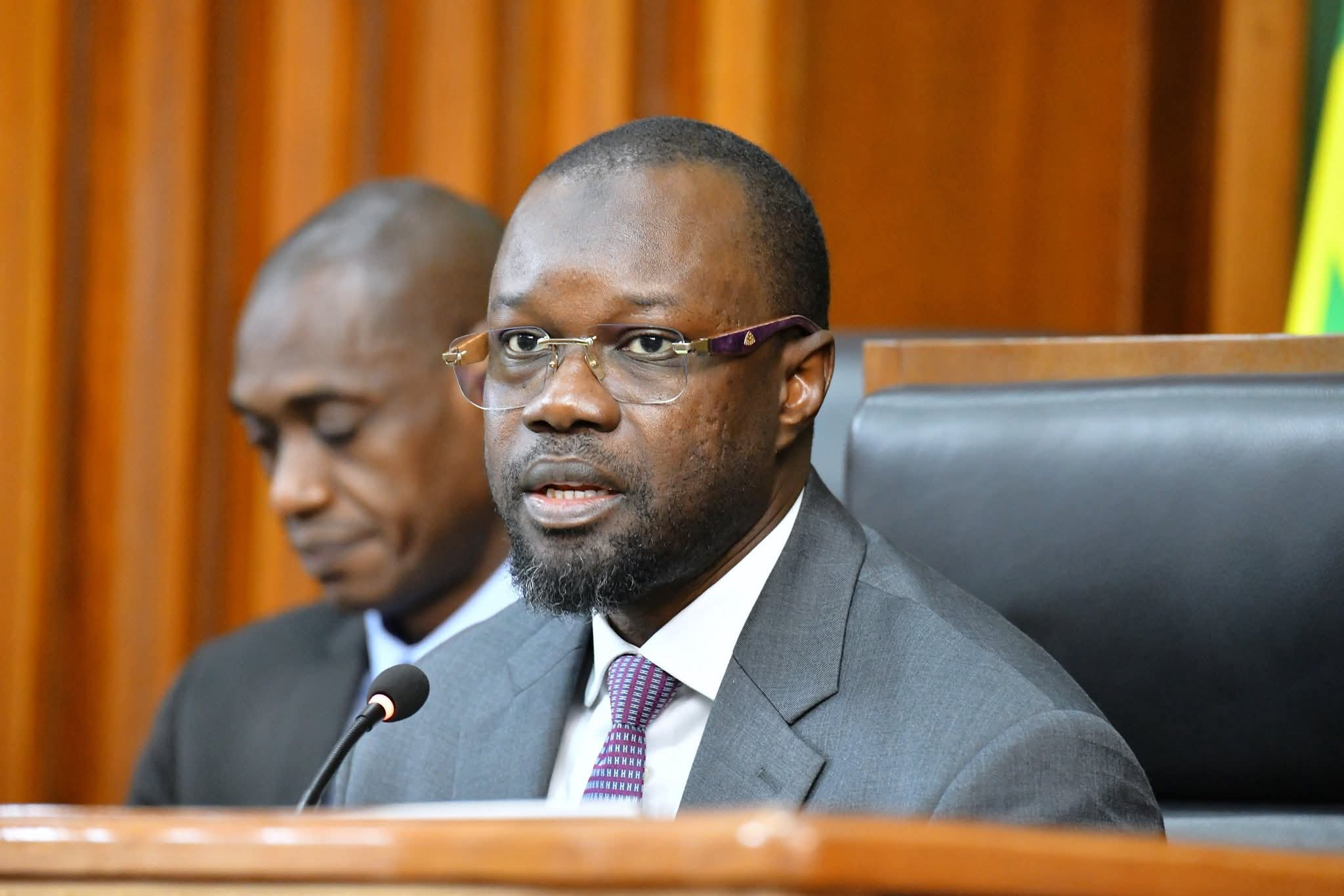
The political divide has now spilled over into the legislature. Sonko’s election as Assembly President has given him unparalleled influence over the approval of key government bills — including the upcoming rectified budget. When asked about the risk of the PASTEF bloc rejecting the financial measures, Faye responded with institutional firmness: “Each institution carries its own responsibilities, and the people will be the judges.”
His remarks reflect a calculated stance: to present himself not as an adversary, but as a leader bound by oath. “The only thing I could betray,” he declared, “is my oath to serve the nation.” Whether this will resonate with a public weary of political upheaval remains uncertain.
Macky Sall at the UN: Faye’s surprising show of solidarity
Amid the domestic storm, Faye made a diplomatic overture that caught many off guard: he reaffirmed his support for Macky Sall’s candidacy for UN Secretary-General. “The game is far from over,” Faye stated during a joint interview. He framed Sall’s bid as an opportunity to advance Africa’s voice in global finance — particularly on debt reform.
“Who better today to advocate for Africa’s rightful place than President Macky Sall?” he asked. The move highlights a paradox: while Faye distances himself from Sonko, he aligns with Sall — his predecessor and a figure whose economic policies Faye now critiques.
By invoking Sall’s experience with “the ravages of debt,” Faye subtly reshapes the narrative. He positions Sall not as a former leader whose policies led to unsustainable borrowing, but as a statesman whose firsthand knowledge could drive reform at the international level.
What this means for Senegal’s political future
The coming weeks will be decisive. The government’s rectified budget faces a hostile legislature, and Faye’s constitutional threat of dissolution looms like a shadow. Yet the real question is whether this is a bluff, a deterrent, or the opening salvo of a constitutional showdown.
One thing is clear: Faye is signaling that he will not be cowed by parliamentary obstruction. Whether this strategy strengthens his leadership or deepens the crisis depends on how lawmakers, the public, and the international community respond.