- Global security
Behind the scenes of African security: how Benin’s New York diplomacy redefines border protection
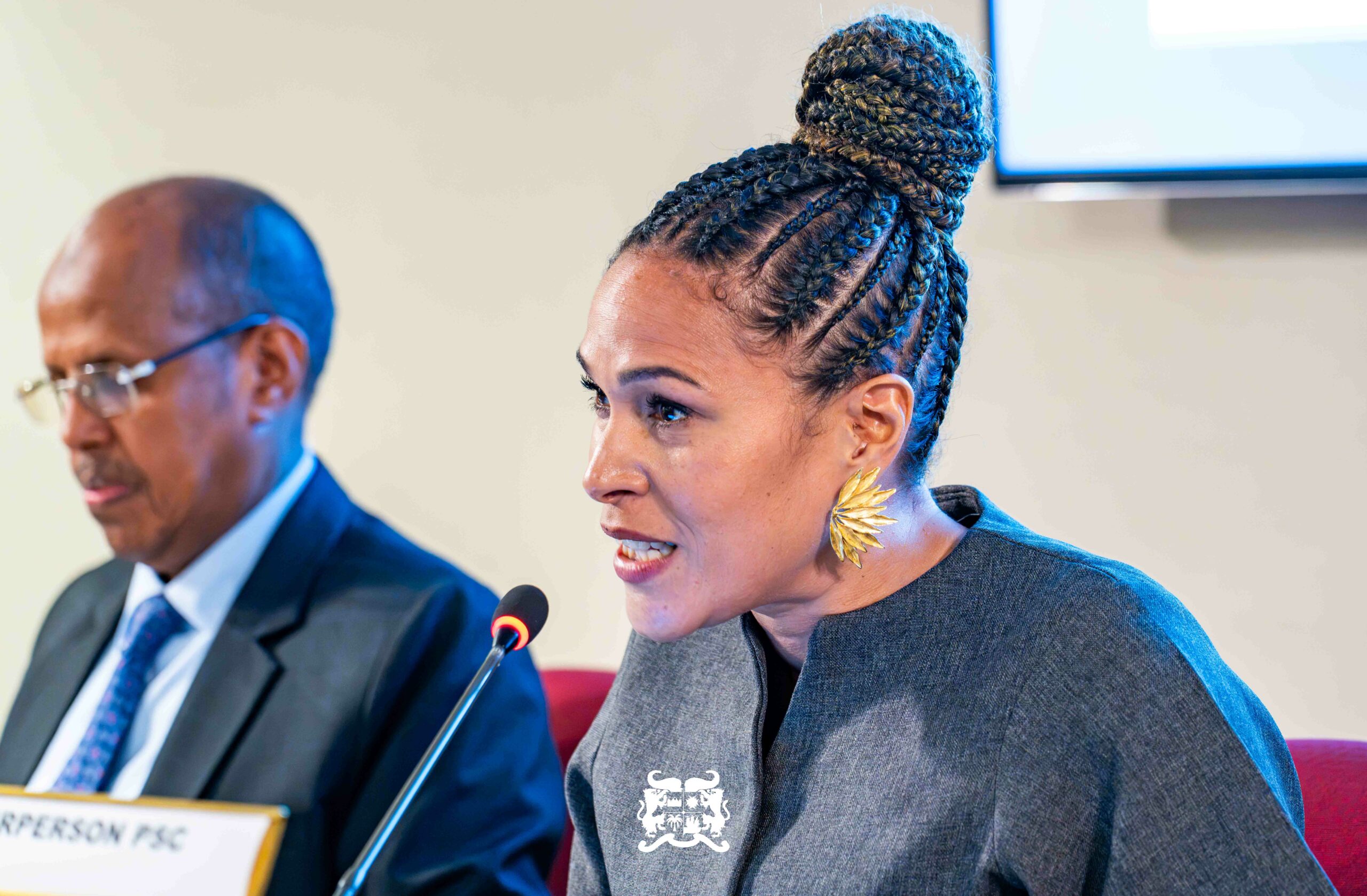
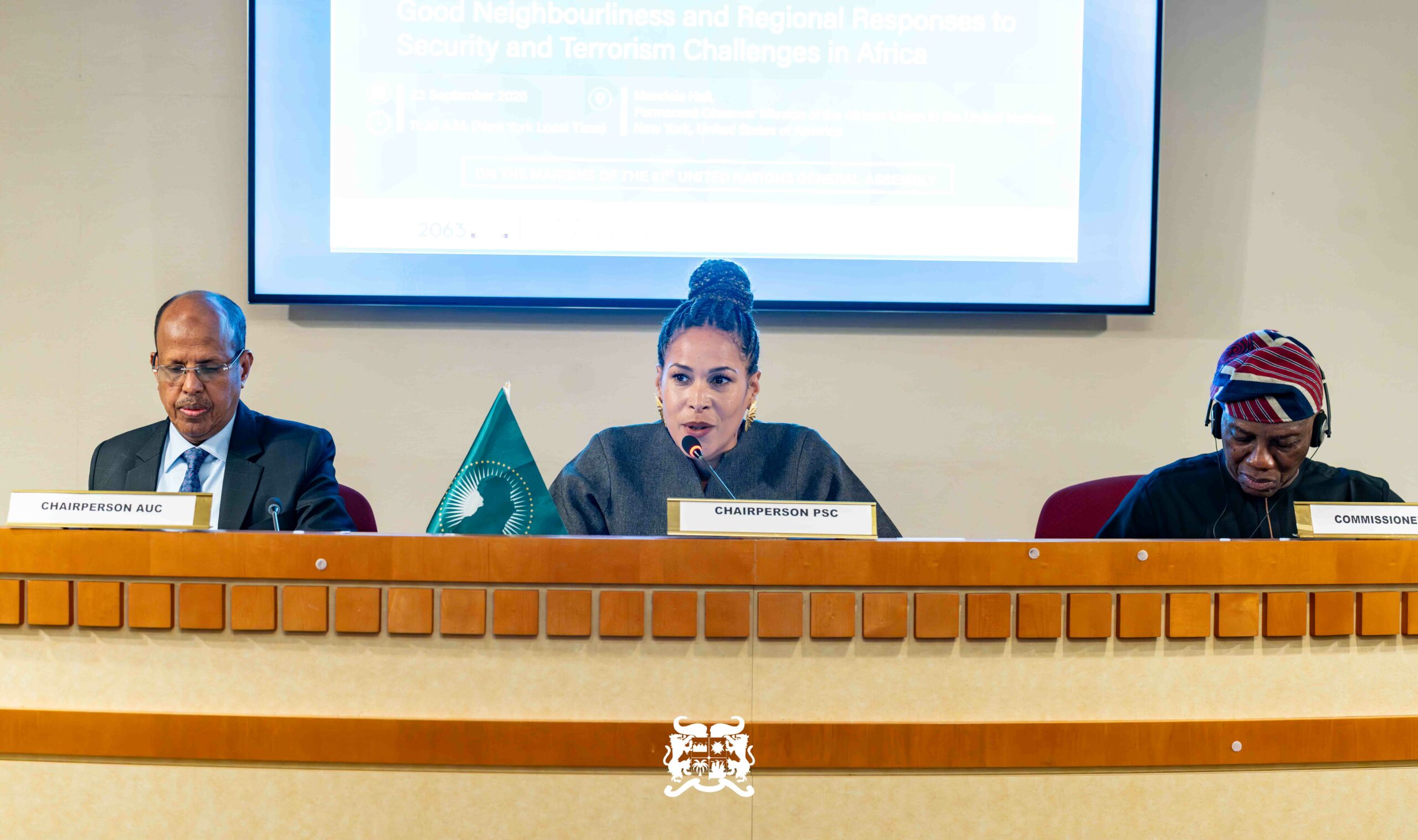
During the 81st session of the United Nations General Assembly, Benin chaired the 1,369th ministerial-level meeting of the African Union Peace and Security Council (PSC) in New York on September 23, 2026. The session, led by Foreign Minister Corinne Amori Brunet, gathered key figures including African Union Commission Chair Mahmoud Ali Youssouf and AU Commissioner for Political Affairs, Peace, and Security Bankole Adeoye.
The roots of border insecurity in Africa
The meeting focused on “Good Neighborliness and Regional Responses to Africa’s Security and Terrorism Challenges,” bringing together AU member states, regional organizations, and international partners. While borders define territories and sovereignty, Foreign Minister Brunet emphasized they also represent spaces of life, work, trade, and cultural exchange for communities. When insecurity takes root, its impact transcends national boundaries, making cross-border cooperation not just strategic but essential for survival.
Why traditional security approaches fall short
The Beninese delegation argued that conventional security frameworks often fail because they overlook the interconnected realities of border regions. Terrorism, illicit trafficking, and armed groups exploit gaps in coordination between neighboring states, highlighting the need for integrated responses rather than isolated national policies.
Benin’s diplomatic pivot: neighborliness as a security cornerstone
Under President Romuald Wadagni’s leadership, Benin has elevated good neighborliness into a cornerstone of its foreign policy. The September 2026 PSC presidency reflected this commitment by prioritizing three core pillars:
- Concrete cooperation: Strengthening state presence, rapid information sharing, and seamless collaboration between security services and judicial authorities
- Inclusivity in tense times: Maintaining cooperation channels even amid political tensions
- Territorial adaptability: Tailoring mechanisms to the specific needs of border communities
From theory to territory: empowering local voices
The PSC session spotlighted the indispensable role of border communities—particularly women—whose deep local knowledge makes them critical actors in conflict prevention and security decision-making. This aligns with Benin’s broader diplomatic thrust, exemplified by the Women, Peace and Security high-level ministerial seminar held in Cotonou earlier in September 2026.
What’s next for African security?
Benin’s UN engagements continued on September 28, 2026, when Foreign Minister Brunet addressed the UN General Assembly’s general debate. The African Union PSC presidency, with its focus on neighborhood cooperation, may signal a paradigm shift: moving from reactive security measures to proactive, community-driven solutions at the continent’s most vulnerable edges.