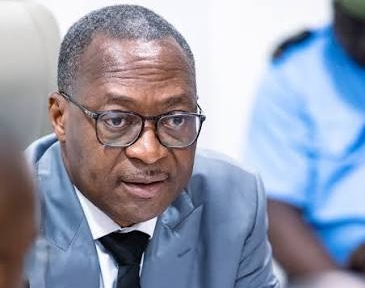
Behind closed doors in Gabon’s presidential palace, a strategic shift is underway as Libreville prepares to renegotiate its fishing ties with the European Union. With fisheries agreements under scrutiny, the government is crafting a new deal that prioritizes national sovereignty and sustainable resource management—shaping the future of Gabon’s blue economy.
The Council of Ministers, convened in Port-Gentil on September 18, 2026, greenlit the launch of negotiations for a fresh Sustainable Fisheries Partnership Agreement (SFPA) and its implementing protocol. This move follows the Gabonese government’s rejection of the existing pact—a decision that exposed deep structural imbalances in the previous arrangement.
Why Gabon walked away from the old EU fishing deal
The Gabonese authorities terminated the 2021 protocol in June 2025, which had allowed up to 33 European vessels to fish for tuna in Gabonese waters in exchange for an annual €1.6 million payment from the EU, supplemented by contributions from ship owners. Officials argued that the agreement disproportionately favored foreign interests, sidelining local economic benefits and undermining the country’s control over its maritime resources.
The decision reflected broader frustrations: Gabon had long sought to maximize the value of its fish stocks, promote local processing, and curb illegal fishing—goals poorly addressed in the pre-existing terms. By stepping away, Libreville signaled a commitment to recalibrating the partnership on fairer grounds.
From confrontation to collaboration: the EU’s strategic pivot
Following Gabon’s withdrawal, the European Union signaled readiness to engage in constructive dialogue, acknowledging the need for a “new-generation” agreement. By June 2026, Brussels had expressed openness to revising terms to align with Gabonese priorities—including stricter rules on illegal, unreported, and unregulated (IUU) fishing and greater support for sustainable aquaculture.
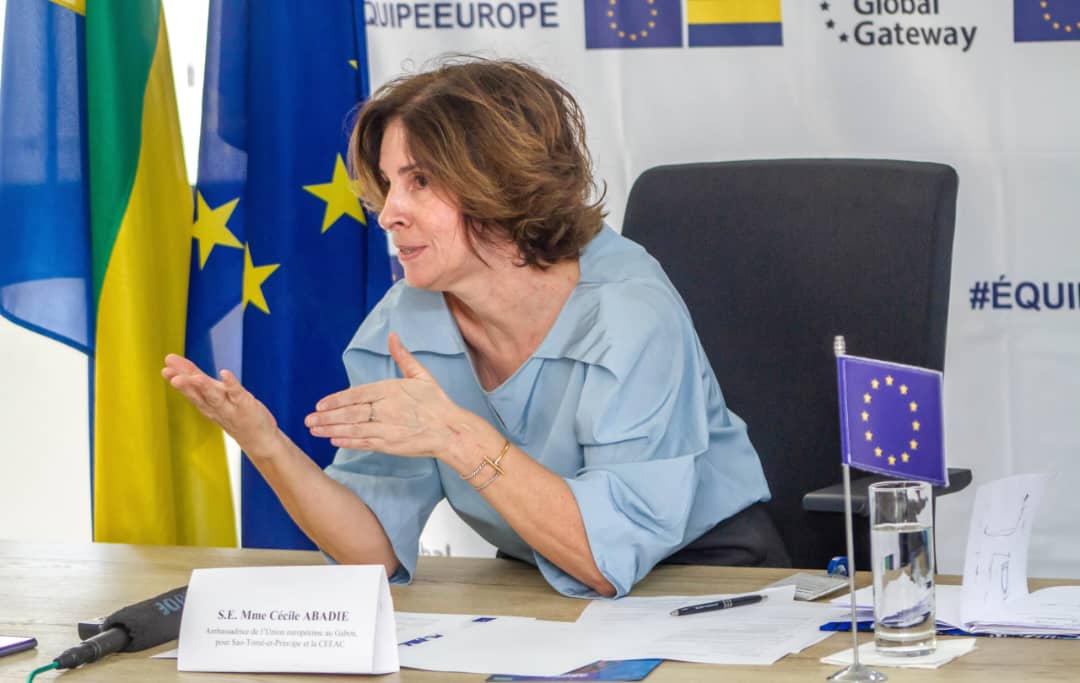
The shift underscored a broader realization in Brussels: maintaining rigid terms risked losing Gabon as a key partner. High-level exchanges, including those facilitated by EU Ambassador Cécile Abadie, emphasized dialogue over confrontation, with the ambassador stating, “We must come together swiftly and efficiently to resolve each issue on the table.”
Mixed motives: sovereignty, sustainability, and economic leverage
At the heart of the negotiations lies Gabon’s ambition to assert full control over its fisheries—a pillar of its broader “blue economy” strategy. The new agreement aims to:
- Ensure Gabonese authorities retain decision-making power over access to its waters;
- Increase local value addition through mandatory processing quotas for foreign fleets;
- Strengthen surveillance and penalties against IUU fishing to protect dwindling fish stocks;
- Leverage fisheries as a driver for job creation in coastal communities.
Minister Aimé Martial Massamba has framed these objectives as non-negotiable pillars of the upcoming pact, positioning Gabon not as a passive recipient of EU funds but as a sovereign steward of its marine wealth.
What’s next: the road to a balanced accord
The government has established a national negotiation team and set a phased calendar for discussions. Negotiators will now work toward a protocol that balances mutual benefits with Gabon’s strategic autonomy. Key milestones include:
- An initial technical round in October 2026 to align positions on sustainability and access;
- A mid-term evaluation of fish stock assessments to inform catch limits;
- A final political round in early 2027 to ratify the deal.
The stakes are high: a well-crafted agreement could transform Gabon’s fishing sector into a model of sustainable development, while failure risks leaving the country’s maritime resources—and its economic future—exposed to unregulated exploitation.
As the talks progress, one thing is clear: Gabon is no longer content with playing by the old rules. Instead, it is redefining the terms of engagement—shifting from recipient to regulator, from resource supplier to strategic partner. The outcome will ripple far beyond the negotiation table, shaping the livelihoods of Gabonese fishermen and the health of its coastal ecosystems for decades to come.



More Stories
Mali’s war of narratives: how a once-neutral news site became a megaphone for official military spin
Senegal’s palm oil revival: how Jakarta’s expertise could end a decade of stagnation
Cotonou’s hidden savings: how west African households can power local financial independence