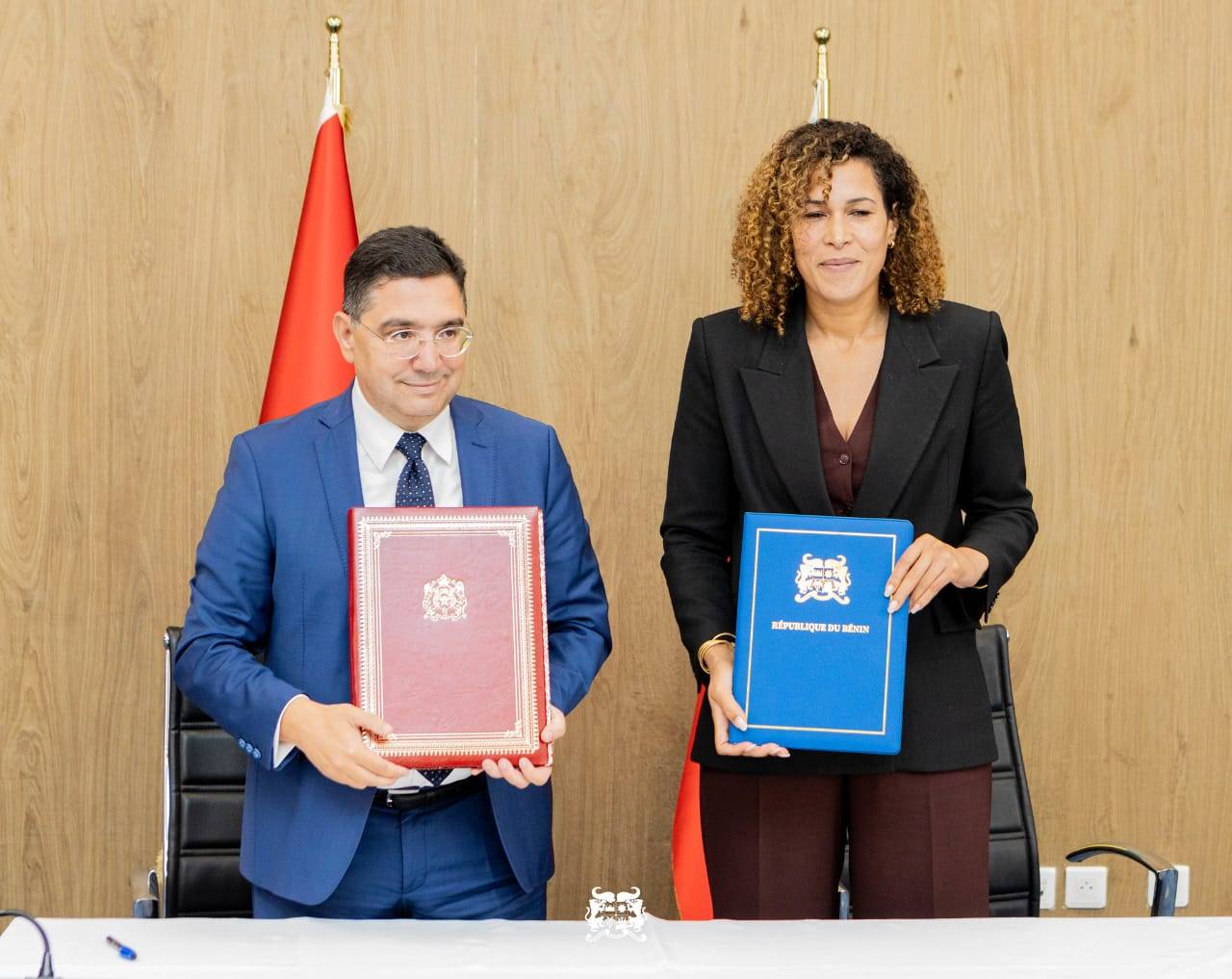
The 7th session of the Beninese-Moroccan Joint Cooperation Commission concluded in Cotonou with a landmark agreement on 14 strategic pacts, reshaping economic and diplomatic ties between the two nations. Held in the presence of high-ranking officials from both governments, the meeting underscored a shared commitment to deepening South-South collaboration, with tangible benefits for businesses, students, and communities across West Africa.
Diplomatic momentum strengthens economic ties
The gathering of ministers, economists, and policymakers in Cotonou’s economic heartland marked a pivotal moment in Benin’s international relations. Delegations led by Morocco’s Foreign Minister, Nasser Bourita, and Benin’s Minister of Higher Education, Sèdami Medegan Fagla, highlighted the maturity of bilateral relations. Discussions centered on aligning economic policies, unlocking investment flows, and fostering regional stability through coordinated action.
Morocco’s recognition of Benin’s democratic progress and economic reforms underscored the depth of this partnership. As Bourita noted, the collaboration between Rabat and Cotonou is rooted in mutual respect and a shared vision for sustainable development—an approach that resonates across the continent.
Economic cooperation takes center stage
At the core of the agreements is a bold agenda to stimulate trade, innovation, and financial integration. Benin’s Minister of Foreign Affairs, Hugues Oscar Lokossou, emphasized the transformative potential of South-South cooperation:
« By pooling our resources, expertise, and markets, we’re not just boosting trade—we’re building a blueprint for shared prosperity that puts our people first. »
The accords prioritize sectors where Morocco excels—banking, port logistics, and agri-food industries—aligning them with Benin’s ongoing economic modernization. Enhanced financial mobility, streamlined trade procedures, and joint ventures are expected to unlock new opportunities for local entrepreneurs and foreign investors alike.
14 breakthrough agreements set the stage for growth
Key areas of collaboration
- Trade and economy: Simplified customs processes, tariff reductions, and joint investment frameworks to expand market access.
- Education and innovation: Expanded scholarship programs, technical training initiatives, and research partnerships to nurture a skilled workforce.
- Security and governance: Intelligence-sharing and capacity-building in counterterrorism and maritime safety.
- Culture and society: Exchange programs in arts, sports, and religious diplomacy to deepen cultural bonds.
The breadth of these deals reflects a holistic approach to development, ensuring that economic gains are matched by social and institutional progress.
Roadmap to Rabat: From vision to execution
With the ink barely dry on the agreements, both nations are already mobilizing resources to turn words into action. Benin’s Minister of Foreign Affairs, Corinne Amori Brunet, announced plans to host follow-up meetings in Rabat, signaling a swift transition from diplomacy to implementation:
« These 14 pacts aren’t just documents—they’re a promise to our citizens. We’re committed to delivering results, and Rabat will be the next stage in making that happen. »
The focus now shifts to executing the signed frameworks, with working groups established to monitor progress and address challenges in real time. Early indicators suggest that sectors like logistics, education, and renewable energy will see the fastest wins.
A model for Africa’s future
By combining economic ambition with pragmatic governance, Benin and Morocco are proving that African-led partnerships can outpace traditional aid models. Their collaboration—balancing commercial interests, security imperatives, and cultural exchange—offers a template for other nations seeking to harness South-South cooperation for continental advancement.
As the first projects break ground, stakeholders across the region are watching closely. The success of this initiative could redefine how African states leverage bilateral ties to drive inclusive growth and stability.