Bénin: Sehouéto calls for unbiased political engagement with the Senate
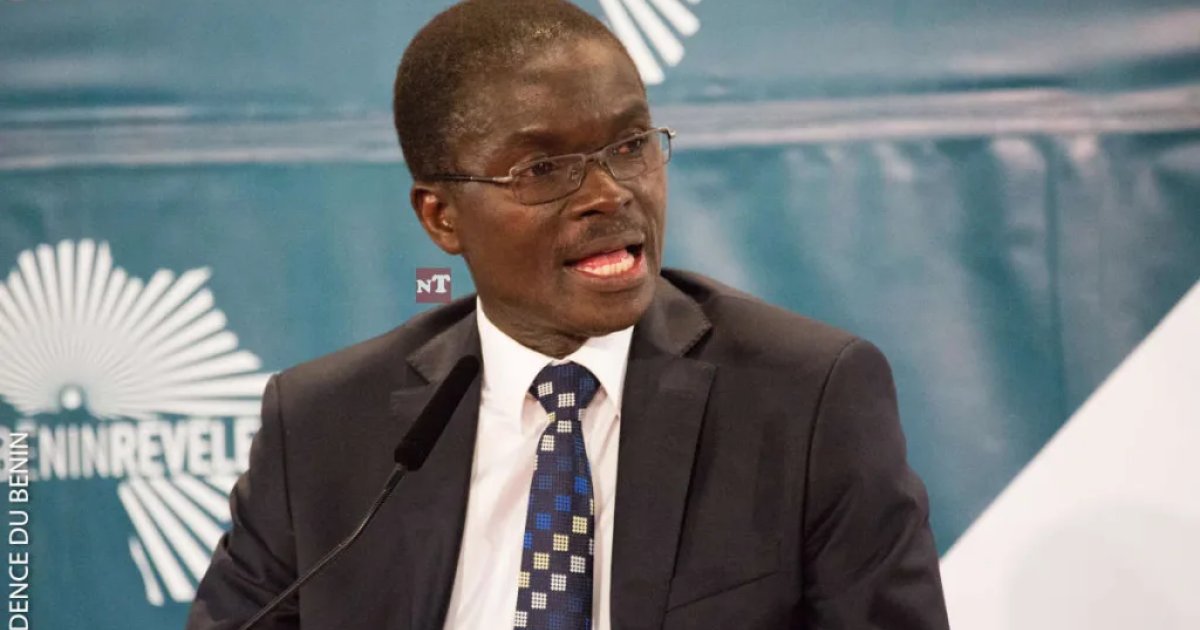
During a high-level discussion on rule of law and political transition in Africa, held in Cotonou by the Institute for Justice and Peace Builders (IAJP/Co), the establishment of the Senate emerged as a focal point of constructive dialogue. The event, which drew political analysts and institutional stakeholders, provided a platform for examining the role of bicameral systems in strengthening democratic resilience.
Strengthening democracy through institutional balance
Former minister and parliamentarian Lazare Maurice Sehouéto emphasized the Senate’s potential as a stabilizing force in Bénin’s political landscape. He framed the institution not as a source of division, but as a mechanism for reinforcing democratic checks and balances, ensuring smoother transitions of power and long-term institutional stability.
Dispelling fears with legal clarity
Addressing concerns raised by former deputy Kamel Bio Sika Ouassagari regarding the scope of the Senate’s powers, Sehouéto urged participants to ground their assessments in the letter of the law rather than speculative fears. He stressed that the Senate’s creation aligns with a broader continental trend where nations adopt bicameral systems to navigate periods of institutional fragility.
Lessons from global democracies
To illustrate his argument, Sehouéto cited international precedents where second chambers played pivotal roles in consolidating democratic gains:
- France: The Fifth Republic’s establishment to curb chronic ministerial instability and restore governance coherence.
- Germany: The post-World War II creation of a federal chamber to embed checks against authoritarian drift and safeguard constitutional order.
Fostering rational discourse over premature judgment
Rejecting alarmist rhetoric, Sehouéto framed the Senate as a unifying institution designed to:
- Mediate political tensions and reduce polarization.
- Promote national cohesion through inclusive dialogue.
- Anchor development trajectories in institutional continuity.
He concluded by urging political actors and civil society to engage in evidence-based discussions, prioritizing facts over caricatures and fostering a climate of mutual respect and constructive debate.