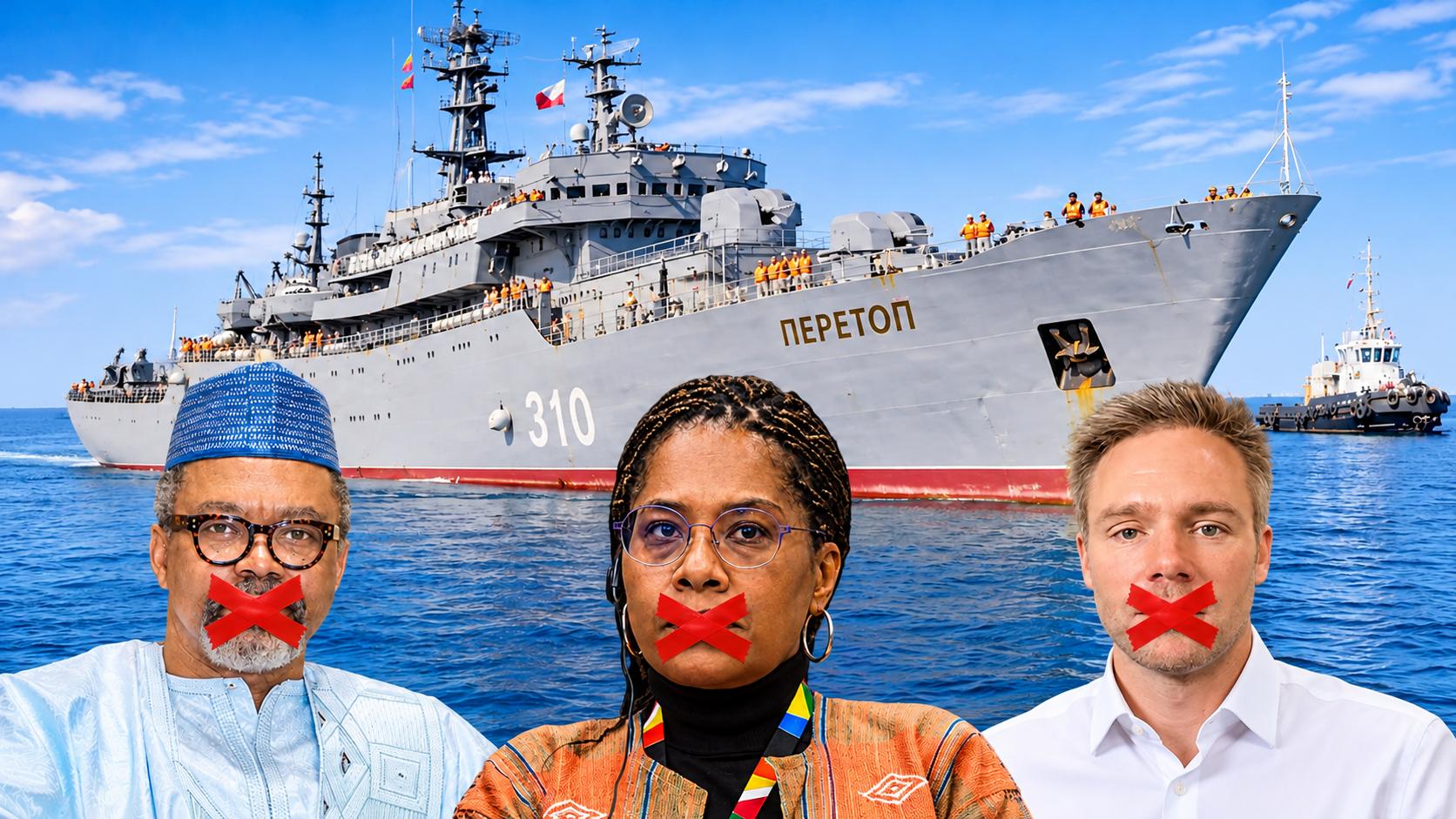
In recent months, the docking of a foreign warship in Benin’s port of Cotonou has revealed a striking shift in both public discourse and media responses. While previous arrivals of Western vessels triggered a wave of scrutiny, accusations, and what some described as deliberate misinformation, the anchorage of a Russian-flagged ship has passed with markedly less fanfare. This disparity raises critical questions about selective narratives in regional coverage and the principles governing discussions on national sovereignty.
From accusations to acceptance: how perceptions changed
Just weeks ago, the arrival of a French military vessel in Cotonou became the subject of intense speculation and criticism. Media outlets and commentators questioned the motives behind the visit, suggesting hidden agendas and even calling into question Benin’s sovereignty. The narrative surrounding the French ship was dominated by insinuations, demands for explanations, and a general tone of suspicion often without sufficient context or verification.
Contrast that with the recent docking of a Russian vessel. Despite sharing the same waters and carrying the same symbolic weight as a sovereign act, reactions have been notably subdued. There has been little of the outcry that accompanied the French ship’s arrival. No urgent calls for transparency, no urgent headlines questioning the implications of the visit. This silence, while not necessarily an endorsement, nonetheless highlights a glaring inconsistency in how different foreign military presences are perceived and discussed.
Selective sovereignty: why standards seem to shift with the flag
The contrast raises a troubling question: does Benin’s sovereignty only merit defense when a Western nation’s vessel is involved? When a French ship docks, its motives are scrutinized, its purpose debated, and its symbolic weight scrutinized under a microscope. But when a Russian ship arrives, the same intensity of discourse is absent. The silence suggests a double standard one where the nationality of a visiting military unit determines the level of public interest and scrutiny, rather than the facts of the visit itself.
This disparity becomes even more pronounced when considering the voices that once led the charge against Western presence. Figures known for their vocal criticism of French policy in Africa and their alignment with Russian narratives have remained conspicuously quiet in the face of this latest arrival. The inconsistency invites reflection: Are concerns about sovereignty conditional? Do they fluctuate based on geopolitical preferences rather than on principle?
The principle that should unite all discourse: equal treatment under the lens
National sovereignty is not a negotiable value it neither increases nor diminishes depending on the flag a ship flies. When a foreign vessel enters Beninese waters, whether for a port call, training, or cooperation exercises, the appropriate response should always be the same: measured reporting, fact-based analysis, and an expectation of clear communication from officials. This standard should not be influenced by whether the visiting nation is an ally or a rival in broader geopolitical rivalries.
If Benin welcomes cooperation with France, it must do so without fear of baseless accusations. Similarly, if it engages with Russia or any other nation it must do so with the same transparency and scrutiny applied to all partners. The principle of equal treatment is essential to maintaining both credibility and trust in international engagements.
What this silent arrival reveals about media narratives
Beyond the specific case, the difference in tone toward these two visits exposes a larger issue within regional discourse: a tendency to let geopolitical sympathies shape the framing of news. When a Western power’s presence is involved, the default reaction is one of suspicion and immediate interrogation. When a vessel from a non-Western nation arrives, the response is often more muted, less interrogative a reflection not of facts, but of underlying loyalties in commentary.
This pattern undermines the credibility of public debate and weakens the idea of an independent press. Media and commentators play a crucial role in shaping how citizens understand international affairs. When that role is colored by external allegiances rather than impartial reporting, the result is not journalism it is propaganda. Benin’s sovereignty and the right to engage freely with all partners must be defended on principle, not on preference.
As the world watches Benin’s evolving diplomatic landscape, one thing is clear: the country’s leadership will continue to navigate partnerships based on its own national interest. But the media and public commentators must ask themselves a difficult question: are their reactions guided by facts, or by geopolitical biases? The dignity of national sovereignty and the integrity of information demands answers to that question.
By Ramatou Soumana — Journalist