Mali’s turning point: UN mission arrives as humanitarian crisis reaches 5.1 million
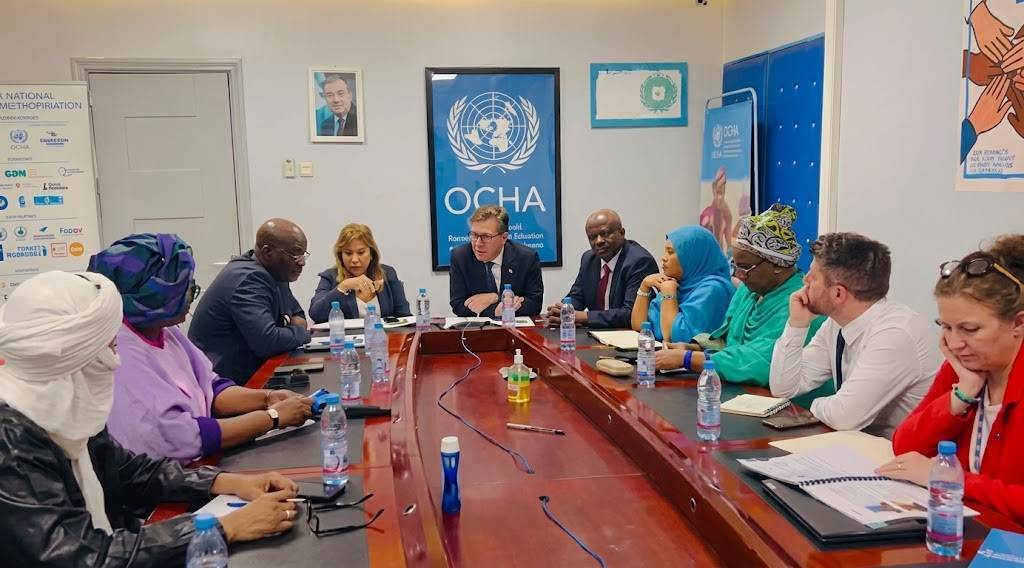
The Malian capital, Bamako, has become the epicenter of a humanitarian showdown as the United Nations steps back into the country amid soaring crisis figures for 2026. With 5.1 million people in dire need of assistance, a high-level UN delegation led by Assistant Secretary-General Tom Fletcher has arrived to assess the mounting challenges.
Five million lives at stake: the staggering dimensions of Mali’s humanitarian emergency
According to the 2026 Humanitarian Response Plan, Mali faces an unprecedented humanitarian crisis. Of the 5.1 million individuals requiring urgent aid, 3.8 million have been identified as priority beneficiaries for intervention. Behind these numbers lie displaced families, communities ravaged by insecurity, and individuals struggling to access basic services such as food, healthcare, clean water, sanitation, and protection.
The sheer scale of the crisis—where the number of people in need vastly exceeds current humanitarian response capacities—highlights the urgency of coordinated action. While the 3.8 million targeted represent the immediate focus, unmet needs remain a critical concern for agencies on the ground.
The UN’s high-stakes visit and shifting diplomatic sands
The arrival of Tom Fletcher, UN Under-Secretary-General for Humanitarian Affairs and Emergency Relief Coordinator, follows a period of strained relations between Malian authorities and multiple international organizations. Recent policy shifts have led to the suspension or withdrawal of several humanitarian groups, driven by a declared commitment to national sovereignty and tighter control over external interventions.
Yet this UN mission signals something different—a pivotal moment in diplomatic engagement. While the visit does not necessarily indicate a reversal of broader restrictions on other organizations, it underscores a critical juncture in how Mali balances its sovereign priorities with urgent humanitarian imperatives.
Sovereignty vs. survival: can Mali reconcile two imperatives?
The central tension now facing Mali is clear: navigating the push for national autonomy while ensuring that vulnerable populations receive the lifesaving support they desperately need. With 5.1 million people depending on humanitarian aid in 2026, the stakes could not be higher.
Key challenges ahead include:
- Securing sustainable funding amid shifting international alliances
- Re-establishing coordination between Malian authorities, UN agencies, and NGOs
- Maintaining access to remote and conflict-affected regions
- Ensuring that sovereignty-driven policies do not deepen humanitarian gaps
The human face behind the crisis
Beyond statistics and diplomatic maneuvering, the real story of Mali’s crisis lies in the lives hanging in the balance. Displaced families, children missing school, and communities cut off from essential services paint a stark picture of human vulnerability.
The UN’s visit is more than a diplomatic gesture—it is a moment to reaffirm that, regardless of geopolitical shifts, humanity must remain at the forefront. The question now is whether this turning point can translate into real momentum for those who need it most.