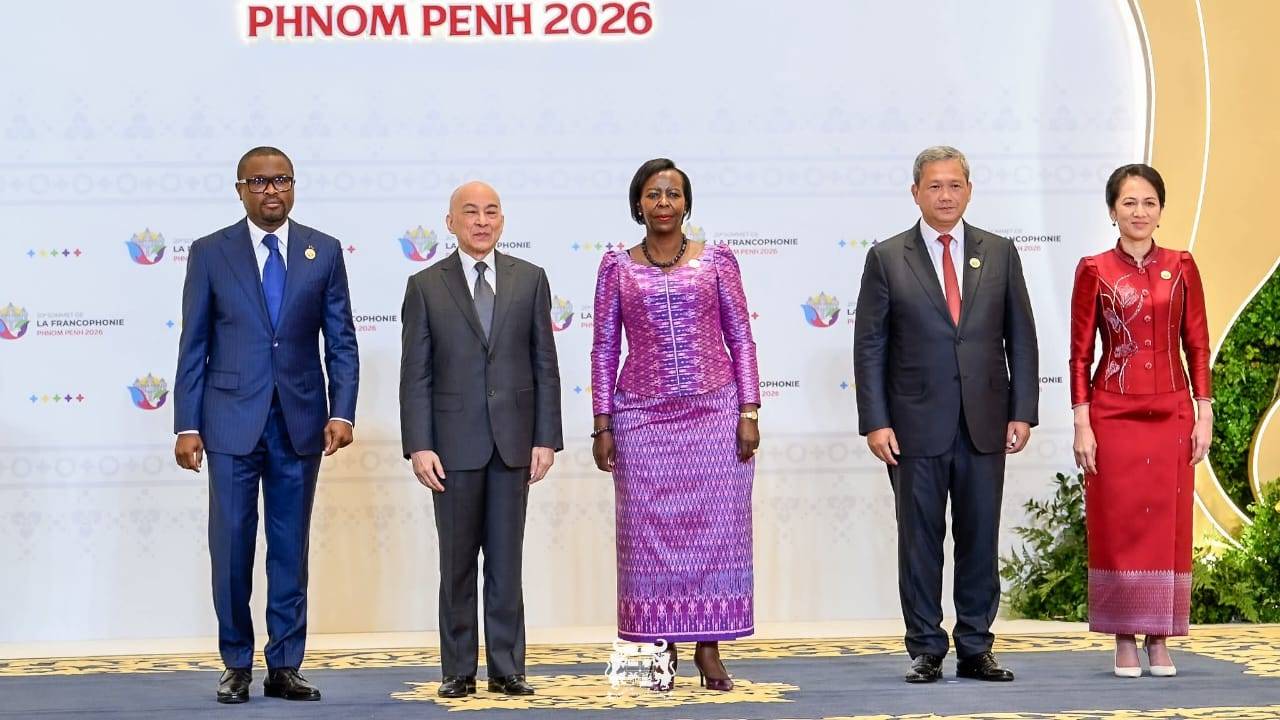
Significant momentum is building for Benin on the global stage. At the close of the 48th Ministerial Conference of the Francophonie (MCF) held in Phnom Penh, Cambodia, Benin was tapped to assume the vice-presidency of the International Organisation of La Francophonie (OIF). This landmark decision, effective until the next ordinary session in 2027, cements the country’s foothold in key decision-making circles across the francophone world.
A decisive breakthrough in multilateral diplomacy
The appointment comes as a strategic milestone in Benin’s ongoing commitment to multilateral engagement. By securing a leadership role within the MCF, the nation enters a new phase of international positioning, one that amplifies its influence in shaping policies that guide the OIF’s future direction.
Voicing Benin’s priorities at the highest level
Leading Benin’s delegation in Phnom Penh was Foreign Minister Corinne Amori Brunet. Her presence underscored the government’s dedication to advancing francophone cooperation and deepening ties with fellow member states. The minister’s active participation ensured that Benin’s strategic interests were front and center during intense negotiations on political, institutional, and financial reforms within the OIF.
Phnom Penh’s agenda: peace, stability, and shared prosperity
The conference’s guiding theme, “Reinvesting in peace for shared prosperity and lasting stability,” framed a series of critical discussions. Ministers addressed pressing global challenges, including geopolitical tensions, security crises, and the growing demand for sustainable peace-building across francophone regions.
Key outcomes included the finalization of the Phnom Penh Declaration—a roadmap for strengthening conflict prevention and post-crisis recovery—as well as a resolution on peace consolidation and an appeal to safeguard cultural heritage and diversity. These documents set the stage for adoption at the 20th Francophonie Summit, reinforcing the bloc’s role as a catalyst for dialogue and solidarity.
Benin’s rising profile: from participation to leadership
The vice-presidency is more than a symbolic role; it positions Benin to co-shape the OIF’s strategic priorities, particularly as the organization prepares to elect new leadership for the 2027–2030 term. This responsibility aligns with the country’s broader push to enhance its multilateral footprint and foster stronger international partnerships.
A potential homecoming for the 2027 conference
Benin also received strong backing to host the 2027 MCF, pending final approval by heads of state. Should its bid succeed, the country would welcome global diplomats to Cotonou for a high-profile gathering, offering a powerful platform to showcase its diplomatic vision and commitment to francophone cooperation. This dual achievement—securing the vice-presidency and candidacy—marks a defining moment in Benin’s journey toward becoming a pivotal voice in the Francophonie’s evolution.
What’s next for Benin within the francophone bloc?
Looking ahead, Benin is poised to play a more central role in shaping the OIF’s agenda, from policy development to crisis response mechanisms. The 2027 session could further elevate its standing, with potential opportunities to influence the election of new leadership and define the organization’s future course. For a nation steadily ascending on the world stage, this is more than a diplomatic win—it’s a strategic leap into the heart of 21st-century multilateralism.