From Stockpiles to Survival: Why Governments Are Redefining Preparedness
Around the globe, households are facing an unprecedented turning point. What was once a precautionary measure—keeping basic supplies on hand—has evolved into a strategic imperative. Governments worldwide are now urging citizens to prepare for disruptions that could last days, not hours. This shift signals a major moment: the realization that geopolitical turbulence, cyber threats, and infrastructure failures can strike without warning, turning everyday life into a race against time.
The European Wake-Up Call: A Continent Preparing for the Unthinkable
In October, a landmark initiative in Europe underscored the urgency of this new reality. A major European capital launched a national campaign—one that echoed far beyond its borders. Households were advised to store enough essentials to last 72 hours: water, non-perishable food, first-aid kits, flashlights, battery-powered radios, and cash. The rationale? To survive the critical first days following a crisis—whether a cyberattack, extreme weather, or critical infrastructure failure.
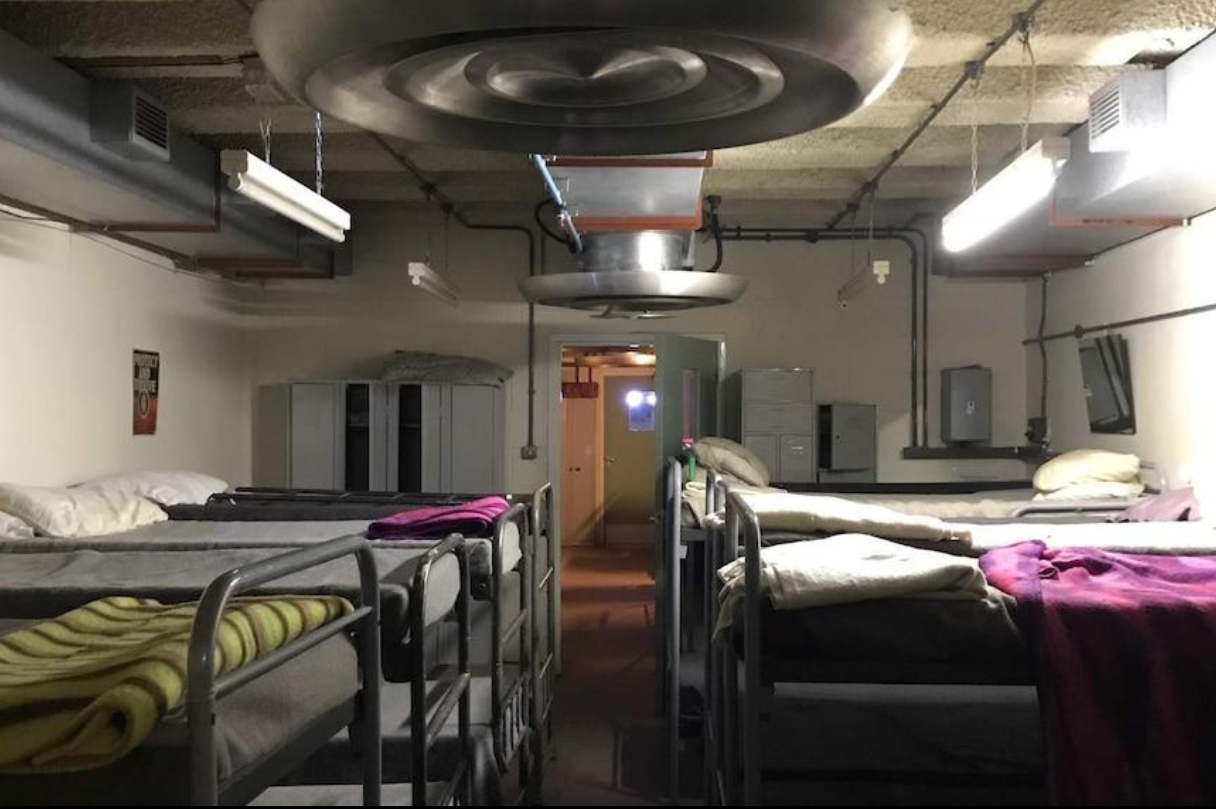
This directive didn’t emerge in a vacuum. From Finland to Poland, nations are bolstering civil defense systems. Finland has expanded its national cereal reserves to cover nine months of consumption, while Sweden and the Baltic states are reinforcing shelters, early-warning systems, and evacuation protocols. The 2022 invasion of Ukraine served as a stark reminder: in the digital age, war doesn’t just target armies—it paralyzes power grids, blocks supply chains, and disrupts basic services for millions.
Silent Sabotage: The Invisible Threat Behind the Headlines
Western intelligence agencies are focusing on a less visible but equally dangerous scenario: covert provocations. Reports suggest adversaries may test NATO resolve through hybrid warfare—cyberattacks, sabotage, or infrastructure disruptions that fall short of open war. These actions are designed to gauge reaction times and collective resolve. The message is clear: stability is not guaranteed, even in peacetime.
In this environment, individual preparedness isn’t just advisable—it’s a civic responsibility. A well-stocked pantry becomes more than a personal safeguard; it’s a buffer for emergency services overwhelmed by demand. It buys time for authorities to restore systems and avoid collapse.
Middle East on Edge: When Energy Insecurity Triggers Regional Instability
The Gulf states are navigating a different kind of volatility. Escalating tensions between regional powers have translated into real-world threats to civilian infrastructure. Reports indicate missile launches, drone incursions, and cyber interference—all targeting critical logistics hubs: oil facilities, ports, airports, and energy grids. The ripple effects are immediate: supply chains freeze, fuel prices surge, and essential goods vanish from shelves. In response, governments are quietly advising citizens to prepare for potential blackouts, water shortages, or trade halts that could last weeks.
This isn’t speculative. In 2026, a coordinated campaign of retaliatory strikes and alleged sabotage exposed the fragility of regional stability. The message is consistent: economic pressure can become a weapon. And in a highly interconnected world, disruptions in the Gulf send shocks across global markets.
Asia’s New Geopolitical Fault Lines: When Allies Become Networks
Across the Asian continent, alliances are being redrawn—and so are the risks. The October opening of a major cross-border bridge between China and North Korea marked a symbolic step toward renewed cooperation. Days later, North Korea’s leader traveled to a Chinese border city, reaffirming military and economic ties. These developments occur against a backdrop of growing collaboration between Pyongyang and Moscow—raising concerns about coordinated threats in multiple regions.
While a direct offensive remains unlikely, the consolidation of these partnerships increases the potential for simultaneous crises. Governments are recalibrating their contingency plans, and citizens are being encouraged to do the same. The goal? To ensure that families—not just militaries—can withstand sudden shocks.
From Fear to Action: How to Build Resilience Without Panic
Facing a landscape of uncertainty, the key isn’t paralyzing fear—it’s informed readiness. The NATO alliance has elevated resilience to a strategic priority, emphasizing energy security, food reserves, water access, and communication networks. These aren’t abstract concerns; they’re life-saving measures in the event of a blackout, a cyber siege, or a supply chain freeze.
What does this look like in practice?
- Food & Water: Store at least 72 hours of non-perishable meals, canned goods, and bottled water per person. Include a manual can opener.
- Energy & Light: Keep battery-powered lights, lanterns, and a portable charger. Avoid candles during high-risk periods.
- Communication: A battery-powered or hand-crank radio ensures access to emergency broadcasts when digital networks fail.
- Health & Safety: A fully stocked first-aid kit, prescription medications, and hygiene supplies (soap, sanitizer, masks) are essential.
- Financial Readiness: Keep a small amount of cash accessible—ATMs and card readers may not function during power outages.
- Community Plan: Know your local evacuation routes and designated shelters. Share emergency contacts with neighbors.
The message is not about predicting doom—it’s about acknowledging reality. In 2026, stability is no longer guaranteed. The question isn’t if a crisis will strike, but when. And in that moment, every family’s foresight may make the difference between chaos and continuity.
The Bigger Picture: A New Era of Shared Responsibility
Governments are no longer the sole guardians of safety. They are acknowledging a fundamental truth: societies survive not just by building walls, but by building resilience. Citizens who store water, food, and knowledge become part of a collective shield—one that protects not only their homes, but the community’s ability to function during the most critical hours.
This is more than a drill. It’s a turning point—a moment where the line between preparedness and panic begins to blur. The choice isn’t between fear and hope. It’s between action and vulnerability. And in today’s world, that choice is no longer optional.