Strengthening health resilience through international cooperation
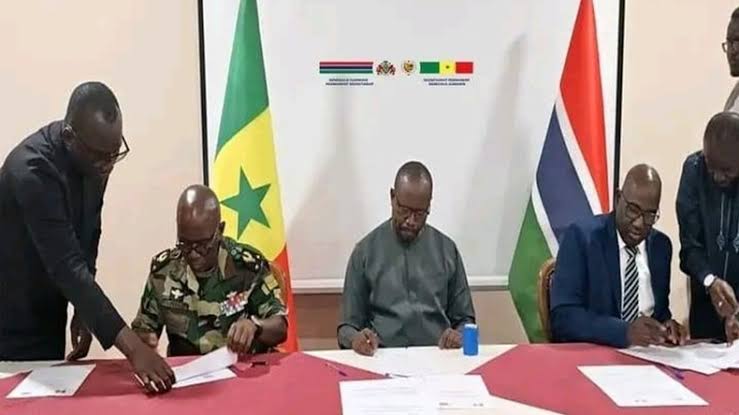
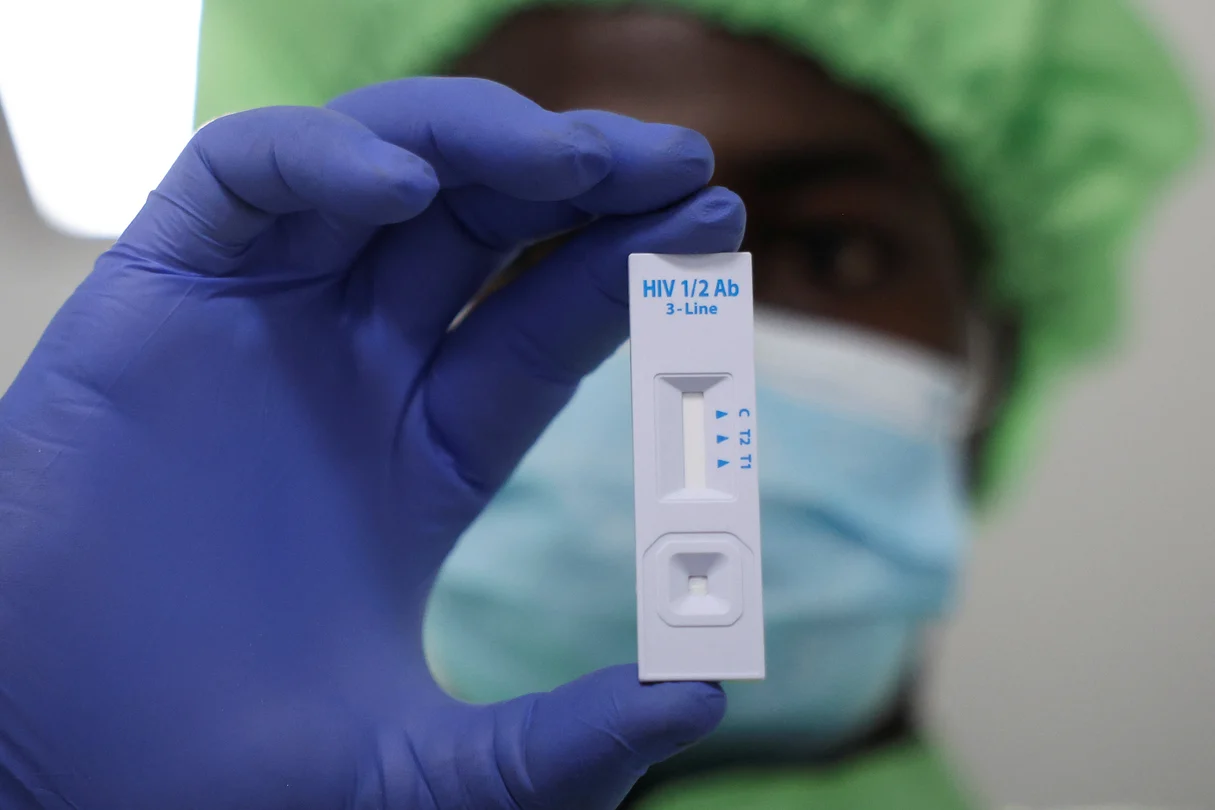
In a landmark agreement, the United States Department of State has finalized a five-year bilateral memorandum of understanding with Burkina Faso, unlocking a total funding package of $147 million. This financial commitment is designed to bolster Burkina Faso’s efforts in combating HIV/AIDS, malaria, and other infectious diseases, while simultaneously enhancing the country’s epidemiological surveillance and emergency response capabilities.
The agreement underscores a shared commitment to preventing and controlling the spread of communicable diseases through strengthened international health cooperation.
Local investment and shared responsibility
Under the terms of the partnership, Burkina Faso has pledged to increase its national health expenditure by $107 million, reflecting a strong dedication to domestic ownership and the strengthening of its health infrastructure.
Key initiatives and technological advancement
The partnership allocates approximately $12 million to global health security initiatives. These funds will be directed toward:
- Community health systems — expanding access to essential health services in rural and underserved areas
- Digital health data systems — modernizing data collection, transmission, and analysis to improve real-time decision-making
- Laboratory capacity building — strengthening the ability to detect and respond to emerging pathogens and antimicrobial resistance
The agreement also reinforces long-standing programs targeting malaria elimination and maternal and child health, with a special focus on supporting frontline community health workers—the backbone of Burkina Faso’s resilient and locally driven health system.
Building a sustainable health workforce
Upon completion of the five-year agreement, health professionals and laboratory technicians trained and funded by the United States will be integrated into Burkina Faso’s public health service. This integration aims to create a nationally owned, sustainable health system capable of protecting both Burkinabè and American populations from cross-border health threats.
Global health strategy and international engagement
This partnership is part of the broader America First Global Health Strategy, which has now secured over $18.56 billion in new health financing through 17 bilateral agreements signed with African nations including Botswana, Burkina Faso, Burundi, Cameroon, Côte d’Ivoire, Eswatini, Ethiopia, Kenya, Lesotho, Liberia, Madagascar, Malawi, Mozambique, Nigeria, Uganda, Rwanda, and Sierra Leone. Of this total, $11.33 billion comes from U.S. contributions, with partner countries co-investing $7.23 billion.
International responses and sovereignty considerations
While many countries have embraced this health funding initiative, not all have joined. Zimbabwe declined a $367 million offer, citing concerns over national sovereignty and oversight mechanisms. Zambia has raised reservations about certain provisions, and ongoing dialogue continues to address these concerns before finalizing its participation.