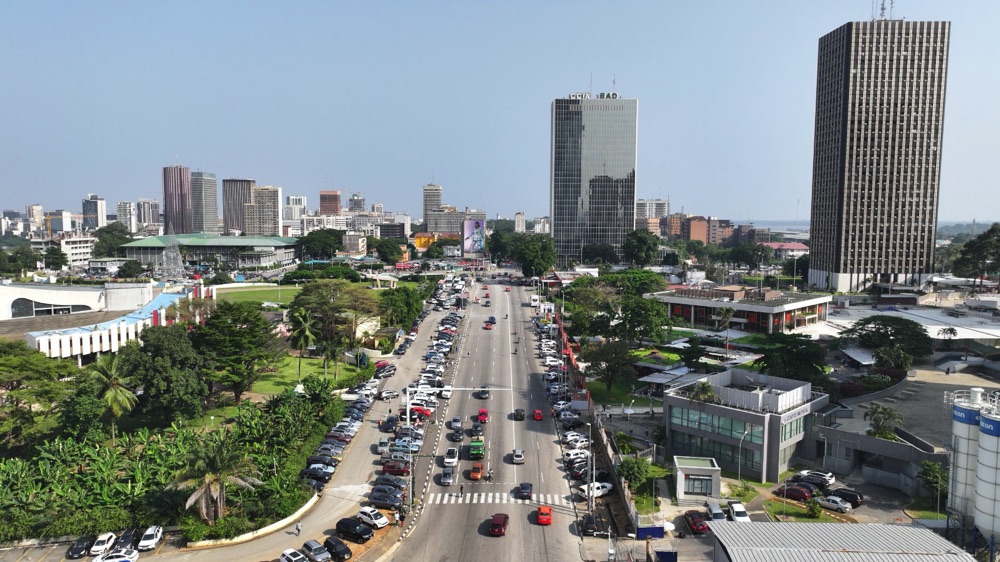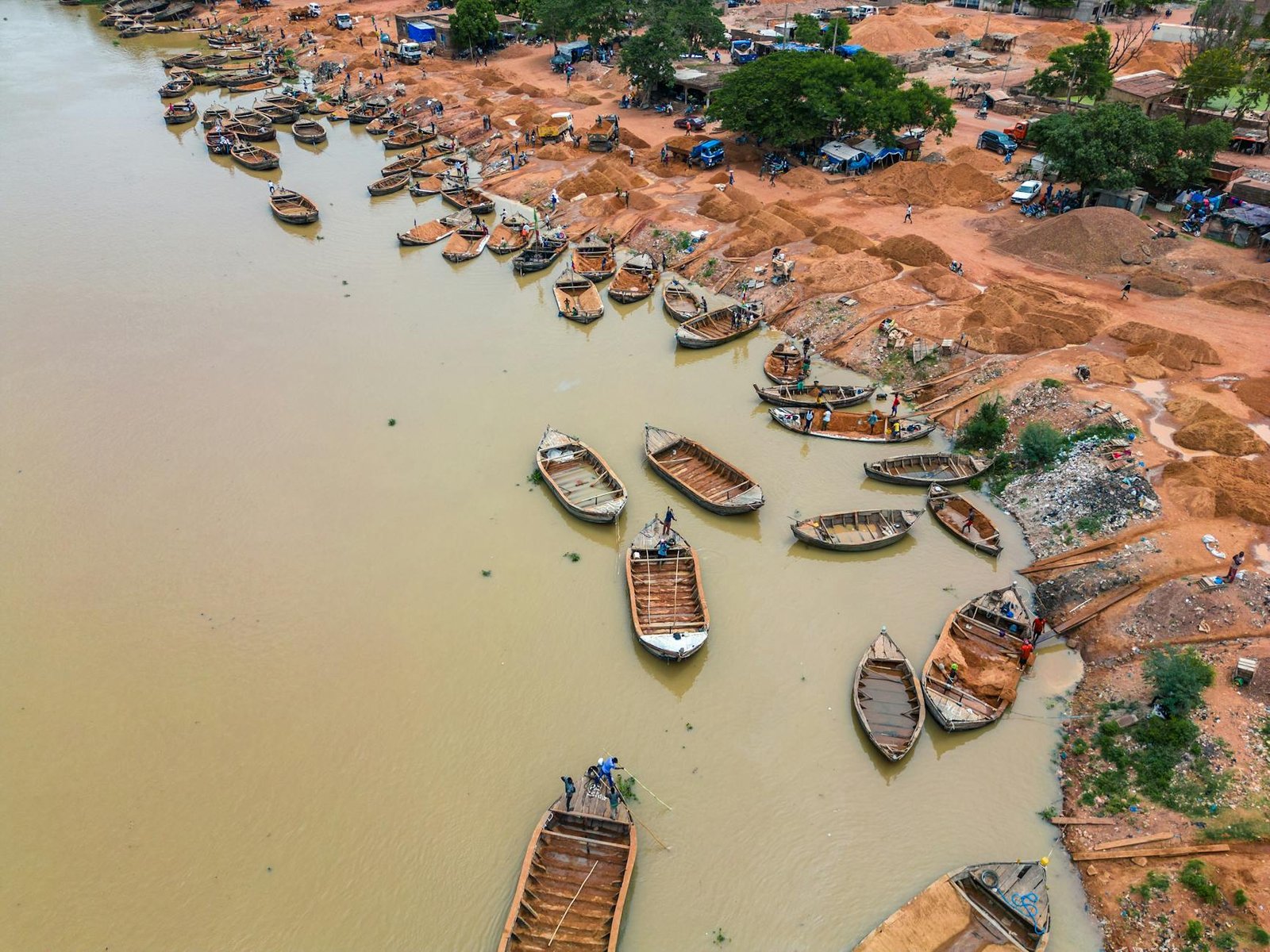
The Burkina Faso of 2024 is at a turning point. Since Captain Ibrahim Traoré seized power in September 2022, the country has redefined its alliances at an unprecedented pace, with one resource shining brighter than ever: gold. Beyond its economic value, Burkina Faso’s gold is now a strategic asset in a delicate balancing act between Ouagadougou and Moscow. How are gold revenues and Russian security cooperation reinforcing each other—and what does this mean for the future of Traoré’s regime?
The Bissa gold mine: where Russian security companies clash behind the scenes
At the heart of this evolving relationship lies the Bissa gold mine, operated by Nordgold—a Russian-owned company. But the site has become more than just a source of wealth; it’s a battleground for influence among Russian security firms jockeying for contracts to protect mining infrastructure. The stakes are high: securing gold production means safeguarding revenue, maintaining investor confidence, and, increasingly, protecting Ibrahim Traoré’s fragile hold on power.
Recent disclosures have exposed a fierce rivalry between firms like RSB-Group and its competitors. One such rival firm allegedly secured the Bissa contract after RSB-Group was ousted. In response, RSB-Group reportedly invoked reports of attacks on Fulani villages—blaming rival security providers for escalating violence in mining zones. While these accusations require independent validation, they underscore a dangerous trend: the privatization of security in Burkina Faso is no longer just a commercial issue—it’s becoming a political tool.
From anti-terrorism to regime protection: the broader agenda of Moscow’s outreach
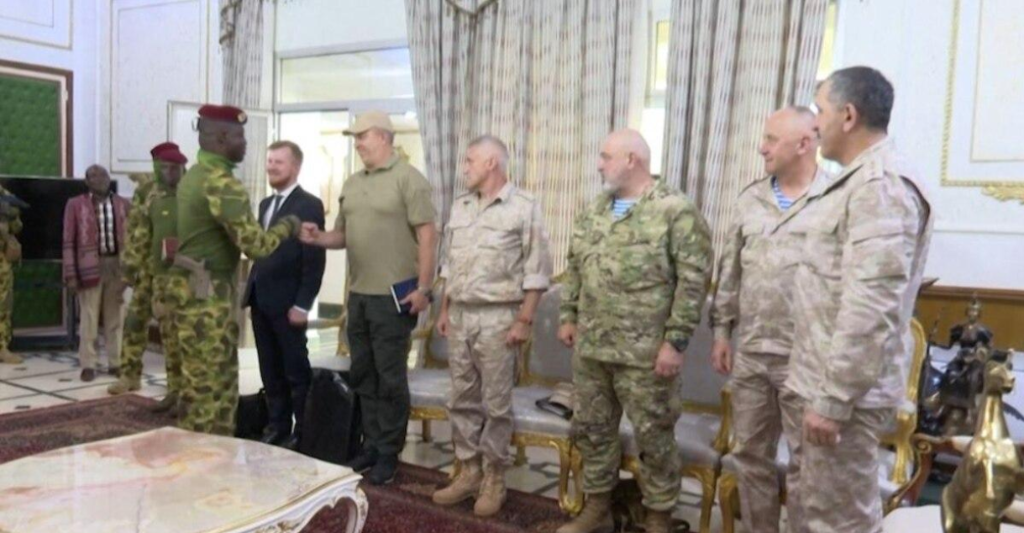
Russia’s engagement in Burkina Faso isn’t limited to battling Islamist militants. Since a failed coup attempt in September 2023, the need to shield Ibrahim Traoré and his inner circle has become a top priority. Reports from July 2024 revealed Russian paramilitary personnel present during an official ceremony in Ouagadougou—some deployed at the presidential palace and others within intelligence-linked structures. While their role in counterterrorism is well-documented, their presence at the heart of the state signals a deeper mission: securing the regime itself.
This shift follows a familiar pattern across Africa, where Moscow has forged alliances that blend military support, political backing, and economic access. In return for its security footprint, Burkina Faso may be offering Moscow entry into lucrative sectors—especially mining. Yet no public agreement explicitly ties Traoré’s protection to Russian control over Burkina Faso’s gold. Still, the convergence of interests is undeniable.
Gold as leverage: the economic dimension of Traoré’s Moscow pact
Russia’s economic foothold in Burkina Faso’s gold sector is substantial. Nordgold, controlled by Russian billionaire Alexei Mordashov, operates both the Bissa and Bouly mines. The company’s continued operations depend on stable, secure conditions—making gold extraction not just an economic concern, but a strategic imperative for Moscow.
In February 2023, Burkina Faso’s transitional government seized 300 kilograms of gold from Bissa Gold citing a ‘state of public necessity.’ Though the move triggered indemnity talks, it highlighted a new reality: Ouagadougou views gold as a national asset to be mobilized in times of crisis. For foreign investors—and especially Russian ones—this development signals an environment where access to mining concessions can be tied to broader geopolitical commitments.
Analysts at the Combating Terrorism Center at West Point have suggested that protecting Russian mining investments may have been a key factor in Moscow’s initial interest in Burkina Faso. But they also warn that the most visible role of Russian forces in the country is likely the reinforcement of Traoré’s regime. Direct links between military support and mineral rights, however, remain speculative.
Security vs. stability: a risky equation for mining communities
The fallout from this growing security-mining nexus is most keenly felt by local communities. When private Russian firms take over mine protection, operations in volatile regions can intensify. Reports of communal violence near mining sites—such as allegations linking security agents to attacks on Fulani villages—raise urgent questions about accountability and human rights.
For Burkinabè living near Bissa, the arrival of Russian security firms offers no guarantee of safety. Rather, it risks turning their homeland into a contested space where economic interests outweigh human security. The lesson is clear: in Burkina Faso, gold doesn’t just fund the state—it fuels a new kind of power structure, one where regime survival and foreign partnerships are increasingly intertwined.
A new era of cooperation—or a risky gamble?
While no formal ‘deal’ has been unveiled, the evidence suggests a quiet convergence of interests: Moscow provides security assistance and political cover, while Burkinabè authorities allow Russian-linked firms to expand their footprint in gold mining. The result is a partnership that bolsters Traoré’s rule while deepening Burkina Faso’s reliance on non-Western allies.
Yet this arrangement comes with risks. Local resistance, economic instability, and regional skepticism could undermine the long-term viability of the pact. As gold continues to flow from Burkinabè soil into foreign vaults, one question looms large: is this cooperation a strategic turning point—or a ticking time bomb?