Ibrahim Traoré’s announcement of Burkina Faso producing nearly 300 armored vehicles in just ten months has triggered intense debate and growing skepticism. The military leader claims Faso Armored, a Burkinabè entity shrouded in secrecy, is behind the feat. Yet deepening doubts about the vehicles’ origins—amid whispers of recycled components and outsourced expertise—are challenging the narrative of a robust national defense industry.
Public reactions have been swift, exposing fault lines in the official story. Critics question the feasibility of such rapid production without transparent sourcing, industrial infrastructure, or clear integration of local manufacturing. As scrutiny intensifies, the fallout could extend beyond the battlefield, potentially undermining public trust in Burkina Faso’s economic and technological claims.

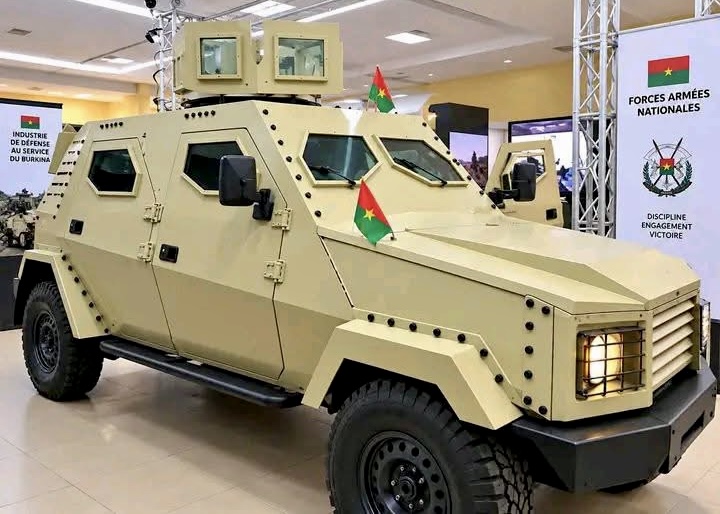
Assembled armored vehicles labeled as ‘Made in Burkina’ goods, raising questions about their true origin.
Traoré’s bold claim and the veil of secrecy around Faso Armored
On September 21, Ibrahim Traoré revealed what he described as a historic achievement: Faso Armored, a Burkinabè company, has allegedly produced nearly 300 armored vehicles since November 2025. According to Traoré, these vehicles are already earmarked for Burkina Faso’s defense and security forces, with over half prepositioned for military operations. He emphasized rigorous testing for resistance to gunfire, improvised explosive devices, and terrain adaptability, and touted the involvement of multiple prototypes before finalizing the current model.
Yet Faso Armored remains an enigma. No details about its facilities, workforce, or operational capacity have been disclosed. Traoré also hinted at four to five additional private entities operating discreetly in the military sector, but offered no clarity on their roles or origins. Crucially, the source of key components—chassis, engines, transmissions, ballistic glass, protective steel—was left unspecified. Without transparency on local content or supply chains, the claim of producing nearly 300 vehicles in a year raises immediate logistical and industrial concerns.
From African peacekeeping vehicles to Burkinabè “Made in” claims
Investigations suggest the armored vehicles may not be newly manufactured, but rather assembled from salvaged components. A high-ranking military source with firsthand knowledge of Faso Armored’s origins described a process rooted in operations dating back to the Darfur peacekeeping mission involving the United Nations and the African Union (UNAMID). During that deployment, Burkinabè contingents reportedly operated South African-made Casspir armored vehicles, a staple in mine-resistant ambush-protected (MRAP) fleets.
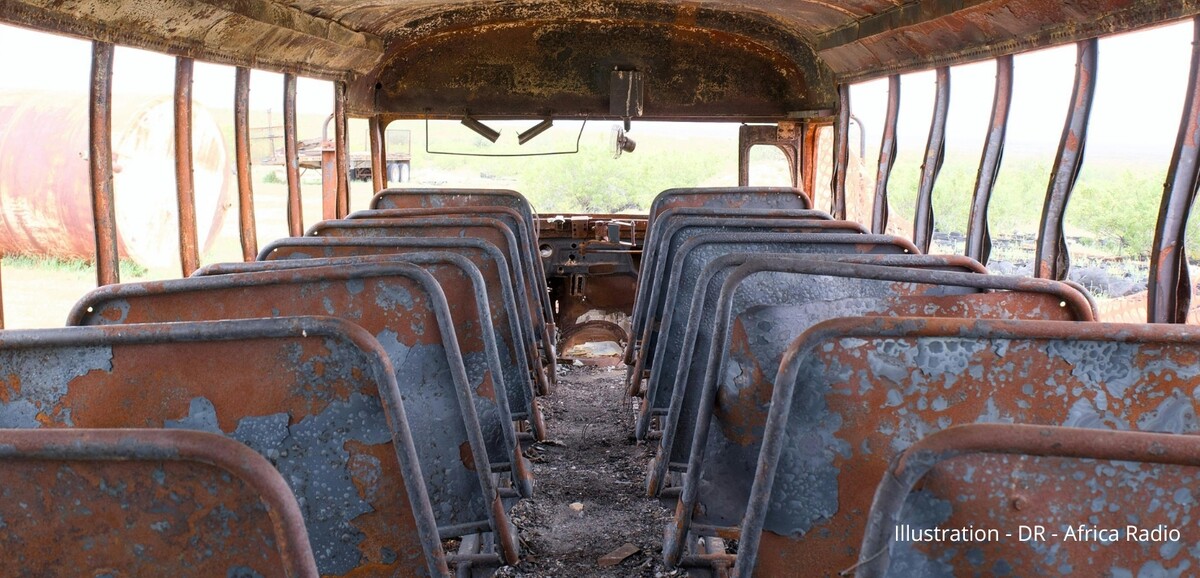
After equipment failures and mechanical breakdowns, some Casspirs were decommissioned. Following the 2022 military takeover, neighboring technicians attempted repairs but failed to restore the vehicles to full operational status. Instead, Faso Armored adopted a different strategy: salvaging still-usable sections of the old Casspirs—protective plating, reinforced frames—and integrating them into locally modified pickup trucks. While such modifications demonstrate technical prowess, they fall short of full armored vehicle production, which requires a full industrial supply chain and manufacturing integration.
The Casspir design, originally developed in South Africa, features a high ground clearance and V-shaped hull engineered to deflect explosive blasts, protecting occupants from mine and IED threats. It has been widely deployed across African militaries and peacekeeping missions, including by Burkinabè forces in Darfur. Despite its durability, the Casspir’s transformation into a Burkinabè product is far from a national industrial milestone.
Recycled narratives: China, ITAOUA, and the pattern of misleading claims
This isn’t the first time Burkina Faso has faced scrutiny over military hardware presented as domestically produced. In late 2024, social media erupted with viral posts showcasing armored vehicles labeled as “Made in Burkina.” Investigations revealed these were actually Chinese-made Norinco models, imported by Ouagadougou and repackaged as national products in a coordinated media campaign.
The pattern continued in January 2025 with the rollout of the ITAOUA electric vehicle brand. Unveiled in a high-profile ceremony attended by the Minister of Industry and Trade, the vehicles were later identified as rebadged models from Chinese manufacturer Dongfeng. The Sahel and Native versions corresponded to the Dongfeng Nano Box and Nammi Box, respectively. While ITAOUA touted plans for an assembly plant, no actual design work occurred in Burkina Faso—only marketing and rebranding. Yet the narrative of “a Burkinabè car” spread rapidly on social platforms, erasing distinctions between assembly, design, and branding.
Beyond vehicles: the broader landscape of disinformation under Traoré
The armored vehicle controversy is unfolding against a backdrop of documented disinformation associated with Ibrahim Traoré’s administration. Deepfakes, AI-generated interviews, and doctored footage have flooded digital platforms, amplifying false narratives of global admiration and influence. A viral but fabricated video claimed Beyoncé and Rihanna celebrated Traoré, while another falsely depicted Barack Obama praising his leadership. There have been claims of assassination plots involving millions of dollars, all unsupported by evidence.
Code for Africa identified 165 coordinated Facebook pages spreading a false story that Vladimir Putin had deployed special forces to protect Traoré from U.S. threats, racking up 10.9 million views in ten days. Another tactic involves recontextualizing footage: clips from anti-government protests in Belgrade were repurposed to falsely suggest pro-Traoré rallies in France and South Africa.
Within this context, Faso Armored’s claim takes on new meaning. Previous vehicles labeled “Made in Burkina”—whether from China or electric prototypes—were later exposed as rebranded imports. Now, with Faso Armored’s armored vehicles under the microscope, the regime’s broader narrative of technological sovereignty faces heightened skepticism. The fallout isn’t just about defense logistics; it risks eroding public and international confidence in Burkina Faso’s economic and industrial reporting.
What’s next? Public trust and the Faso Armored credibility gap
As the debate escalates, several key questions loom over the Faso Armored project. Can Burkina Faso produce armored vehicles at scale without revealing its supply chain, workforce, or industrial base? Will the international community accept recycled equipment as locally manufactured defense assets? And most importantly, how will continued contradictions affect public perception of Ibrahim Traoré’s leadership and Burkina Faso’s economic narrative?
The answers may not come from official channels. With no details available about Faso Armored’s operations or component sourcing, skepticism is likely to persist. The regime’s pattern of rebranding, recontextualizing, and repackaging—whether in military vehicles, electric cars, or media narratives—undermines its credibility. Without transparency, Faso Armored risks becoming another symbol not of national pride, but of manufactured illusion.