From New York to Dakar: the ripple effects of a bilateral breakthrough
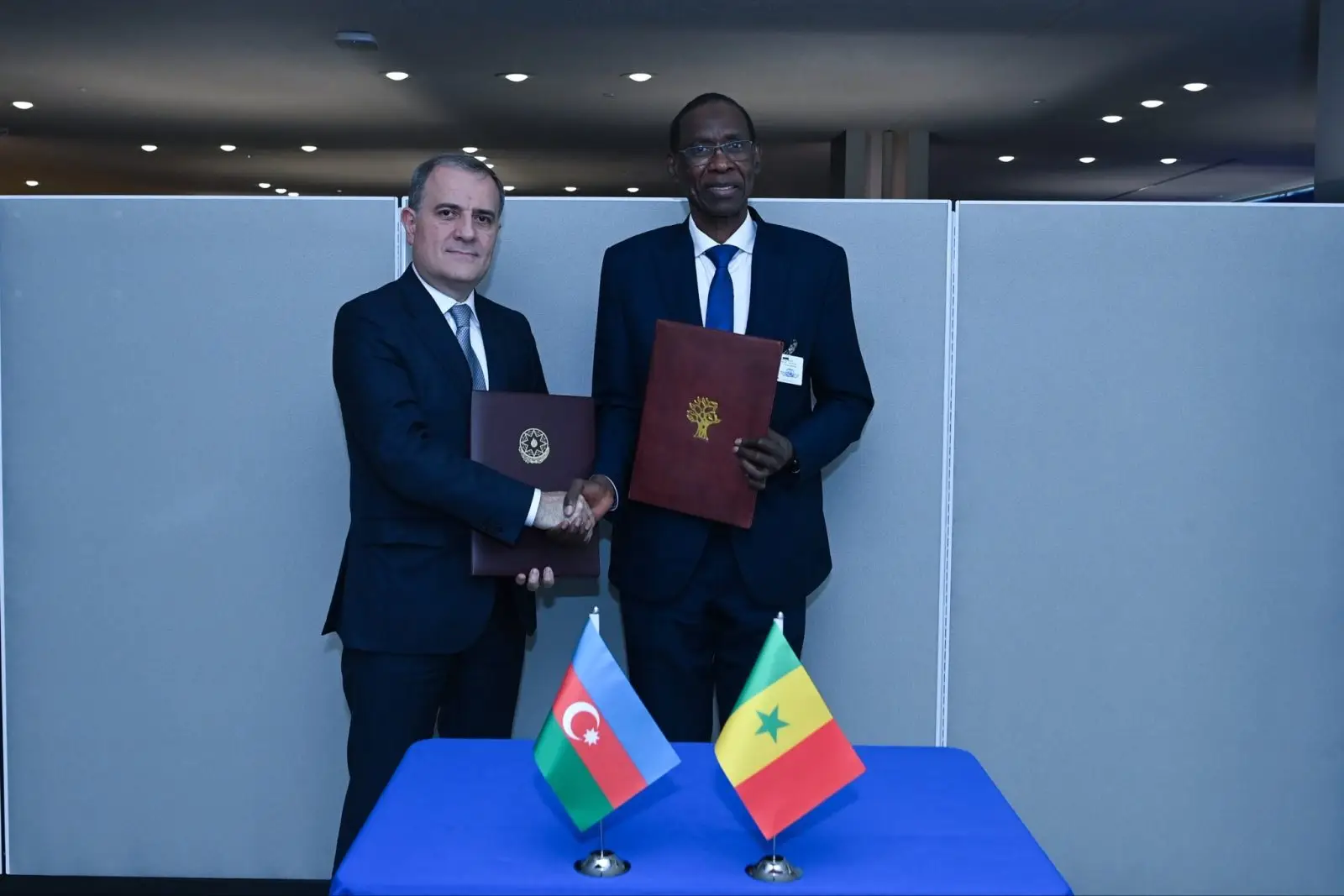
In a quiet corner of the 81st United Nations General Assembly in New York, Senegal and Azerbaijan inked a new memorandum of understanding that could quietly redefine how both nations engage on the global stage. Announced late Friday by Senegal’s Ministry of African Integration, Foreign Affairs and Senegalese Abroad, the document establishes a structured political dialogue framework—a move designed to replace sporadic, ad-hoc exchanges with regular, formal consultations. But beyond the diplomatic language lies a broader question: what does this pact mean for the future of Senegal’s foreign policy—and for the citizens who will ultimately feel its impact?
Building cooperation beyond the headlines
The memorandum itself does not specify exact areas of focus, leaving room for interpretation in the months ahead. In diplomatic practice, such agreements typically serve as a foundation for discussions across multiple domains—trade, energy, technical cooperation, climate initiatives, and multilateral engagement. Senegal, which has been actively diversifying its diplomatic alliances in recent years, is now turning eastward and northward, forging new partnerships beyond its traditional West African and European spheres.
While the ministry has not revealed the frequency or timeline for these future consultations, the expectation is that the two governments will clarify these operational details in the coming weeks. Analysts suggest that the first round of talks could center on economic collaboration, infrastructure projects, and shared positions at the UN and other international platforms.
Why New York matters in Senegal-Azerbaijan relations
The timing of this signing is no coincidence. The annual High-Level Week of the UN General Assembly acts as a diplomatic accelerator, offering world leaders a rare window to finalize bilateral agreements without the logistical burden of separate state visits. For Senegal, a country seeking to amplify its voice on the continent and beyond, leveraging the UN platform allows for timely, high-visibility engagement with partners like Azerbaijan.
Although the ministry did not disclose the identities of the signatories or the exact format of the ceremony, the symbolic weight of the moment is clear: this is not just another diplomatic formality—it’s a signal that Dakar is serious about cultivating new alliances in strategic regions.
What’s next? Public debate and policy implications
As news of the memorandum spreads, reactions are beginning to surface from analysts, political observers, and civil society groups. Some praise the move as a forward-thinking step toward enhanced economic and political cooperation, while others question whether tangible benefits—such as job creation, investment flows, or technological transfer—will materialize for Senegalese citizens in the near term. The coming months will likely see increased scrutiny over how the framework is implemented and what specific commitments are made.
What remains certain is that this memorandum marks a turning point in Senegal’s diplomatic playbook. By institutionalizing regular consultations with Azerbaijan, Dakar is not only broadening its international network but also signaling a more proactive, diversified foreign policy strategy—one that could reshape its role in West Africa and on the global stage.
Key takeaways for stakeholders
- Structured dialogue over sporadic meetings: The memorandum replaces informal exchanges with a formal mechanism for regular consultations.
- Unclear timelines, high expectations: While the framework is in place, the calendar for future talks and decision-making remains to be announced.
- Diversification as a pillar: This pact reflects Senegal’s broader strategy of engaging beyond its traditional partners, including countries in Asia and Eastern Europe.
- Public scrutiny on the rise: As details emerge, observers will weigh the potential benefits for Senegal’s economy, workforce, and global influence.