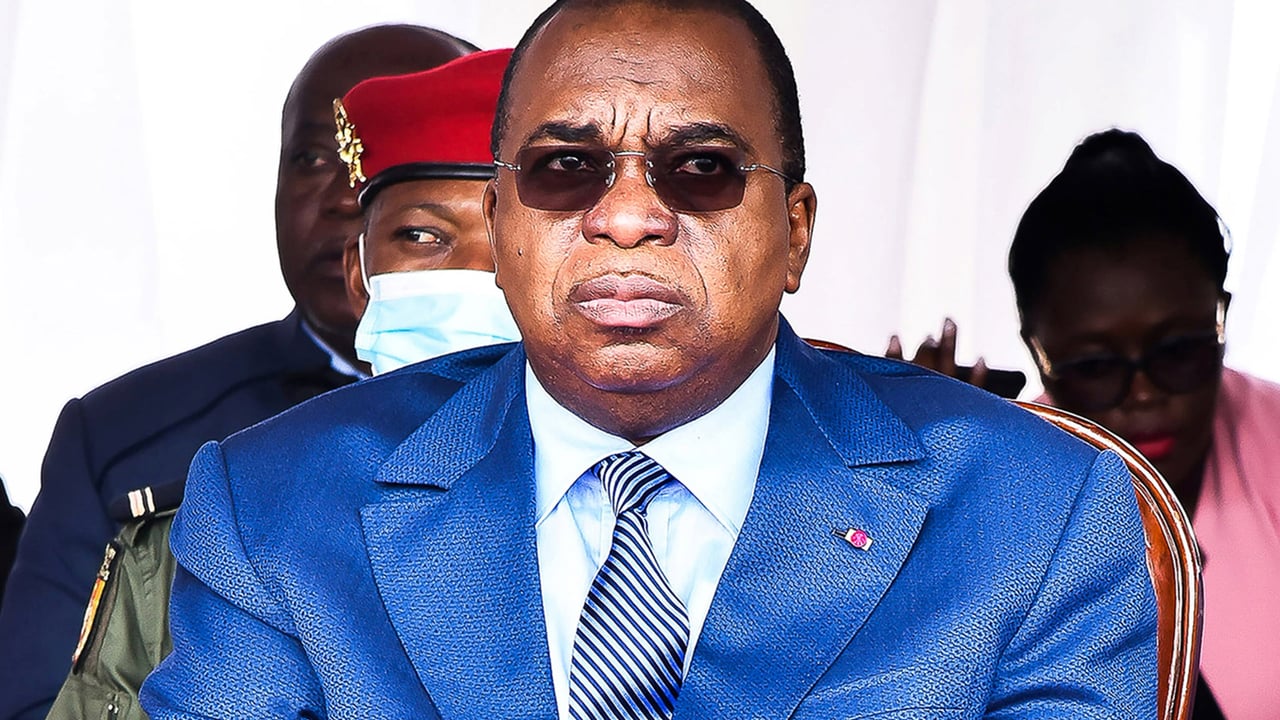

With Cameroon’s 2027 budget proposal now in the crosshairs, Finance Minister Louis-Paul Motaze is facing a wave of criticism over his bold financing strategy. As public opinion fractures between reform advocates and skeptics, the debate has intensified: will these measures stabilize the economy or deepen fiscal strain?
What’s fueling the backlash against Motaze’s budget plan?
Critics argue that the government’s heavy reliance on Eurobond issuance and FMI conditionalities could saddle future generations with unsustainable debt. Meanwhile, proponents see these steps as necessary to bridge funding gaps and modernize infrastructure. The divide has spilled into street protests and parliamentary debates, with no clear consensus in sight.
Key opponents weigh in
Opposition leaders have labeled the budget a “high-risk gamble,” warning that aggressive borrowing could trigger a debt crisis. Meanwhile, business associations express frustration over proposed tax hikes aimed at boosting revenue, arguing they could stifle private sector growth.
Inside the budget’s high-stakes financial maneuvers
The proposal hinges on three pillars: debt restructuring, new revenue streams, and stringent cost controls. Yet, even as Motaze touts these as “strategic pivots,” analysts highlight the tightrope walk between growth and austerity. The CEMAC regional bloc has also raised eyebrows, questioning Cameroon’s adherence to fiscal rules amid rising deficits.
Where’s the money going?
- Infrastructure upgrades: Massive allocations to roads, ports, and digital networks
- Social safety nets: Expanded programs for vulnerable populations
- Debt servicing: Prioritizing repayments to avoid penalties
Public reaction: optimism vs. outrage
While urban youth movements demand accountability, rural farmers warn of higher living costs. The government, for its part, insists the budget addresses “immediate crises” while laying groundwork for long-term resilience. Yet polls show plummeting confidence, with over 60% of respondents dubious about the plan’s viability.
What happens next? The roadmap beyond 2027
All eyes are on parliament’s upcoming vote. If rejected, Motaze may need to renegotiate terms with lenders or scale back ambitions. Alternatively, a green light could set a precedent for other Central African nations grappling with similar challenges. Either way, the fallout will shape Cameroon’s economic narrative for years to come.