Anglophone crisis debacle: the growing public outcry over political prisoners
The Cameroon anglophone crisis, now in its seventh year, has reached a critical juncture as mounting frustration over government inaction coalesces into a national reckoning. With over 4,000 lives lost and hundreds of thousands displaced, the debate over accountability has intensified, centered on the fate of political detainees and the president’s long-standing awareness of the conflict’s roots.
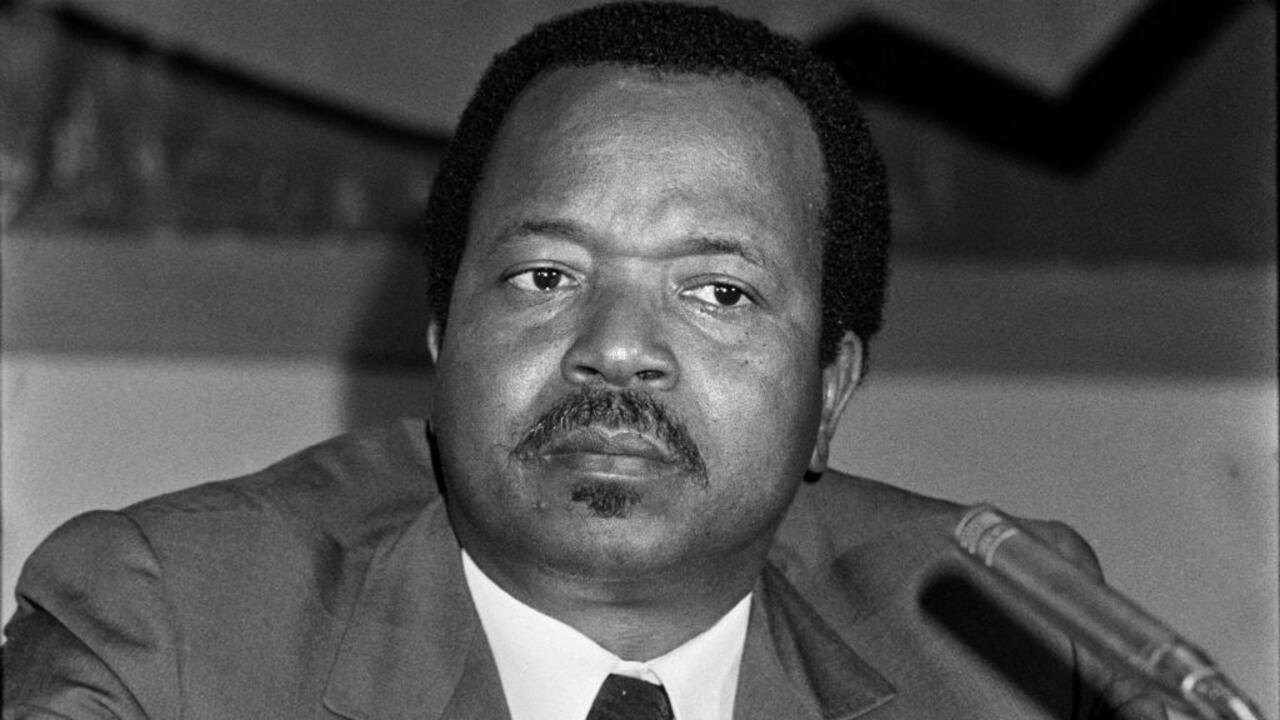
The Social Democratic Front’s Dieudonné Chi has emerged as a vocal advocate for immediate action, arguing that President Paul Biya’s administration has systematically failed to address the crisis despite decades of firsthand involvement. Speaking on the national debate platform, the veteran politician underscored the president’s deep familiarity with the Anglophone problem—from his early role in Ahidjo’s commission to its catastrophic escalation under his own leadership.
From historical grievances to a national fracture
According to Chi, the seeds of today’s turmoil were sown decades ago. The 1972 referendum, which consolidated power in Yaoundé, stripped the Anglophone regions of their federal structure and ignited decades of institutional neglect. Under Biya’s tenure, what began as a political grievance metastasized into armed rebellion, economic paralysis, and social fragmentation.
The human cost has been staggering—entire communities uprooted, children denied education, and livelihoods destroyed. Yet, the response from Yaoundé has been characterized by prolonged silence, contentious military campaigns, and a refusal to acknowledge the depth of public discontent. The crisis, Chi asserts, is not just a regional conflict but a symptom of systemic governance failure that has eroded trust across the entire Cameroonian nation.
Political prisoners: the flashpoint of national reconciliation
At the heart of the current debate lies the issue of political prisoners, particularly those detained in connection with the Anglophone crisis and post-2018 election protests. Chi’s call for their release is framed not as a concession, but as a necessary prerequisite for national healing:
- 44 years of detention under an administration that has repeatedly pledged reform, yet continues to incarcerate citizens for political dissent.
- Thousands of detainees held without fair trial, in facilities described as overcrowded and inhumane.
- A broken electoral system, manipulated to exclude meaningful opposition and stifle consensus.
Chi’s argument is clear: the release of all political detainees—whether from the North-West and South-West regions or those imprisoned after postelection protests—is a moral and strategic imperative. Without it, he warns, the country risks further division, with more citizens abandoning hope in a unified Cameroon.
Can Biya’s legacy be rewritten in his final years?
With the president now in his 90s, the question of legacy looms large. Chi’s message is blunt: Biya must act now if he wishes to be remembered as a leader who chose reconciliation over repression. The call extends beyond the opposition; it targets the president’s inner circle—those who have enabled the status quo through years of silence or complicity.
The stakes could not be higher. The Commonwealth Heads of Government Meeting and African Union summits have increasingly spotlighted Cameroon’s crisis, with international actors urging dialogue and de-escalation. Yet domestic progress depends first on acknowledging the depth of the problem—and releasing those whose only crime was demanding justice.
As the debate intensifies, the nation waits. Will Yaoundé finally heed the warnings of history, or will the cycle of division and repression continue under the weight of unaddressed grievances?