Algeria and UAE tensions escalate amid explosive psychotropic drug allegations
New accusations linking the United Arab Emirates to the financing of psychotropic drug production facilities in eastern Libya have intensified diplomatic friction between Algiers and Abu Dhabi. These claims, if substantiated, could mark a turning point in regional narcotics trafficking—shifting the threat from clandestine networks to industrial-scale operations. Yet the line between verified facts and unproven assertions remains dangerously thin.
From transit hub to production hotspot: the rising threat of Libyan psychotropic labs
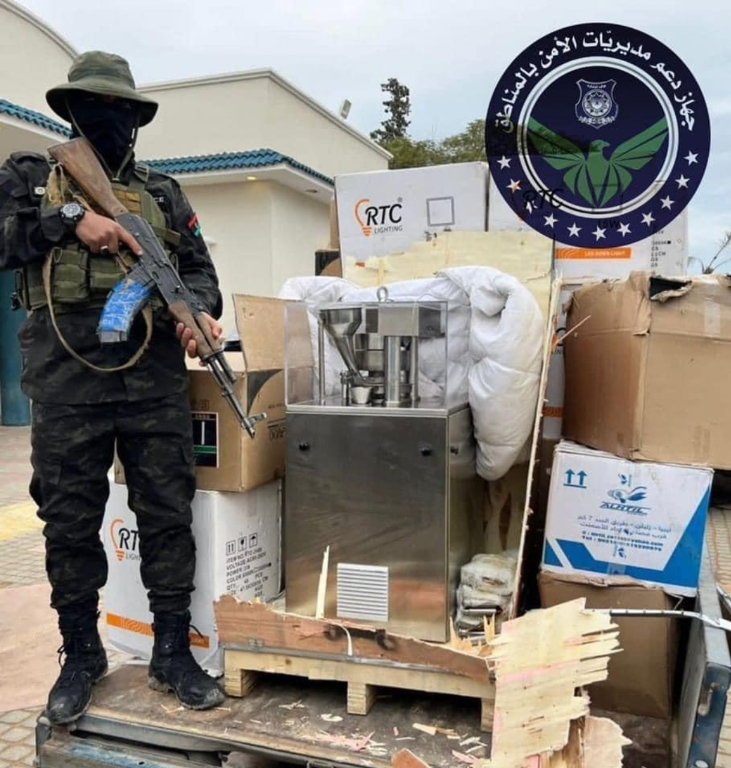
Far from being just a smuggling corridor, Libya has emerged as a significant production center for synthetic drugs. Recent judicial cases have exposed industrial-grade facilities operating in the eastern regions under the influence of Marshal Khalifa Haftar’s forces. For instance, a November 2026 court ruling in Qubbah sentenced six individuals to decades-long prison terms for producing and trafficking Captagon. Surveillance footage from the trial revealed industrial presses, chemical precursors, and bulk quantities of fabricated tablets.
Earlier military operations in Kufra intercepted over 1.3 million Captagon pills—further evidence that Libya is no longer a secondary player in the regional drug trade but a key manufacturer.
UAE ties to Haftar: a shadow over gold and guns—and now drugs?
The question of who backs the facilities in eastern Libya inevitably leads to regional alliances. The UAE has long been linked to Khalifa Haftar through political, financial, and military channels. While the nature of this support remains a subject of debate, the narrative gains urgency as accusations suggest Emirati involvement in psychotropic drug production—raising concerns about deliberate destabilization efforts aimed at Algeria.
However, without verifiable ownership records, financial trails, or documented orders, these accusations remain allegations rather than established facts. Establishing direct responsibility would require tracing the supply chain from raw chemicals to finished products, mapping the smuggling routes across porous borders, and identifying any political or military protections shielding these operations.
Algeria’s breaking point: Tebboune declares war on youth drug crisis
The timing of the accusations couldn’t be more sensitive. Just days before the claims surfaced, Algerian President Abdelmadjid Tebboune publicly labeled the escalating drug influx as an act of war against the nation’s youth. Speaking during the 2026–2027 judicial year opening, he vowed to target production sources using international legal frameworks and legitimate defense mechanisms.
But the president did not name any external actors—leaving diplomatic observers to question whether the surge in drug trafficking is driven by opportunism or orchestrated strategy.
Youth in the crossfire: how synthetic drugs are reshaping Algerian society
The social fallout of this crisis is undeniable. Synthetic psychotropics—whether diverted pharmaceuticals or homemade tablets—are poisoning schools, neighborhoods, and hospitals. Criminal networks exploit youth unemployment and fragile social structures, transforming adolescents into low-cost couriers and street-level dealers. This isn’t just a security issue—it’s a public health catastrophe.
To combat this, Algeria must do more than intercept shipments at checkpoints. It requires international judicial cooperation, financial intelligence to dismantle trafficking accounts, strict regulation of chemical precursors, and robust prevention programs in schools and communities.
Who’s really pulling the strings? The search for concrete evidence
The core question remains unanswered: what entity is financing the Libyan psychotropic production facilities? Proving such a claim would demand:
- Ownership verification: identifying the actual owners and operators of the facilities.
- Financial forensics: tracing funding sources, investment flows, and offshore accounts.
- Equipment audit: determining the origin of industrial machinery, precursors, and technical expertise.
- Network mapping: uncovering the smuggling routes linking Libya to Algerian cities.
- Political audit: examining any connections between producers, armed groups, and regional patrons.
Absent these, the accusations against the UAE resemble a political narrative rather than a proven conspiracy.
A regional powder keg in the making
If future investigations confirm that state actors are bankrolling the production of psychotropic drugs in Libya with the intention of destabilizing Algeria, the diplomatic and security fallout would be severe. The ripple effects could destabilize the Maghreb, strain the African Union’s anti-narcotics efforts, and redraw regional power balances.
So far, confirmed facts include documented drug production in Libya, confirmed smuggling routes into Algeria, and unrelenting social damage. The true masterminds—behind factory walls, in banking centers, or in presidential palaces—remain unknown.
Algeria’s moment of reckoning: sovereignty, security, and the future
Algeria stands at a crossroads. The psychotropic surge threatens not only its borders but its national cohesion. The choice is stark: confront the crisis with limited tools or escalate into a broader regional campaign demanding transparency from allies, adversaries, and every actor in between.
One thing is certain: if this surge is not contained, the cost will be measured in broken lives, lost generations, and fractured trust across North Africa.