Shenzhen, China — A watershed moment in modern diplomacy is unfolding as U.S. President Donald Trump, Chinese President Xi Jinping and Russian President Vladimir Putin gather for a landmark trilateral summit on November 19, 2026. The high-profile meeting, set against the backdrop of the APEC Leaders’ Meeting, signals a potential realignment in global power structures that could redefine international relations for decades to come.
Three leaders, one historic convergence
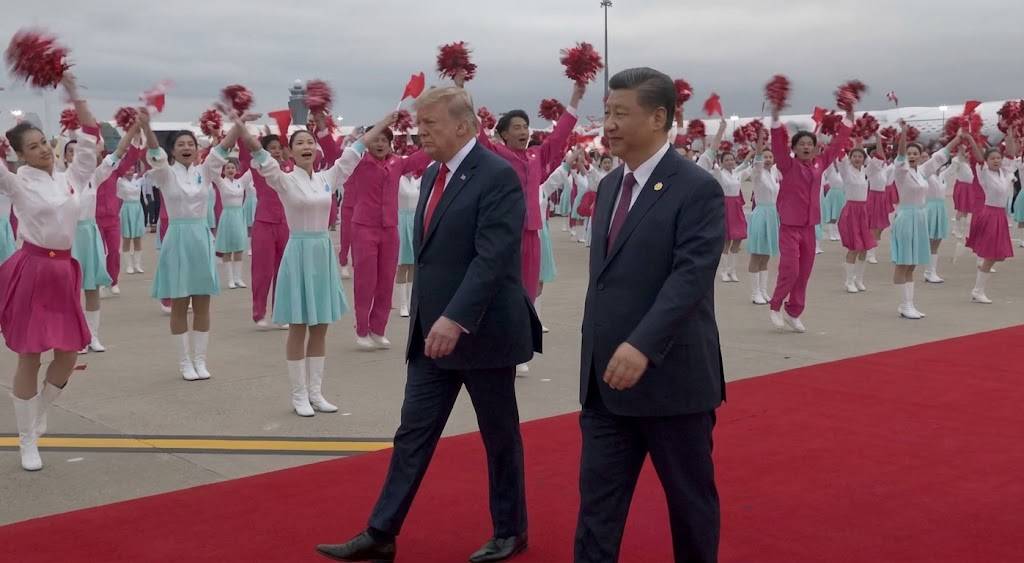
Never before have these three global heavyweights convened at such a high level on Chinese soil. The symbolism of Trump’s arrival in Shenzhen aboard Air Force One underscores the unprecedented nature of this engagement. While the official agenda centers on APEC discussions, all eyes are on the private talks slated between Trump, Xi and Putin—a first-of-its-kind gathering that has already sent shockwaves through diplomatic circles worldwide.
A chessboard of strategic interests
The convergence of the U.S., China and Russia—each wielding immense economic, military and geopolitical influence—creates a unique dynamic. For Trump, the summit represents a critical opportunity to advance American interests, bridge divides with Beijing and Moscow, and push for tangible progress on pressing security challenges.
Xi Jinping, meanwhile, sees this as a chance to solidify China’s stature as a pivotal player in global governance. By hosting two of the world’s most powerful leaders, Beijing is staking its claim to a central role in shaping the rules of international engagement.
For Vladimir Putin, the meeting offers a platform to showcase Russia’s resilience amid Western sanctions and ongoing conflict in Ukraine. The summit could either ease tensions or further entrench divisions, depending on the outcomes.
Critical flashpoints dominating discussions
Nuclear disarmament: A fragile consensus?
With the U.S., China and Russia collectively holding the world’s largest nuclear arsenals, the nuclear question looms large over the talks. Trump’s push for arms reduction remains a contentious yet high-stakes priority—one that could either spur cooperation or expose deep-seated distrust.
Ukraine and Iran: Unresolved conflicts at the table
The war in Ukraine is an inescapable topic, despite starkly opposing positions. Washington is advocating for a diplomatic resolution, while Moscow is pushing its own terms. Beijing, for its part, maintains a delicate balance—strong ties with Moscow while safeguarding its global economic interests.
Similarly, the Middle East—and Iran’s role—could dominate discussions, with implications for regional stability and energy markets.
Trade and technology: The invisible battle
Beneath the diplomatic surface, the clash over trade and technology continues. Restrictions on semiconductor exports, advanced tech transfers and critical resource flows remain flashpoints that could either derail cooperation or force hard compromises.
The dawn of a new world order—or a mirage?
As the international community watches, the Shenzhen summit raises a pivotal question: Can these three titans forge a consensus on the world’s most pressing challenges without sidelining smaller nations? Some analysts draw parallels to the 1945 Yalta Conference, where Roosevelt, Churchill and Stalin reshaped post-war Europe. Yet this analogy is fraught with risk—today’s geopolitical landscape is far more fragmented, and no territorial carve-up is on the table.
Europe, Ukraine, Asia and emerging economies will scrutinize the outcomes closely. While breakthroughs here could set a precedent, they won’t replace the need for inclusive multilateral solutions grounded in international law.
A world holding its breath
The stakes couldn’t be higher. The Shenzhen summit arrives amid escalating geopolitical rivalries, volatile trade wars and shifting alliances. Beyond the photo ops and ceremonial handshakes, the true measure of success will lie in the tangible commitments made—will these leaders translate dialogue into action on nuclear security, economic stability and regional conflicts?
As billions around the globe await the outcome, one thing is clear: the decisions made in Shenzhen could echo far beyond these walls, shaping the future of geopolitics for years to come.