The Thali offshore permit, a long-stalled oil exploration project in Cameroon, has reached a turning point after President Paul Biya’s administration formally endorsed a landmark deal. Tower Resources, the British operator of the permit, confirmed it has secured government approval to divest 42.5% of its stake to Prime Global Energies, an upstream specialist with deep ties to Italy’s Eni Group. The agreement hinges on Prime’s commitment to inject $15 million into the project, earmarked for the Njom-3 appraisal well. Based on the European Central Bank’s reference exchange rate from September 28, 2026, this investment translates to approximately 8.65 billion CFA francs.
The transaction follows the standard farm-out model, where a partner funds a portion of the technical program in exchange for an equity stake. Prime will join Thali as a non-operator, while Tower Resources Cameroon—subsidiary of the London-based group—will retain operational control. This structure aims to provide the financial lifeline Tower desperately needs after years of delays due to budget constraints.
Administrative hurdles delay finalization of the Thali deal
Despite the presidential green light, the deal remains in limbo as key administrative steps are still pending. Tower Resources revealed in its semiannual financial report, published on September 28, that it had received a copy of the presidency’s letter addressed to the Prime Minister’s Office, the Ministry of Mines, Industry and Technological Development (Minmidt), and the National Hydrocarbons Company (SNH). However, the process hinges on Minmidt issuing a formal order extending the initial exploration period and approving the divestment—a step yet to be completed.
The company acknowledged that the timeline for finalization remains uncertain, echoing concerns over the severe delays plaguing the Thali project. Without the infusion of Prime’s $15 million, Tower would have struggled to meet its obligations. The financial strain is evident: as of June 30, 2026, Tower’s cash reserves stood at a mere $66,583, against current liabilities of $2.91 million. The company has yet to generate revenue from oil production.
Njom-3 now targeted for Q2 2027 amid escalating scrutiny
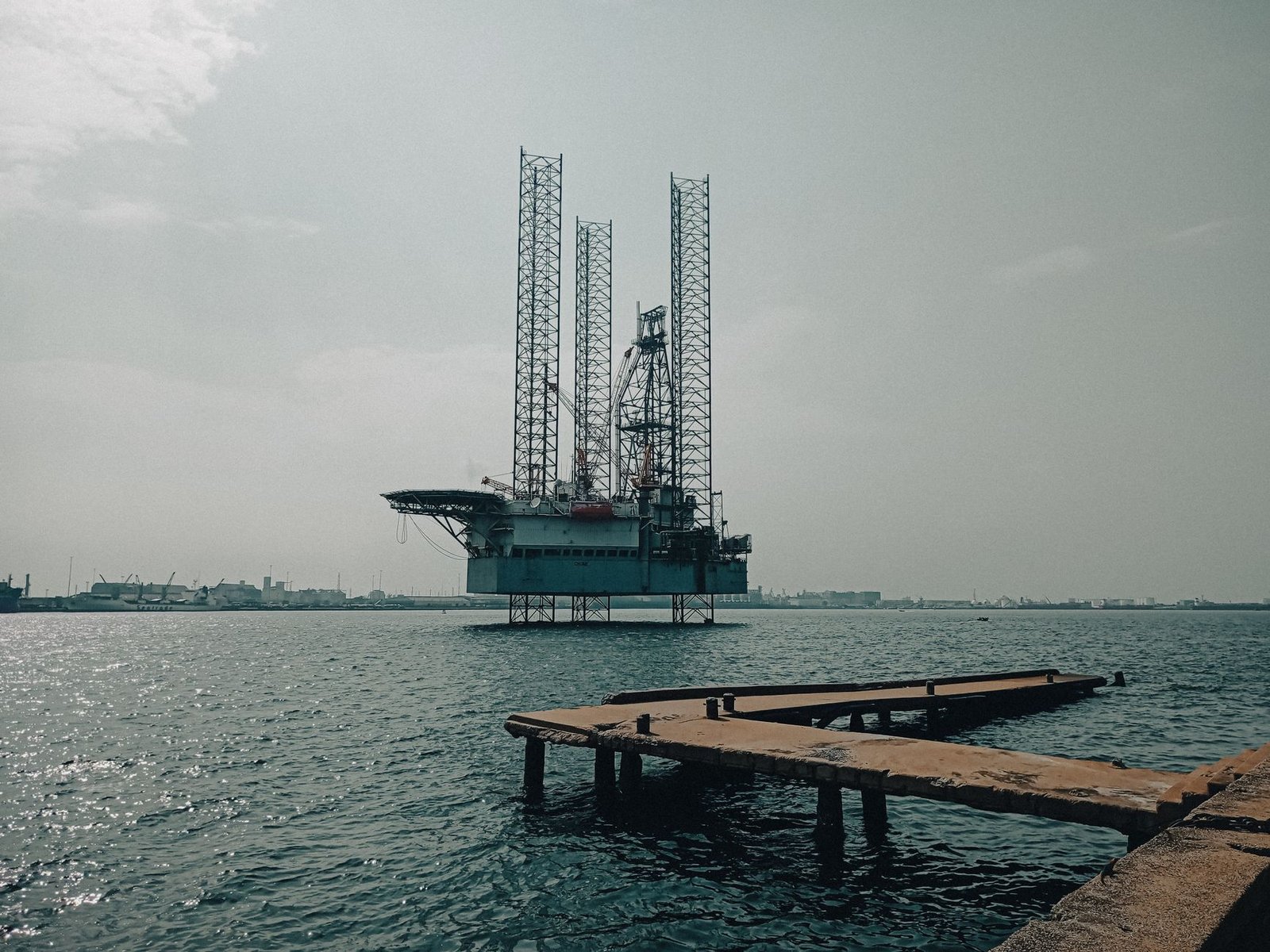
The deal’s primary objective is to secure funding for the Njom-3 appraisal well, the cornerstone of Thali’s next phase. Tower Resources has revised its schedule, pushing the drilling start date to early Q2 2027, potentially as late as April. While an earlier start remains theoretically possible, management has opted for a more conservative estimate amid ongoing uncertainties. Jeremy Asher, Chairman and CEO of Tower Resources, emphasized, “We are currently planning to commence drilling in early Q2 2027.”
The selection of a drilling rig is yet to be finalized, and no further details will be disclosed until a binding contract is signed. Meanwhile, logistical preparations are underway in Douala, where Tower has already stored key equipment, including a well suspension system designed to allow future redeployment for production if appraisal results are successful.
Prime Global Energies’ arrival sparks mixed reactions in Cameroon
Public and industry responses to the agreement have been divided. Advocates argue that Prime’s financial and technical backing could revitalize Cameroon’s stagnant oil sector, especially as Njom-3 holds promise for unlocking new reserves. Critics, however, question why a foreign firm—albeit one with Eni’s backing—has been entrusted with a strategic asset at a time when local stakeholders remain sidelined.
Cameroonian energy analysts highlight that Prime’s track record in upstream operations, particularly its experience in Pakistan under its former name Prime Pakistan Limited, could mitigate risks. Still, the delay in administrative ratification has fueled skepticism about whether the promised investment will materialize in time to prevent further setbacks. The country’s oil ambitions hinge on the Njom-3 outcome, with Shell and other majors watching closely.
What happens next?
The coming months will be pivotal. Minmidt’s approval of the divestment and extension order will signal whether the deal gains full momentum. If successfully finalized, Prime’s $15 million could cover the Njom-3 appraisal costs, while additional funding will likely be required for subsequent phases—including commercial development. For Tower Resources, the pressure is on to demonstrate that this partnership can deliver where others have failed.