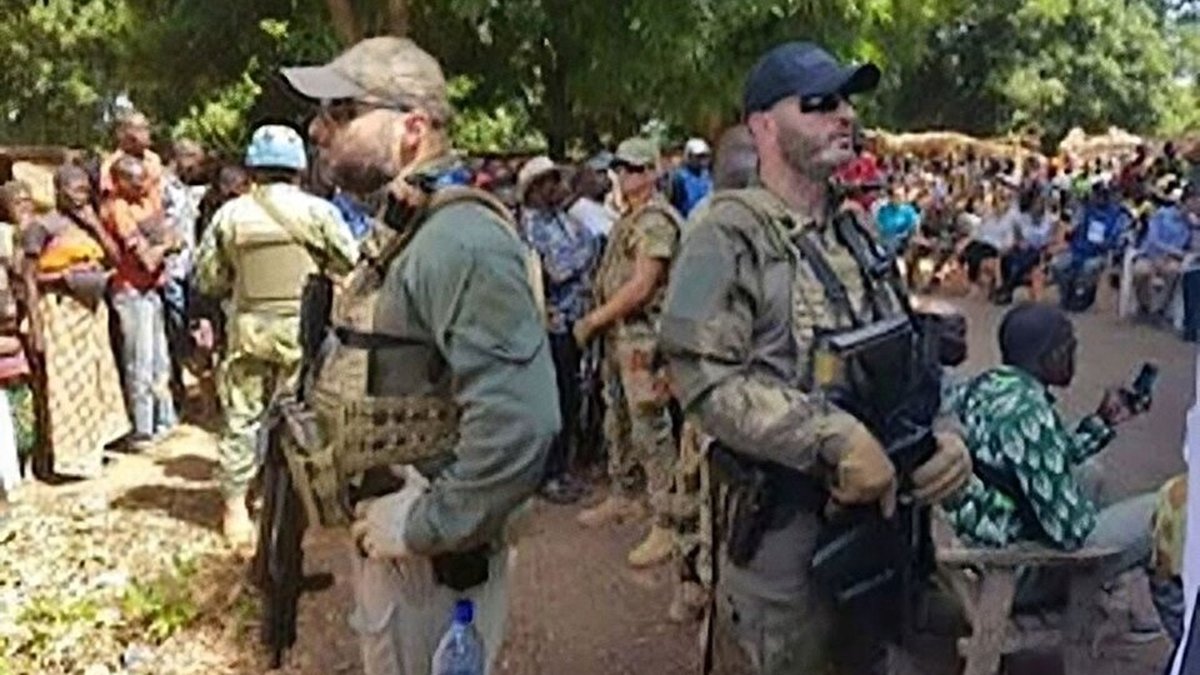
A Centrafrican journalist has been denied asylum in France after revealing the inner workings of Russian disinformation campaigns linked to the Wagner Group. Ephrem Yalike-Ngonzo, who once worked undercover for pro-government media outlets, found refuge in France in 2024 through a special travel permit granted by French authorities.
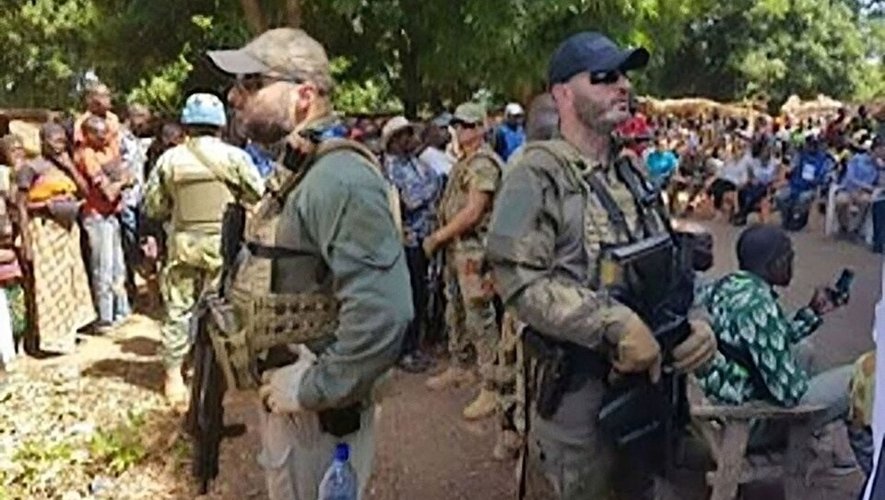
His revelations exposed key figures in Moscow’s propaganda networks operating in Central Africa, including sanctions imposed on Mikhail Prudnikov, a suspected architect of Russian influence campaigns. Despite his critical role in uncovering these operations, Yalike-Ngonzo’s asylum application was denied, sending a chilling message to those fighting against Russian propaganda.
From paid propagandist to whistleblower
Between 2019 and 2023, Yalike-Ngonzo received payments ranging from 15 to 30 euros per article—often a quarter of his monthly salary—to publish content favorable to the Centrafrican military and its Russian allies. His shift from propagandist to whistleblower began after credible death threats from Wagner-affiliated groups forced him into hiding.
In 2024, his testimony became a cornerstone of an international investigation into Russian influence operations in Africa. The revelations led to restrictive measures against Russian operatives, yet Yalike-Ngonzo now faces an uncertain future in France, where his asylum appeal has been filed but may take over a year to resolve.
A family under pressure
While Yalike-Ngonzo remains in protective custody in France with his relatives, his loved ones in Centrafrique are subjected to relentless interrogations. Authorities in Bangui demand they disclose his whereabouts, increasing the risk for anyone connected to him. With no immediate resolution in sight, the journalist’s legal team warns that the rejection sets a dangerous precedent for other would-be whistleblowers in the region.