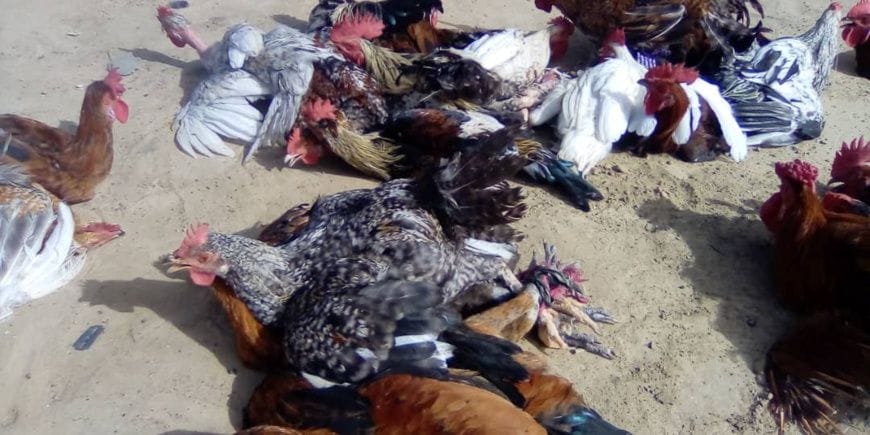
Chad: soaring poultry prices hit households and traders in Ati
The sharp increase in poultry prices in Ati is straining households, traders, and farmers, raising concerns about food security and the local economy. Urgent measures are being sought to stabilize the market.
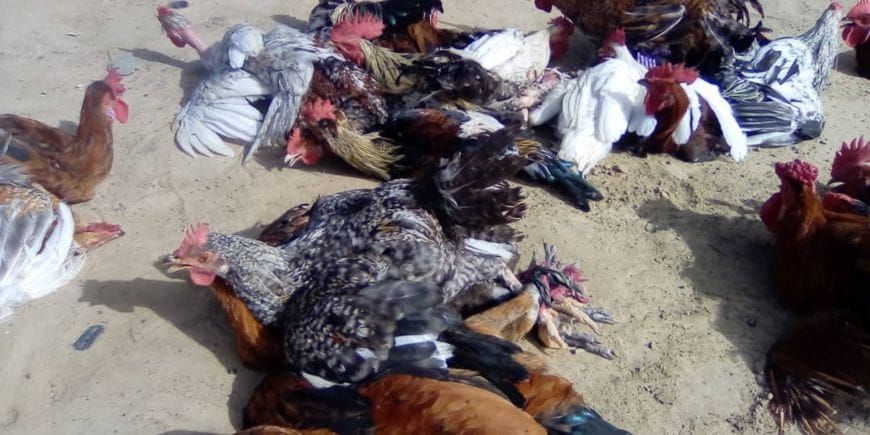
Households forced to adjust their diets
For many families in Ati, poultry has become a rare luxury. The price surge coincides with a broader rise in living costs, further squeezing household budgets. Amina Mahamat, a mother of five, shares her struggle: “Previously, we could afford chicken once a week for the children. Now, it’s a rare treat. We’re shifting to cheaper foods.”
As poultry prices climb, protein-rich meals are disappearing from dinner tables. Chicken, once a staple for affordable animal protein, is being replaced by less nutritious alternatives. The impact extends beyond meals—it affects nutrition, especially for children and vulnerable groups.
Traders face dwindling sales despite higher prices
At the central market of Ati, the atmosphere is subdued. Traders report that rising prices haven’t translated into higher earnings. “Customers negotiate endlessly, and many leave empty-handed,” says Issa Hassan, a poultry vendor with over a decade of experience.
Restaurant owners and grilled meat sellers are equally affected. To stay afloat, some have raised meal prices or reduced portion sizes, risking a drop in customer loyalty.
Farmers grapple with rising production costs
While consumers complain about high prices, farmers point to their own struggles. Rising costs for feed, veterinary supplies, and transport are squeezing margins. Add to that seasonal challenges like water shortages and pasture scarcity, as well as disease outbreaks that devastate flocks. “Our expenses keep climbing, forcing us to charge more just to break even,” explains Abakar Abdoulaye, a local poultry farmer.
Local economy under strain
The ripple effects of the poultry price surge are felt across the region. Transport workers, livestock feed suppliers, restaurateurs, and small traders all report dwindling business. Some estimates suggest poultry sales have dropped by 20-30% compared to last year, though official data is needed to confirm the trend.
Economists warn that when food prices rise and consumption falls, the entire local economy suffers. Reduced spending power hits small businesses and household incomes alike, creating a cycle of economic strain.
Calls for immediate action
Local leaders and community members are urging authorities and development partners to intervene. Proposed solutions include:
- Subsidizing affordable poultry feed to reduce production costs.
- Strengthening veterinary services and vaccination campaigns.
- Providing financing options for small-scale farmers.
- Offering technical support to improve poultry farming practices.
These steps could help boost supply, stabilize prices, and safeguard food security in the Batha region. Without intervention, the situation risks worsening, deepening poverty and undermining economic progress.
A growing concern for Chad
The poultry price crisis in Ati highlights the broader challenges faced by households across Chad amid rising living costs. Access to affordable, nutritious food is becoming a daily struggle, making price control for essential goods a critical priority for local and national leaders.