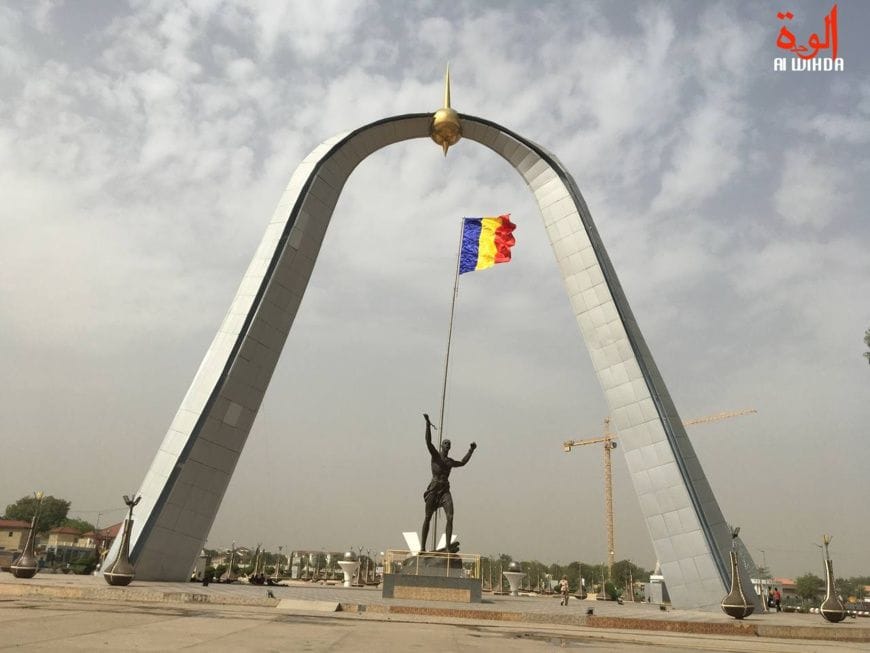
Chad’s governance crisis: where divine justice meets public mismanagement
When faith becomes a shield for failure, how can Chad’s leaders justify their stewardship?
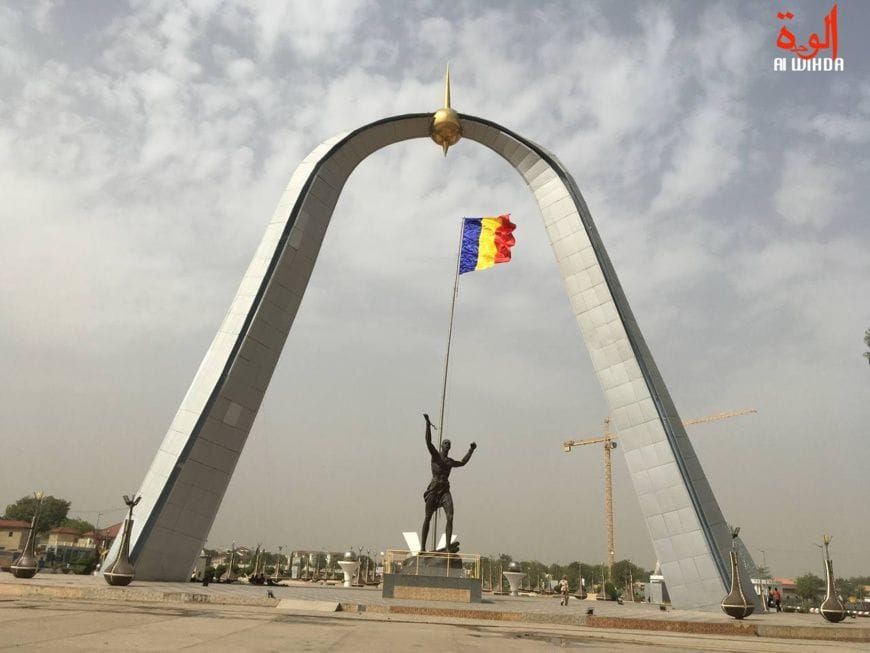
Recent statements from Chad’s leadership, attributing state failures to divine will and invoking religious fear to control citizens, ring hollow against the backdrop of everyday hardships. In Chad, faith and spirituality have long been pillars of resilience for its people. Yet when these sacred values are weaponized to obscure systemic governance, economic, and institutional failures, it demands scrutiny from even the most patient observer.
Governance rooted in anything but the people’s will cannot claim moral legitimacy. Chad’s 2024 presidential election, widely seen as a flawed process, shattered public trust. Disputed official results, independent observer reports, and the tragic loss of lives during post-election unrest exposed a system designed to entrench power rather than reflect the people’s voice. The demand for electoral reform has never been more urgent.
For appeals to divine justice to resonate, they must be paired with absolute transparency in electoral processes. Upcoming legislative and local elections will serve as a critical test. Without a complete overhaul of the electoral body and the publication of results polling station by polling station, democratic transition will remain a distant promise.
The 2024 election debacle has eroded trust irreparably. Citizens now demand nothing short of a total reform of the electoral register and a restructuring of the electoral commission for future legislative polls—if the leadership genuinely values truth over rhetoric.
State nepotism vs. republican fairness
Divine justice abhors favoritism, corruption, and inequality. Yet Chad’s current administration stands accused of institutionalized nepotism, particularly in high-level appointments within state institutions, financial regulators, and security forces. Technical competence is routinely sacrificed at the altar of regional, clan, or family affiliations. Meritocracy is a fading ideal. Young graduates without political connections face unemployment, while lucrative positions—where critical revenues from oil and customs are managed—are handed to loyalists as personal favors. This systemic injustice fuels resentment and undermines national stability.
Collapsing infrastructure: a failure of leadership
Framing daily deprivations as divine tests amounts to political cynicism. Chad’s crumbling basic services are not a matter of fate but of leadership incompetence.
The energy crisis in N’Djamena is no act of God. Frequent blackouts have turned electricity into a scarce commodity, while a recent fire at a major power plant has deepened the crisis. Hospitals and businesses reel under the strain. In Abéché, Sarh, and Moundou, water shortages persist despite Chad’s abundant natural water reserves. Access to clean water remains a daily struggle—not because of divine will, but due to administrative negligence.
Petroleum and gold revenues, meant for national development, are being siphoned off to benefit a select few, leaving essential infrastructure projects underfunded. Can divine justice truly condone such plunder in the name of honor?
Chadians no longer settle for hollow moral appeals or unfulfilled promises. They demand credible institutions, functional public services, and inclusive governance. Only when leaders deliver tangible improvements in daily life can their commitment to truth and justice be measured.

More Stories
Bambali’s hidden play: how Sonko’s 2029 tease reshaped Senegal’s political lens
Behind the Bambali agro-industrial park launch: what Sonko and Mané’s vision reveals about Senegal’s rural transformation
Senegal’s upcoming local elections: what is Diomaye Faye hiding about the 2027 vote?