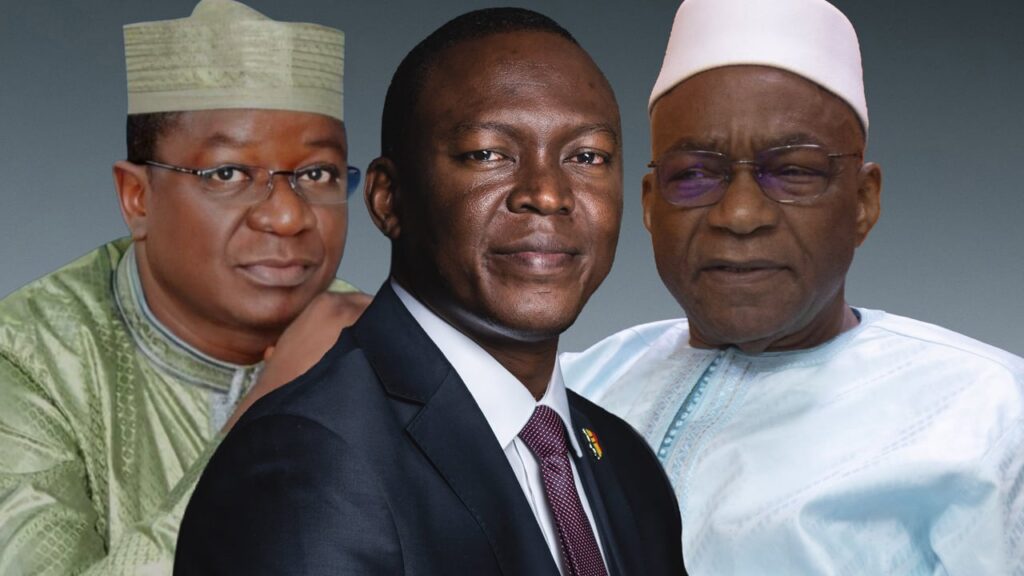

In Chad, political opposition faces mounting challenges under the leadership of Mahamat Idriss Déby Itno, struggling to establish a cohesive presence against his firm grip on power. Fractures within opposition ranks, combined with state repression, have left leaders like Albert Pahimi Padacké, Succès Masra, and Saleh Kebzabo navigating a precarious landscape.
Opposition fractured by internal divisions
The opposition bloc in Chad is far from united, with key figures often at odds over strategy and leadership. While some factions advocate for dialogue with the transitional government, others remain firmly opposed to any engagement, fearing it could legitimize Déby Itno’s rule. These divisions have weakened their collective bargaining power, leaving them in a vulnerable position.
State repression stifles dissent
Government crackdowns on protests and dissent have intensified, making it increasingly difficult for opposition voices to gain traction. Security forces frequently disperse demonstrations, while activists and leaders face arrests, intimidation, or worse. The climate of fear has silenced many, forcing others to operate covertly or flee the country.
Mahamat Idriss Déby Itno’s firm control
Since assuming power in 2021, Mahamat Idriss Déby Itno has consolidated authority through a mix of military backing and strategic alliances. His transitional government has rolled back civil liberties, restricted media freedoms, and sidelined political rivals. Despite international criticism, his administration continues to tighten its hold on Chad’s political scene.
Key opposition figures under pressure
- Albert Pahimi Padacké: A former prime minister, he has faced both legal and political challenges, with his party’s influence steadily eroding.
- Succès Masra: His call for reform has drawn both support and harsh repression, including restrictions on his movement.
- Saleh Kebzabo: Once a prominent voice in Chadian politics, his influence has waned as the government tightens its grip.
Can the opposition regroup?
For the opposition to regain relevance, it must overcome its internal rifts and find a unified stance. However, with state institutions heavily influenced by Déby Itno’s allies, the path forward remains steep. Whether through mass mobilization or international pressure, the opposition’s survival may depend on strategies yet to be tested.

More Stories
Behind the Bambali agro-industrial park launch: what Sonko and Mané’s vision reveals about Senegal’s rural transformation
Senegal’s upcoming local elections: what is Diomaye Faye hiding about the 2027 vote?
Senegal’s shadow budget: why unchecked special funds drain public trust and budgets