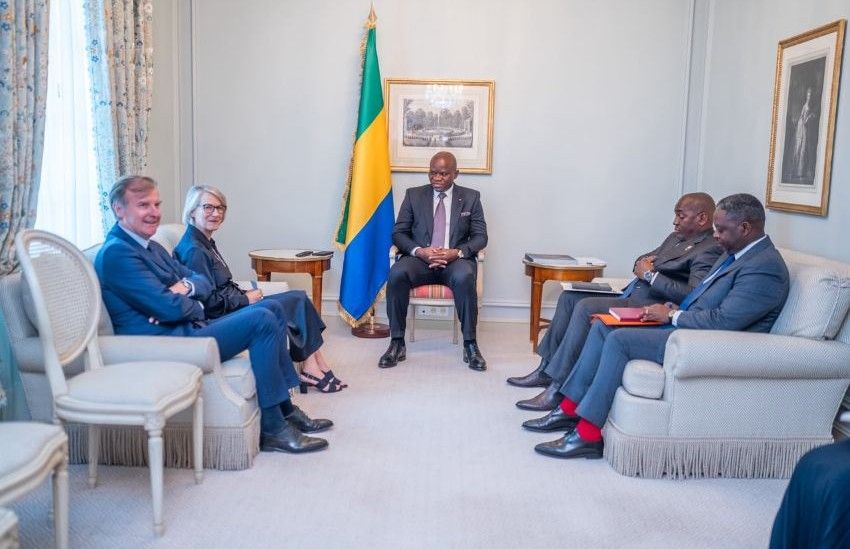
Gabon economic outcomes from Paris state visit under scrutiny
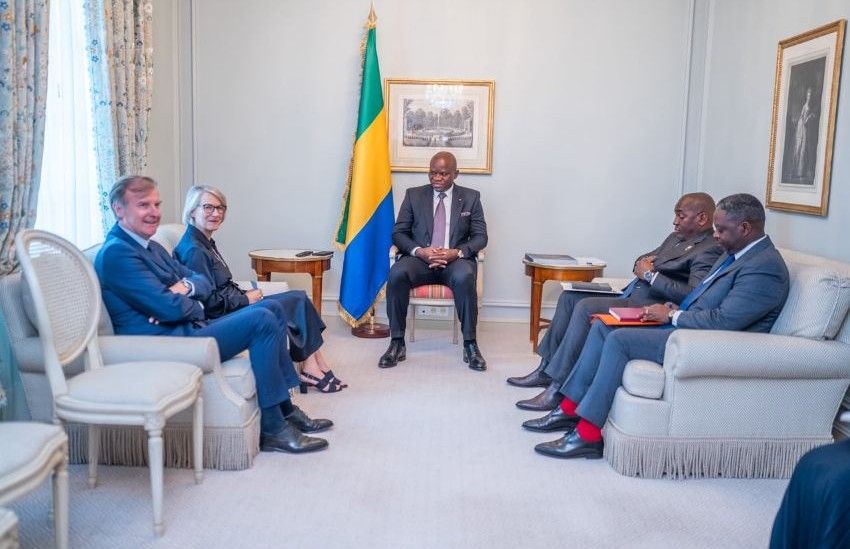
Libreville — The state visit of Gabon’s leader Brice Clotaire Oligui Nguema to Paris from July 19 to 22, 2026, extended far beyond diplomatic courtesies and ceremonial events. While military honors at Les Invalides and the Élysée banquet captured headlines, the true objective lay elsewhere: securing tangible economic commitments that could reshape Gabon’s development trajectory.
With a delegation of over 80 officials and business leaders, Libreville’s agenda focused on forging partnerships that deliver measurable benefits to Gabonese citizens. The question now is clear: after the high-profile meetings with French corporate leaders, what concrete progress can the people of Gabon expect?
The presidential delegation engaged with key French industry figures, though many details of these discussions had previously remained undisclosed. Now, the scope of talks—spanning aviation, mining, and energy—has come into sharper focus, revealing both opportunities and unanswered questions.
Air connectivity and manganese: transforming Gabon’s economic backbone
The visit kicked off on July 19 with a meeting between President Oligui Nguema and Anne Rigail, CEO of Air France. The airline’s role in Gabon’s aviation sector is far from trivial. Air France and Fly Gabon already maintain commercial ties, and discussions centered on finalizing a codeshare agreement before the end of 2026. If implemented, this partnership would allow Fly Gabon to market flights to Paris under its own airline code—a move that could significantly boost the country’s air travel accessibility.
While no definitive agreement was signed during the visit, the timeline remains ambitious. For Gabon, improved air connectivity is not just about tourism; it’s about enabling business travel, attracting investment, and fostering knowledge exchange. The success of this initiative will hinge on whether the proposed codeshare agreement materializes as promised.
The following day at the Élysée Palace, mining took center stage. French multinational Eramet, through its subsidiary Comilog, engaged Gabonese authorities on a roadmap for local manganese processing. Under the leadership of CEO Christel Bories, Eramet outlined a collaborative plan that includes ambitions to process up to 700,000 metric tons of manganese locally by the end of 2031.
Key components of the agreement include establishing a ‘Made in Gabon’ fund and developing a biocharcoal industry. However, it’s critical to note that this framework remains a work in progress—far from a finalized investment commitment. For Gabonese citizens, the difference is stark: real economic transformation will only occur once studies are completed, financing is secured, and infrastructure development begins.
Energy and water: critical infrastructure priorities
Energy security emerged as another pivotal topic during the visit. Gabon’s state-owned utility Gabon Power Company, alongside EDF Power Solutions, formalized discussions around the Booué hydroelectric project on the Ogooué River. The proposed 400-megawatt facility addresses a pressing imbalance: while Gabon boasts substantial hydroelectric potential, current production hovers around 700 megawatts against a demand exceeding 1,000 megawatts.
The agreement signed in Paris sets a deadline of October 31 for partners to finalize development terms. Monthly meetings will track progress, making this timeline a critical test of commitment. Additionally, the Omega Consortium, specializing in water and electricity infrastructure, held talks with the president to explore ways to expand access to essential services nationwide.
What Gabonese citizens demand: action over announcements
The Paris visit succeeded in identifying partners, setting deadlines, and outlining ambitious projects. Yet the real measure of its success will be in what follows. Gabonese citizens are not concerned with the names of CEOs or the number of meetings held; they want tangible results: jobs, reliable electricity, improved water networks, enhanced mobility, and greater domestic value addition.
Three key milestones will determine whether the visit translates into real progress. First, the October 31 deadline for the Booué hydroelectric project will reveal whether partners can move from dialogue to action. Second, the anticipated codeshare agreement with Air France by year-end could transform Gabon’s aviation landscape. Third, the evolution of Eramet’s manganese processing roadmap will indicate whether Gabon can break free from exporting raw materials and begin capturing more value locally.
Diplomatic engagement, while essential, must ultimately be judged by its ability to improve daily life. The Paris visit has set the stage, but Gabon’s economic future will be shaped by the speed and scale of implementation. The coming months will test whether these ambitious plans translate into lasting change for the Gabonese people.



More Stories
Mali’s war of narratives: how a once-neutral news site became a megaphone for official military spin
Senegal’s palm oil revival: how Jakarta’s expertise could end a decade of stagnation
Behind the scenes: how Gabon is reshaping EU fishing talks for stronger sovereignty