Congo’s civil protection shake-up: what happens next after the national simulation exercise
The dust has barely settled on Kinshasa’s recent multi-hazard simulation exercise, and already the Democratic Republic of the Congo is facing scrutiny over its civil protection reforms. As stakeholders dissect the outcomes and public debate intensifies, the question on everyone’s lips is clear: what comes next for the DRC’s disaster resilience strategy?
From simulation to action: the government’s civil protection roadmap
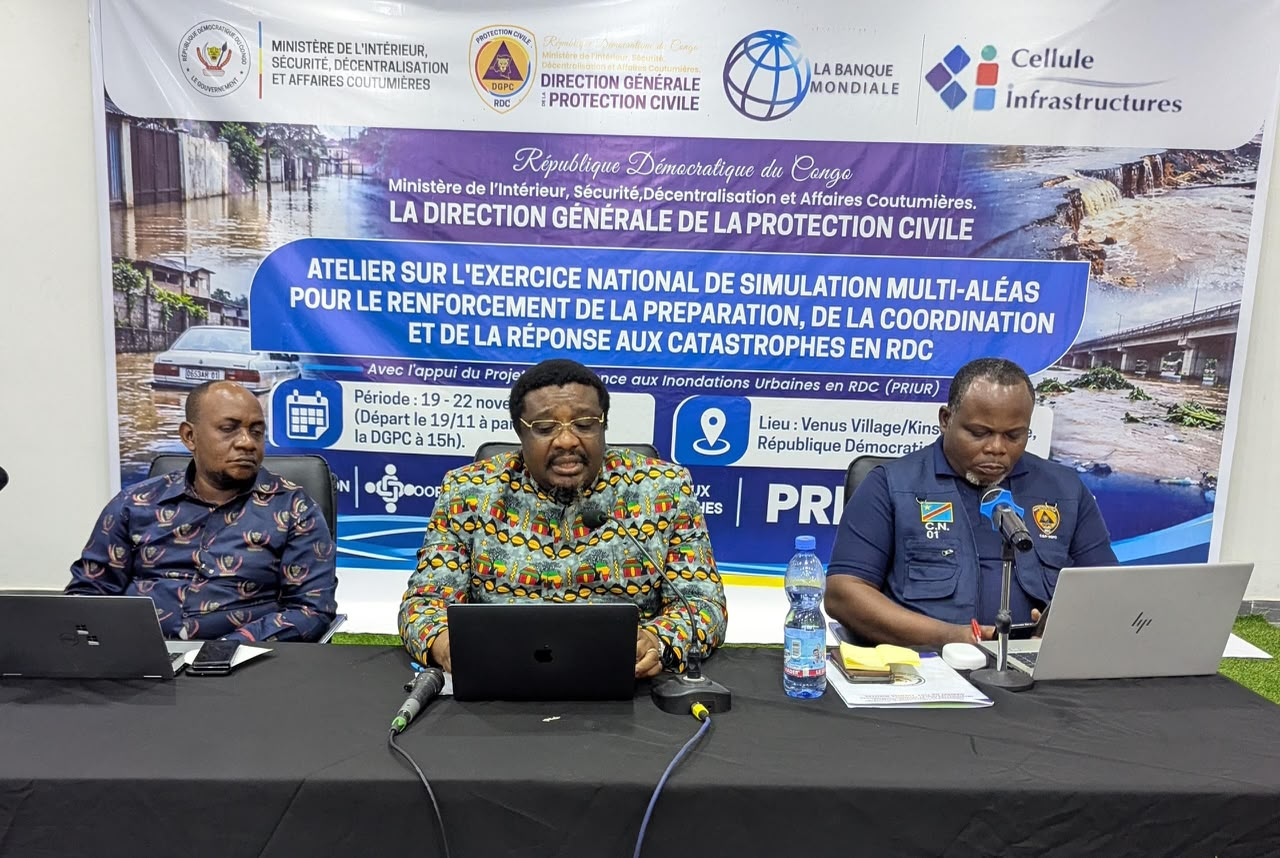
The three-day national drill, held to test the country’s preparedness for floods, landslides, fires, and extreme weather, has exposed both strengths and gaps in the system. Speaking at the closing ceremony, Joseph Nkinzo, Director-General of the Civil Protection Directorate (DGPC), framed the exercise as more than a technical drill—it was a defining moment for state accountability.
Addressing journalists and emergency responders, Nkinzo emphasized that civil protection is not an administrative duty, but a constitutional obligation. He linked the initiative directly to President Félix Tshisekedi’s vision of a “more stable and safer Congo”, where human security is paramount. The simulation, he noted, was designed to benchmark the country’s progress toward a national integrated risk management system—one that prioritizes prevention, early warning, and rapid response.
The Director-General outlined a phased approach: strengthening institutional coordination, clarifying roles across agencies, and integrating El Niño risk scenarios into national planning. The goal? To move from reactive disaster management to proactive risk reduction.
Public debate heats up: who is responsible when disasters strike?
The exercise has ignited a broader conversation about the DRC’s disaster preparedness. Citizens, activists, and local leaders are questioning whether the current system—often criticized for inefficiency and fragmented response—can truly protect communities. Social media platforms are abuzz with calls for transparency, with some questioning whether the simulation’s findings will lead to concrete policy changes.
Critics argue that without sustained investment in infrastructure, training, and public awareness, the country remains vulnerable. Others point to the absence of a unified early warning system as a critical flaw. The debate extends beyond technical solutions: it touches on governance, resource allocation, and public trust—all central to the country’s stability.
Nkinzo acknowledged these concerns in his closing remarks, stressing that no single agency can shoulder the burden alone. He called for a collective effort—where government, local authorities, NGOs, and communities work in tandem. “Disaster management is not the work of one institution,” he said. “It is a shared responsibility.”
Banking on partnerships: the role of international aid
The Civil Protection Directorate has also highlighted the vital role of external partners, particularly the World Bank through its Urban Flood Resilience Project in the DRC (PRIUR). The project has provided critical support in building institutional capacity, from flood risk mapping to emergency response drills.
Nkinzo expressed gratitude for this collaboration, describing it as “a catalyst for sustainable change”. The partnership has enabled the DRC to pilot innovative approaches, such as community-based flood early warning systems. Yet, he warned that long-term resilience requires deeper engagement—one that goes beyond short-term funding cycles.
Looking ahead, he outlined key deliverables from the simulation: a National Integrated Flood Preparedness and Response Plan, clearer resource allocation, and a timeline for implementation. These outcomes, he said, are essential to bridging the gap between policy and practice.
What the public can expect next
With the simulation now complete, the focus shifts to implementation. The government has indicated it will publish a comprehensive disaster risk reduction strategy in the coming months, incorporating lessons learned from the exercise. This strategy will likely include:
- Expanded public awareness campaigns, targeting high-risk communities in Kinshasa and beyond
- Strengthened coordination mechanisms, led by the DGPC and the National Disaster Risk Management Platform
- Pilot programs for community-led risk assessment, designed to empower local populations in hazard identification and response
- A review of funding mechanisms, ensuring that disaster preparedness is embedded in national budgets
The Director-General urged citizens to stay informed and participate in upcoming consultations. “Every voice matters,” he said. “From farmers to urban dwellers, your insights will shape how the DRC builds resilience for the future.”
Beyond the drill: a turning point for Congo’s disaster response
The national simulation may have been a technical exercise, but its implications are deeply political. It has exposed the urgency of reform, the need for collaboration, and the moral imperative to protect lives. As the DRC navigates this critical phase, one thing is clear: the road to resilience is long, but the first steps have been taken.
Now, the real test begins.