
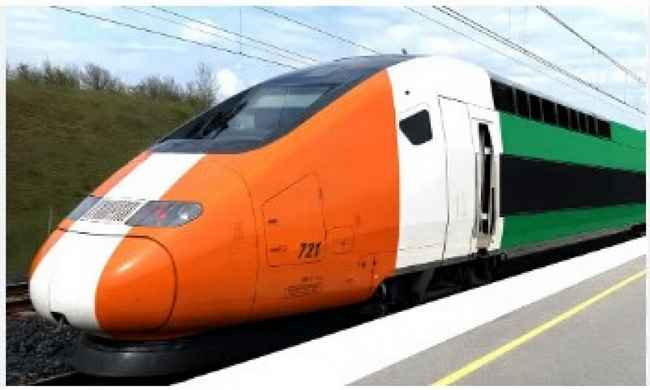
The Côte d’Ivoire government is advancing plans to develop a high-speed rail network, positioning the country as a potential leader in West African rail innovation. This ambitious project aims to link Abidjan, the nation’s bustling economic center, to Yamoussoukro, the administrative capital, in under an hour.
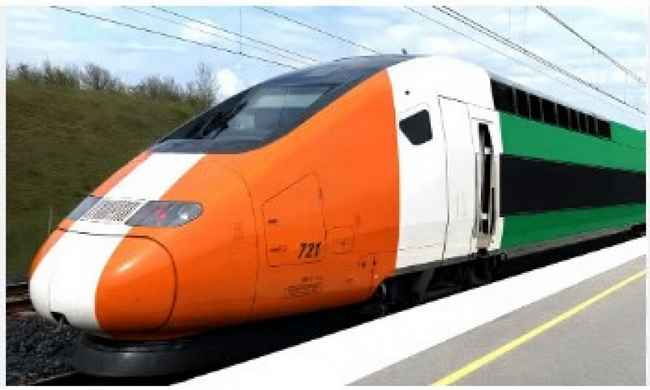
Currently, the journey between these two cities takes nearly three hours by road. The proposed 640-kilometer line would reduce travel time to just 45 minutes, significantly improving connectivity and economic efficiency. Beyond these major cities, the rail network would extend northward, serving key urban centers such as Bouaké, the country’s second-largest city, as well as Korhogo and Ferkessédougou.
The project is part of a broader national development strategy, with feasibility and financing studies already underway. Government officials highlight the dual benefits of this initiative: boosting the appeal of Yamoussoukro while alleviating congestion and housing pressures in Abidjan. Additionally, the high-speed rail could play a strategic role if Côte d’Ivoire pursues a bid to host the 2038 FIFA World Cup, though competition from other African nations like Morocco, which is hosting the 2030 tournament, may pose challenges.
Transforming Côte d’Ivoire through modern infrastructure
The high-speed rail project is a cornerstone of Côte d’Ivoire’s 2026-2030 National Development Program, which allocates €175 billion toward economic growth and infrastructure. This vision, championed by Prime Minister Robert Beugré Mambé and President Alassane Ouattara, also includes the development of a new metro system for Abidjan by 2029, the expansion of road networks with over 1,000 kilometers of new highways, and the construction of two international airports in San Pedro and Bondoukou.
These initiatives collectively aim to modernize the country’s infrastructure, fostering economic diversification and enhancing regional connectivity. The high-speed rail, in particular, is expected to serve as a symbol of Côte d’Ivoire’s progress, reflecting its commitment to innovation and sustainable development.
More Stories
Mamadi Doumbouya de retour à Conakry après sa visite d’État en Côte d’Ivoire
Elversberg vs Bayern Munich: where to watch the Bundesliga clash
Mali: près de 80 soldats tués dans l’attaque de Dioura