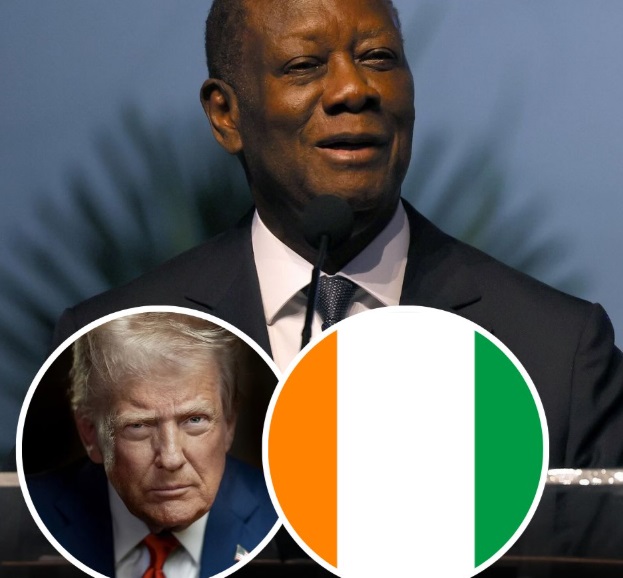
The government of Côte d’Ivoire has publicly rejected a recent proposal from the United States to accept foreign nationals who have been deported from American soil, despite not being Ivorian citizens. This stance comes amid heated discussions following revelations of Washington’s expanding third-country deportation policies under President Trump’s administration.
In mid-June 2026, a senior official from the U.S. Department of State visited Abidjan as part of a diplomatic tour targeting West and Central African nations. Christian Ehrhardt, head of the State Department’s Office of Remigration, sought to negotiate agreements for the reception of expelled individuals—many of whom have no prior ties to the host countries.
According to insider reports, these negotiations in Côte d’Ivoire did not reach a conclusion. Local authorities confirmed no agreement had been struck, leaving the proposed arrangement officially on the table but ultimately declined.
Washington’s controversial third-country deportation strategy
The U.S. administration has been pushing an aggressive deportation policy that allows for the removal of individuals to countries with which they have no citizenship or historical connection. As of June 2026, the Department of State had allocated or earmarked over $410 million to secure such agreements with 31 countries, primarily in Africa and Latin America.
Since 2025, more than 25,000 people have reportedly been deported to at least 28 third countries under this framework. While some governments have accepted these deportations in exchange for financial incentives or other forms of assistance, Côte d’Ivoire has joined a smaller group of nations that have resisted the pressure.
Public backlash and legal challenges complicate the U.S. approach
Human rights organizations and legal advocates have sharply criticized the policy, raising concerns over the lack of safeguards for individuals facing deportation to unfamiliar countries. These concerns have reached U.S. courts, with a federal appeals court ruling in September 2026 that the policy was unlawful due to insufficient protections for deportees.
Despite this legal setback, the Trump administration signaled its intention to appeal the decision before the Supreme Court. The outcome of this legal battle could have far-reaching implications for the future of third-country deportations.
Côte d’Ivoire’s refusal highlights regional tensions over sovereignty and migration
Abidjan’s decision to reject the proposal underscores a growing reluctance among some African nations to participate in what many view as an imposition of external migration policies. The move has sparked debate across the continent about the limits of sovereign authority in the face of foreign pressure.
While several countries have accepted financial incentives in exchange for cooperation, Côte d’Ivoire has made clear that its priorities lie elsewhere. Officials have not publicly detailed their concerns, but the refusal aligns with broader regional sentiments regarding migration governance and national autonomy.
The fallout from this decision is expected to fuel ongoing discussions about the ethics and legality of third-country deportations, as well as the responsibilities of nations in managing migration flows under international law.