Côte d’Ivoire takes a significant step towards professionalizing domestic work
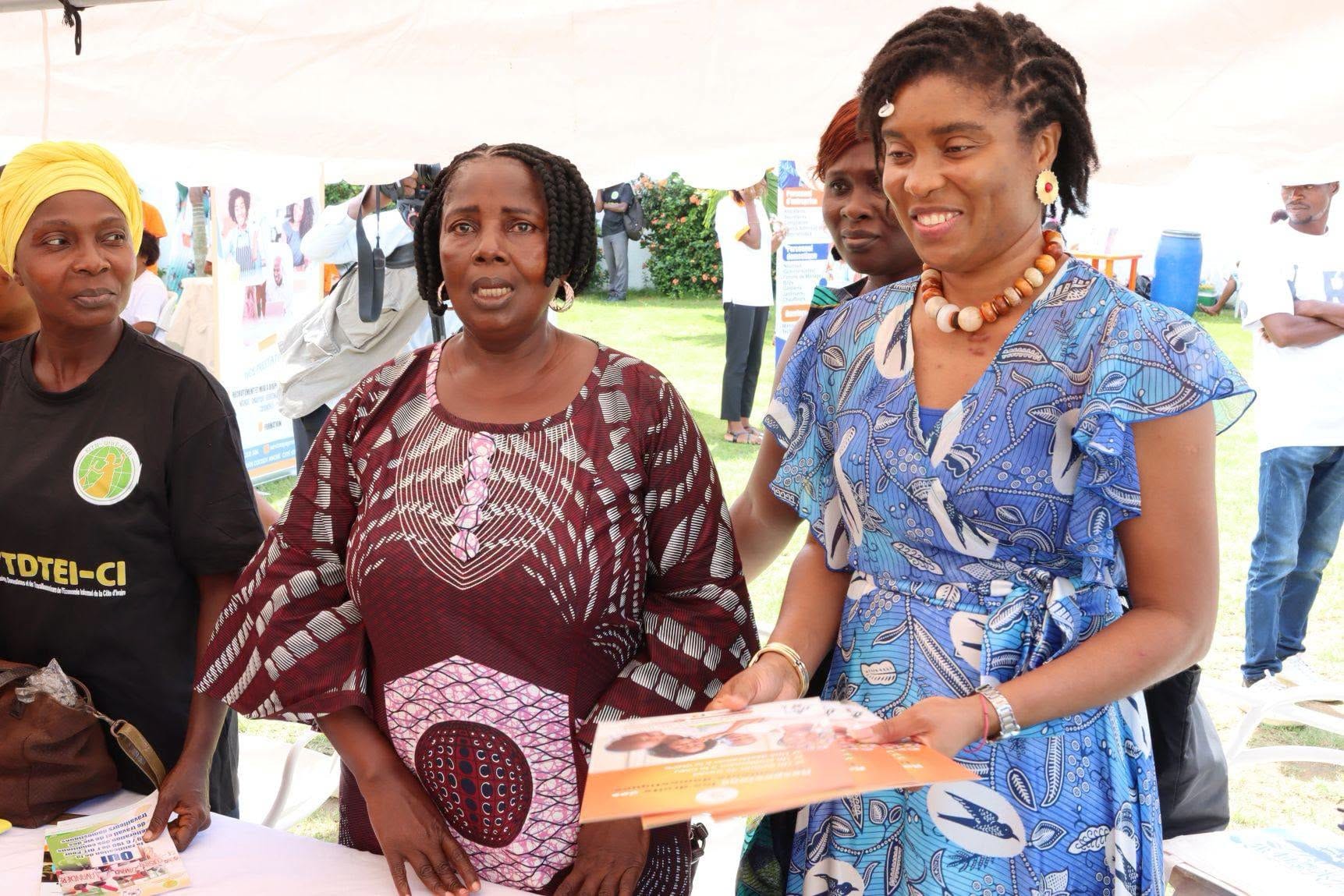
The Ivorian government has strongly reaffirmed its dedication to formalizing and professionalizing the domestic work sector, a vital component of the national economy and crucial for countless households across Côte d’Ivoire. The inaugural DOMEX Awards 2026 recently highlighted this commitment, signaling a significant turning point in recognizing and formalizing this essential field.
The Ivorian government has strongly reaffirmed its dedication to formalizing and professionalizing the domestic work sector, a vital component of the national economy and crucial for countless households across Côte d’Ivoire.
Maurice Grah, serving as the Deputy Director of Social Security Studies and Development and representing the Minister of Employment, Social Protection, and Professional Training, reiterated this profound commitment on Tuesday, June 16, 2026. Speaking in Abidjan-Cocody during the first-ever DOMEX Awards, an event coinciding with the International Domestic Workers’ Day, he emphasized the government’s forward-looking vision.
The DOMEX Awards 2026, an initiative by Aurée Services and the Ivorian Association of Private Employment Agencies (AIAEP), are designed to bolster national efforts aimed at professionalizing and formalizing the domestic sector. This aligns seamlessly with the principles of decent work championed by the International Labour Organization (ILO). The ceremony also commemorated the 15th anniversary of ILO Convention No. 189, which officially came into force in Côte d’Ivoire in 2026, following its ratification in April 2025.
« For an extended period, domestic work remained largely unrecognized and predominantly informal, leaving numerous workers vulnerable to precarious conditions and lacking social protection, » Maurice Grah highlighted during his address.
He recalled that the Ivorian government has enshrined decent work, social inclusion, and the expansion of social protection as paramount national priorities. This resolve culminated in the ratification of Convention No. 189, which now guarantees domestic workers the same fundamental rights as other employees.
With invaluable support from the ILO and various social partners, Côte d’Ivoire has already embarked on several key initiatives. These include a comprehensive national study on the sector in 2024, the development of ten essential training and certification frameworks in 2025, and ongoing efforts to establish a specific regulatory framework. This framework will encompass a standard contract, a professional classification system, and a salary grid, all meticulously aligned with decent work principles.
According to the representative of Minister Adama Kamara, these concerted initiatives clearly demonstrate the government’s unwavering desire to sustainably improve the living and working conditions of all stakeholders within this critical sector.
Noëlie Kotty, National Coordinator of the AGRIDOM project and speaking on behalf of the ILO Country Director, lauded the ratification of Convention No. 189 and the commendable progress made in formalizing the sector. She underscored that the DOMEX Awards present a significant opportunity to celebrate the invaluable contributions of domestic workers while vigorously advocating for the strengthening of their rights.
Annick Désirée Dogba, Founder and President of the Association of Household Personnel, for her part, issued a heartfelt plea for enhanced working conditions for domestic employees. « We earnestly wish for our situation to improve, as we continue to face numerous challenges within this profession, » she stated candidly.
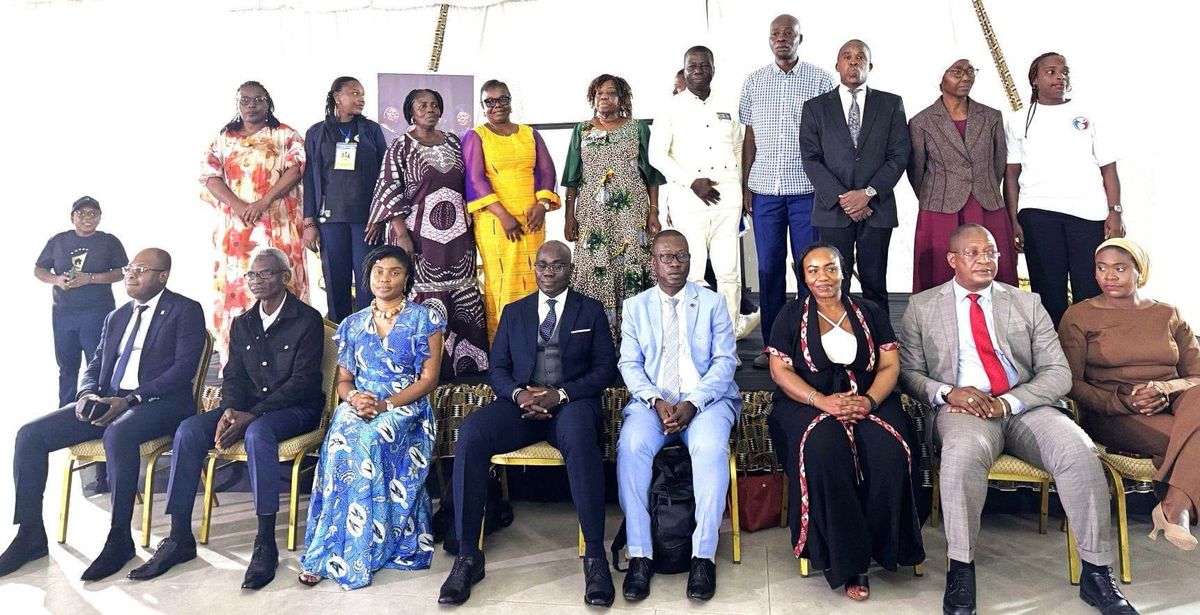
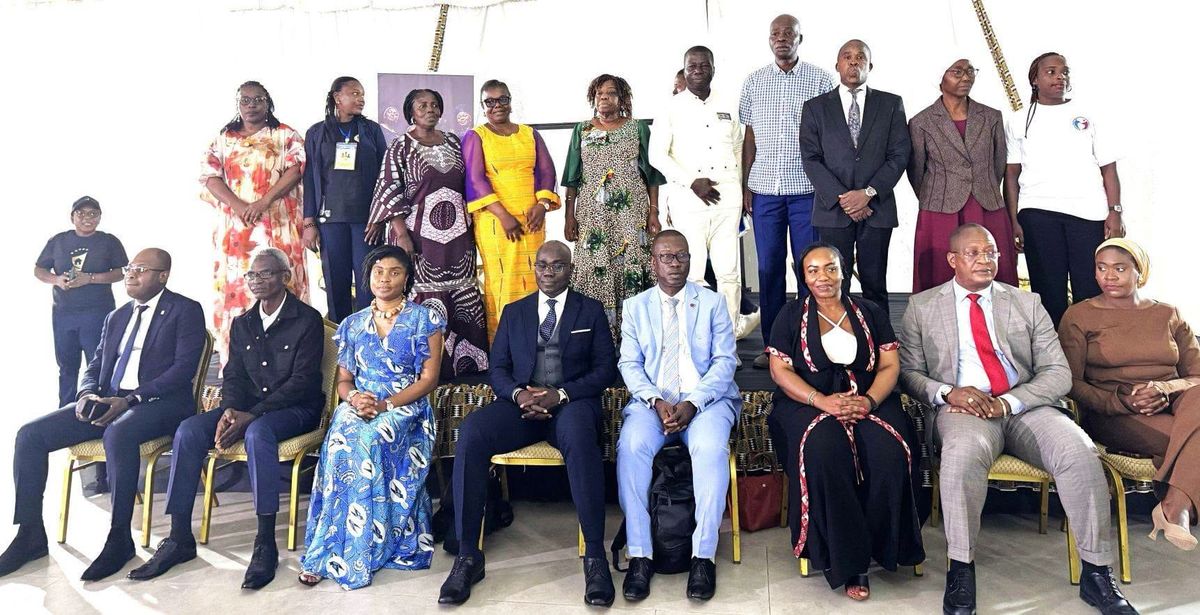
This inaugural edition of the DOMEX Awards brought together prominent representatives from the CGECI, various trade unions including DIGNITÉ, private employment agencies, and a large number of dedicated domestic workers.