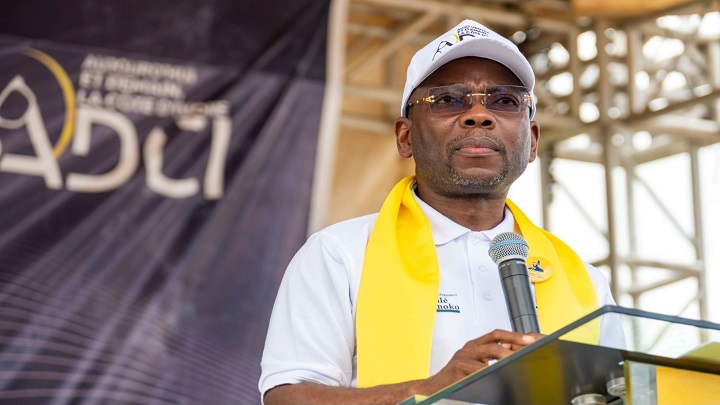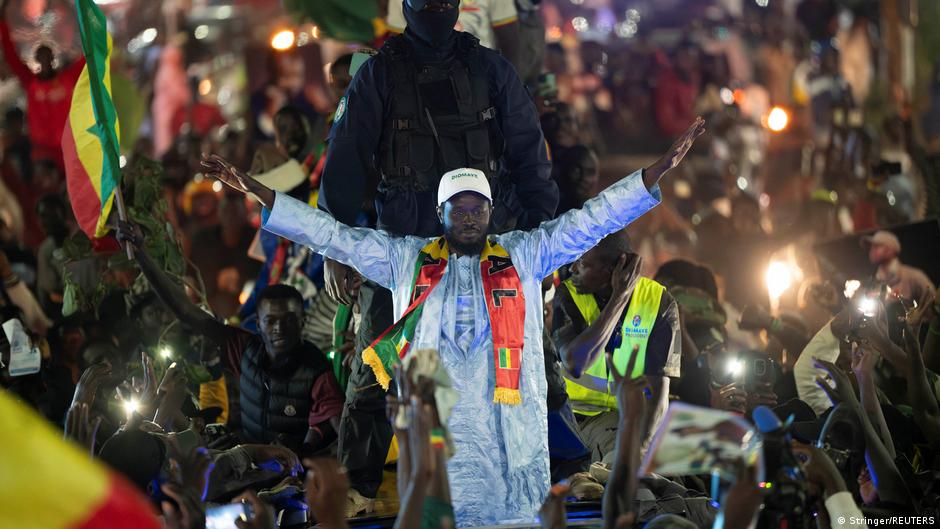
In his hometown of Mbour, President Bassirou Diomaye Faye’s Diomaye Président coalition made a bold statement aimed squarely at the Pastef party. The move signals a deliberate attempt by the head of state to carve out his own political identity, two years into his presidency.
While presented as a routine performance review event, the gathering in Mbour carried significant political weight. It underscored the growing tensions within Senegal’s ruling majority and raised questions about the country’s future electoral landscape.
Asserting an independent presidency
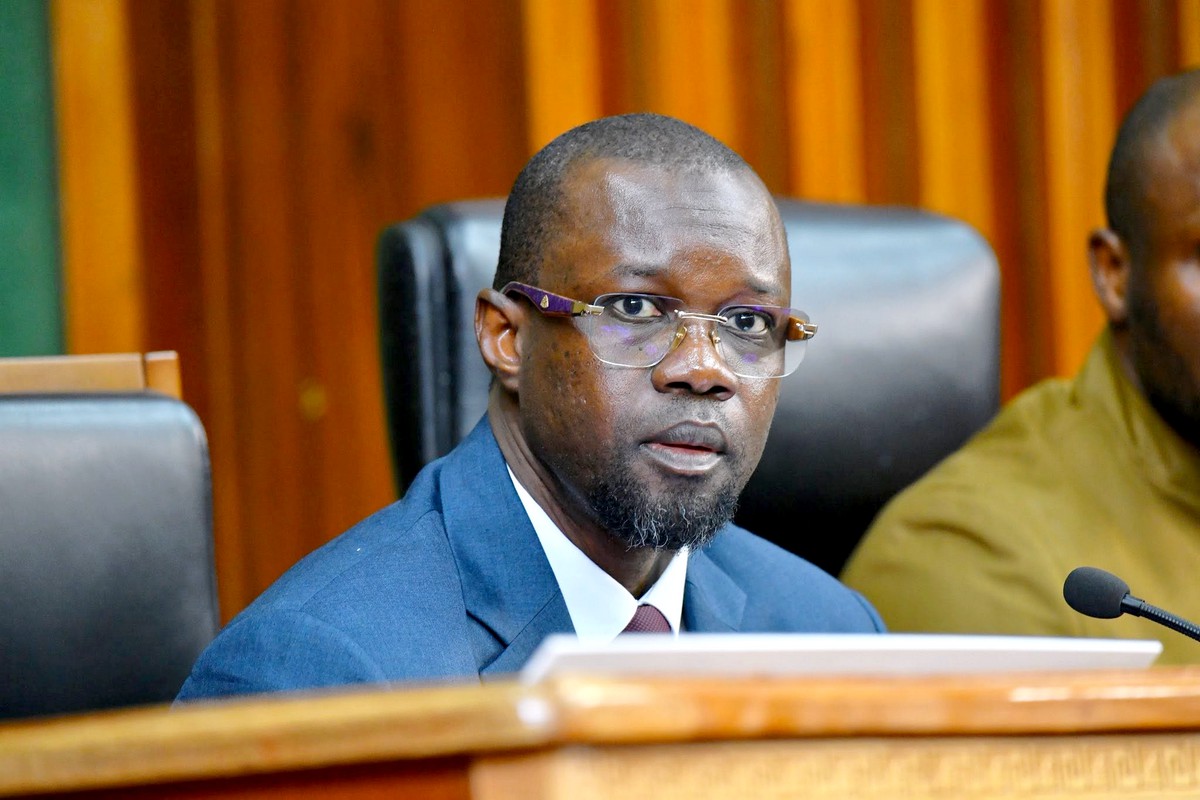
For months, President Faye has been gradually distancing himself from the Pastef movement, the political force that propelled him to victory in the 2024 elections. In a widely discussed interview earlier this month, he criticized what he described as the excessive personalization of the political project—a clear jab at the dominant role of his Prime Minister, Ousmane Sonko, in Senegal’s public sphere.
The Mbour event was seen as a calculated step toward establishing a “Diomayiste” faction—one rooted in the presidency and separate from Pastef’s grassroots machinery. Political observers interpret this as an effort to reinforce constitutional authority, reminding both allies and adversaries that the president remains the ultimate executive power in Senegal.
Mbour as a litmus test for presidential influence
Selecting Mbour for the event was no coincidence. The city is not only a stronghold of Faye’s support but also a safe testing ground for gauging the president’s mobilizing power. The packed stadium in Mbour demonstrated that the coalition has a base of support beyond the strict confines of Pastef networks, even amid criticism over the president’s absence—he appeared via video message.
Analysts say the stakes were twofold: proving a solid popular foundation independent of Sonko’s influence, and psychologically preparing the public for a potential political realignment ahead of upcoming legislative elections and the 2029 presidential race.
The 2029 question: a second mandate in play
During the event, several coalition officials openly urged President Faye to seek re-election in 2029. While premature, the call reveals deeper dynamics at play. If permitted by the Constitution, such a move would reshape the majority’s internal balance—either forcing a long-term cohabitation with Ousmane Sonko or requiring a clear division of roles and ambitions.
The relationship between the two leaders has grown increasingly strained. High-profile dismissals, shifts in presidential communication, and disputes over coalition control point to a simmering power struggle at the heart of the state. An open rupture could fracture the ruling alliance, yet a murky cohabitation risks accelerating political fatigue.
Meanwhile, President Faye faces mounting social expectations: youth employment, cost of living, judicial reforms, and economic governance. While the government highlights progress, delayed reforms and persistent hardships are fueling public impatience across Senegal.
In this context, the Mbour gathering served as more than a political rally—it was a deliberate act of reassurance. With economic pressures mounting and debt constraints tightening, the administration has acknowledged that “challenging times” lie ahead.
A turning point in Faye’s presidency
The Mbour event marks a critical inflection point in Bassirou Diomaye Faye’s presidency. It signals his transition into a more conventional, but riskier, phase of governance—one where the president must balance political loyalty, institutional authority, and long-term vision.
The big question remains: will this strategy of differentiation strengthen his position—or will it spark a lasting crisis within the majority? In a country where unity has long been touted as the cornerstone of the 2024 “break,” Faye’s move could either consolidate his leadership or deepen internal divisions.