double crisis in eastern DRC as ebola and conflict ravage communities
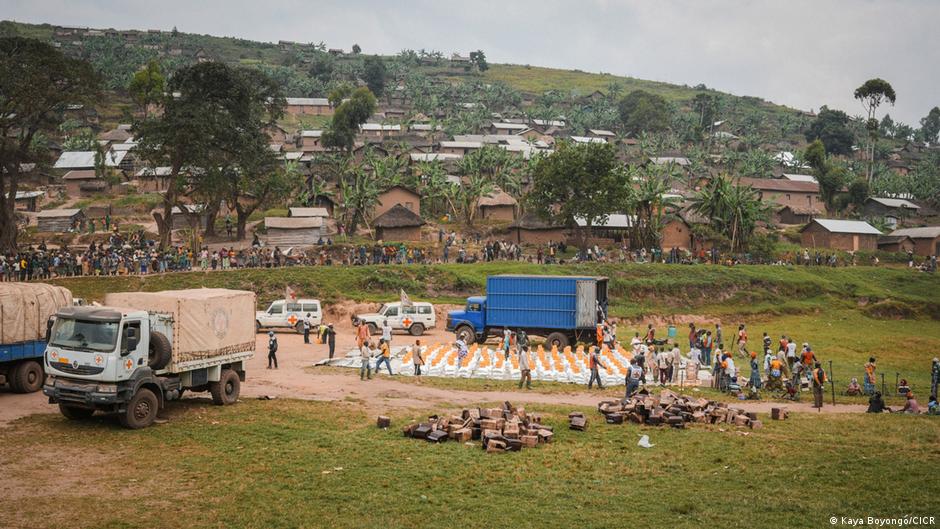
In eastern Democratic Republic of the Congo, thousands of families are trapped between two deadly forces. On one side, the relentless threat of Ebola outbreaks continues to loom over communities already weakened by years of conflict. On the other, persistent armed violence, relentless displacement, and shrinking agricultural opportunities are pushing millions to the brink of severe food insecurity. The International Committee of the Red Cross has resumed critical food and seed distributions, providing essential aid to over 80,000 people despite the compounded challenges of health restrictions. But how can aid workers reach those who must choose between the terror of disease and the agony of hunger?
How ebola and conflict amplify food insecurity
The resurgence of Ebola in eastern DRC compounds the already devastating impact of years of conflict, further destabilizing lives and livelihoods. Communities in this region have endured cycles of violence that repeatedly disrupt their ability to cope and recover. Each wave of crisis erodes their resilience, leaving them increasingly vulnerable. The arrival of Ebola compounds these struggles by restricting movement, disrupting markets, and limiting access to essential services. Vulnerable populations—particularly the poorest households—bear the brunt of these overlapping crises, facing an impossible dilemma.
Devastating effects on agriculture and food production
The strain on food security is visible across the region. Insecurity has forced many families to abandon their farmlands, concentrating agricultural activities in safer but limited areas around villages. This overuse of available land threatens long-term soil degradation and reduces crop yields. Agricultural support services, which play a vital role in boosting productivity, are severely hampered by conflict and restricted access to displacement zones. Households’ capacity to recover and adapt is critically undermined. Border regions are particularly hard hit, as trade restrictions and closed borders disrupt the commercial exchanges that many communities rely on for both food supplies and income.
Restoring hope through targeted aid interventions
Despite the overwhelming challenges, aid organizations are stepping up efforts to mitigate the crisis. Food and seed distributions are helping families rebuild their livelihoods and regain a measure of stability. These interventions not only provide immediate relief but also lay the groundwork for long-term recovery by supporting agricultural productivity. However, the scale of the crisis demands urgent, coordinated action to prevent further deterioration and safeguard the lives and dignity of communities caught in the crossfire of disease and conflict.