The Democratic Republic of Congo has made a strategic pivot in the race for the Organisation internationale de la Francophonie (OIF) secretary-general position, opting to withdraw its candidate in favor of a unified approach. This move comes as regional and global stakeholders weigh the implications of contested leadership bids and the urgent need for diplomatic cohesion.
Behind Kinshasa’s decision to prioritize unity over competition
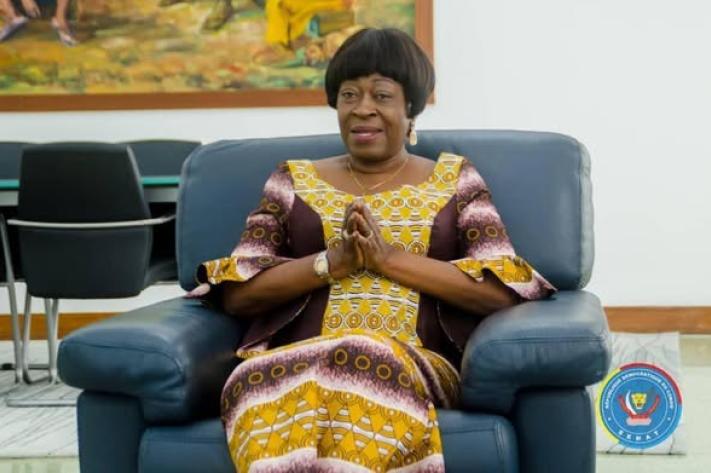
In an official statement, the Congolese Ministry of Foreign Affairs, International Cooperation, Francophonie, and Diaspora Affairs confirmed its withdrawal of Juliana Amato Lumumba’s candidacy. The decision reflects a deliberate choice to de-escalate tensions and foster consensus, rather than contest a fragmented selection process.
The ministry emphasized that this step was not a reflection on Lumumba’s qualifications but a demonstration of leadership responsibility amid escalating disputes over the OIF’s future direction.
Rwanda and Romania: A potential power duo reshaping the OIF race
The withdrawal paves the way for a potential Rwanda-Romania alliance behind Dacian Cioloș, Romania’s former prime minister. Kinshasa’s endorsement signals growing regional alignment, with both countries now advocating for a candidate who could bridge divides among Francophonie member states.
Analysts suggest this collaboration could signal a broader shift toward consensus-based diplomacy within the OIF, particularly as older power dynamics face scrutiny. Cioloș, known for his technocratic approach, is seen as a unifying figure capable of mediating between competing interests.
What’s next for the OIF secretary-general race?
While Kinshasa’s move has set a precedent for compromise, the path forward remains uncertain. The success of this strategy hinges on whether other candidates—especially those backed by influential blocs—will reciprocate with similar flexibility. Key questions include:
- Will Western-backed candidates accept a non-traditional nominee in favor of stability?
- Can African and Caribbean factions reconcile their priorities under a single candidate?
- How will Cioloș’s candidacy reshape alliances in Francophonie politics?
Public reaction: A mix of skepticism and cautious optimism
Reactions to the announcement have been divided. Supporters of a balanced leadership hail the move as a step toward inclusivity, while skeptics argue it may sideline African representation. Meanwhile, diplomatic observers warn that without broader buy-in, the OIF risks reinforcing perceptions of external influence in its governance.
The outcome of this gambit could redefine the OIF’s credibility, either as an institution capable of reform or one struggling to escape its colonial legacy.