DRC faces malaria funding gap in North Kivu amid crises
With the Global Fund’s grant application cycle nearing closure, Médecins Sans Frontières (MSF) is sounding the alarm: the Democratic Republic of the Congo’s North Kivu province risks exclusion from critical malaria funding. As the disease remains the leading cause of illness in this conflict-ridden region, such a withdrawal could devastate public health and exacerbate an already dire humanitarian crisis.
The GC8 funding cycle: a financial decision with life-or-death consequences
The Global Fund’s GC8 cycle (2027-2029) allocates budgets for combating malaria, HIV, and tuberculosis, with submissions closing in late July. Currently, North Kivu—despite being ravaged by armed conflict—is not among the selected regions for malaria control. These funds directly determine access to healthcare in some of the most vulnerable areas.
« For years, the Global Fund’s support has been a lifeline for North Kivu’s malaria patients. Without it, preventable and treatable cases will spiral into a public health catastrophe. In 2026, no one should still be dying from a disease we know how to stop », warns Stéphane Doyon, MSF’s malaria program manager.
The exclusion comes as the province grapples with overlapping crises. A raging Ebola outbreak further strains an already fragile health system, while overlapping symptoms between malaria and Ebola complicate diagnoses, delaying care and overburdening overstretched medical facilities.
Armed conflict fuels malaria surge in North Kivu
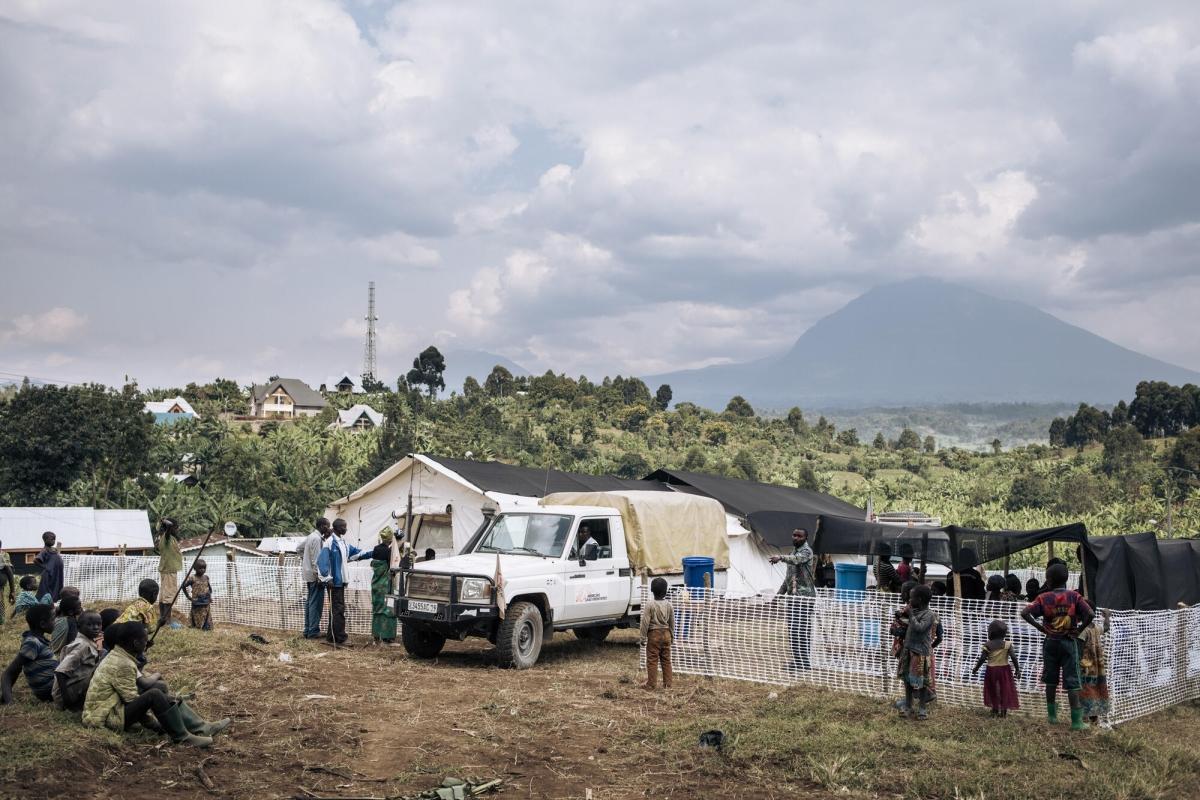
« North Kivu is one of the regions hardest hit by relentless armed violence. Displaced families, food insecurity, and blocked healthcare access create ideal conditions for malaria transmission », explains Stéphane Doyon. Combat between government-aligned armed groups and the M23 has forced civilians into forests and remote areas—breeding grounds for mosquitoes—while stripping them of medical care.
In 2025, MSF-supported health zones like Bambo, Kibirizi, and Rutshuru reported malaria accounting for 48% to 58% of all medical consultations. Key figures include:
- Over 255,000 uncomplicated malaria cases and 26,000 severe cases managed alongside the Ministry of Health and partners.
- 165,560 patients treated in MSF-supported facilities.
Malnutrition: the silent killer magnifying malaria’s toll
Worsening malnutrition rates in MSF-supported clinics amplify malaria’s impact, particularly among children under five. Weakened immune systems lead to higher risks of severe complications and death.
Supply shortages cripple malaria prevention efforts
Critical malaria prevention measures have ground to a halt in North Kivu. No distribution of insecticide-treated nets has occurred since June 2023, and between July and December 2025, North Kivu received no malaria tests or treatments due to logistical hurdles.
To fill the void, MSF has procured emergency supplies, covering:
- 53% of uncomplicated malaria treatments.
- 35% of severe malaria treatments in Kibirizi, Bambo, and Rutshuru.
With North Kivu’s vast territory and population, this stopgap approach is unsustainable.
MSF urges fair fund allocation as deadline looms
With the funding cycle’s deadline near, MSF is calling on the Global Fund and DRC authorities to reinstate North Kivu in the GC8 program. The organization also demands equitable distribution of health resources based solely on disease burden and civilian vulnerability.