
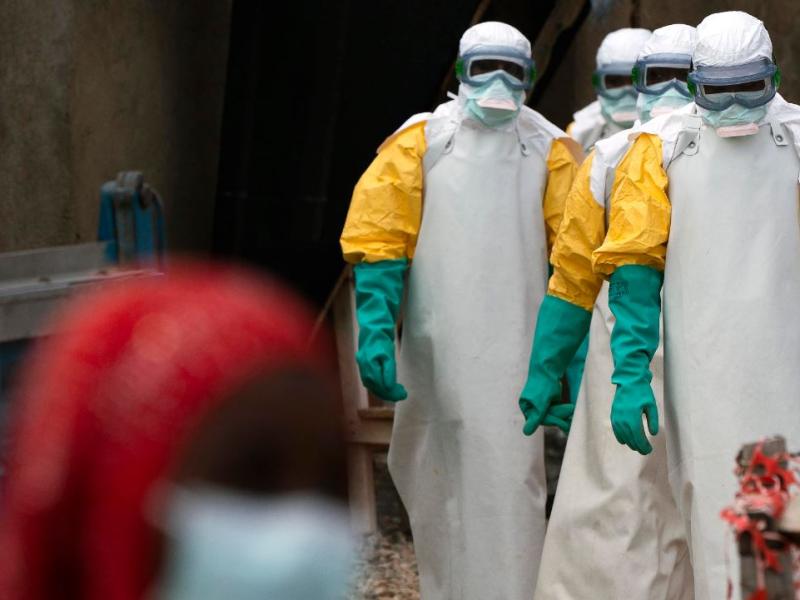
Ebola crisis escalates in Democratic Republic of Congo with 515 confirmed cases and 91 fatalities
- Health
The Ebola outbreak in the Democratic Republic of Congo (DRC) shows no signs of slowing, with the latest official figures revealing the true scale of the crisis in the eastern provinces. According to the June 7 situation report from the National Institute of Public Health (INSP), the virus has now infected 515 people across Ituri, North Kivu, and South Kivu provinces since the outbreak began.
The same report confirms that the epidemic has claimed 91 lives, representing a global fatality rate of 17.7%. Of those infected, 283 patients remain in isolation or under medical care, while 12 individuals have recovered since the outbreak’s emergence.
In the past 24 hours alone, health authorities have recorded 27 additional confirmed cases, signaling the ongoing spread of the virus despite containment efforts.
Epicenter shifts to Ituri province
The outbreak has now spread across 25 health zones out of the 104 total zones in the DRC. Ituri province remains the hardest-hit region, with 17 of its 36 health zones affected, including critical areas like Aru, Bunia, Komanda, and Mambasa.
While the epidemic initially concentrated in North Kivu, the situation in Ituri has deteriorated rapidly. The neighboring provinces of North Kivu and South Kivu also report active transmission, with Katwa health zone in North Kivu emerging as a particularly concerning hotspot, recording 11 confirmed cases and 8 deaths.
Key affected areas in North Kivu and South Kivu:
- Katwa: 11 cases, 8 deaths
- Beni: 5 cases, 3 deaths
- Butembo: 4 cases, 2 deaths
- Miti-Murhesa: 3 cases, 1 death
- Oicha: 2 cases, 2 deaths
- Kalunguta: 1 case, 1 death
- Kyondo: 1 case, 0 deaths
- Goma: 1 case, 0 deaths
Challenges hampering containment efforts
The response teams face significant obstacles in their fight against the virus. Persistent insecurity in parts of Ituri continues to disrupt medical interventions and community outreach programs. Logistical hurdles, including limited access to affected communities, further complicate containment efforts.
Public health experts emphasize that community engagement and trust-building remain critical challenges. The spread of misinformation and harmful rumors has undermined prevention efforts, with many vulnerable populations hesitant to seek medical care or follow safety protocols.
Health authorities are urging citizens to report suspected cases immediately and adhere strictly to prevention measures to curb further transmission. The situation demands urgent, coordinated action to prevent the outbreak from spiraling further out of control.




More Stories
Mamadi Doumbouya de retour à Conakry après sa visite d’État en Côte d’Ivoire
Elversberg vs Bayern Munich: where to watch the Bundesliga clash
Mali: près de 80 soldats tués dans l’attaque de Dioura