
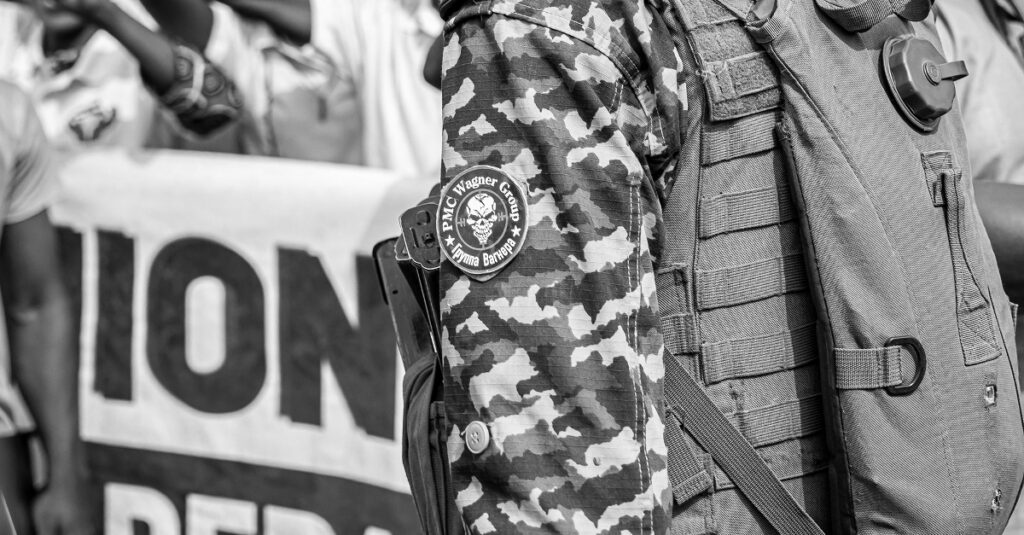
Brussels tightens grip on shadow fleet enabling russian oil exports
The European Union has escalated its crackdown on nations complicit in Russia’s shadow oil trade, with Cameroon becoming the first to act against vessels exploiting its flag for illicit transactions. While the EU bears the brunt of diplomatic fallout, an elite group of member states is quietly gathering intelligence to expose these covert operations.
Behind the bloc’s aggressive stance lies a coordinated effort to dismantle the so-called phantom fleet—a network of ships used to bypass Western sanctions on Russian crude. Brussels has warned that any country turning a blind eye to these maneuvers risks severe repercussions, including trade restrictions and financial penalties.
Cameroon leads the charge against maritime fraud
Cameroon’s swift response marks a turning point in the EU’s strategy. Authorities have launched audits to purge their maritime registry of suspicious vessels, signaling a rare alignment with Brussels’ sanctions regime. The move follows mounting evidence that Russian-owned ships, stripped of their original flags, have been re-registered under Cameroonian documentation to obscure their origins.
Analysts suggest this shift may pressure other African and Middle Eastern states to follow suit. The EU’s ultimatum is clear: compliance is non-negotiable, or face isolation in global trade circles.
Shadow fleet tactics under scrutiny
The phantom fleet thrives on loopholes, exploiting weaker maritime registries to mask its operations. By leveraging flags of convenience, these vessels transport Russian oil to Asia and other markets, funneling billions into Moscow’s war chest. The EU’s gambit aims to sever this lifeline by targeting the enablers—not just the ships themselves.
With sanctions tightening, the stakes have never been higher. Countries caught in the crossfire now face a stark choice: sever ties with the shadow fleet or risk becoming pariahs in the eyes of Brussels.
More Stories
Is Chad truly heading towards political appeasement?
Bradley Barcola will adapt faster than Florian Wirtz at Liverpool, says Jermaine Pennant
Togo eyes nuclear power to secure future energy sovereignty