France stands at a critical juncture as urban unrest intensifies, with smoldering barricades, shattered storefronts, and violent clashes in major cities marking another explosive night. In a bold move that signals a decisive turn in the nation’s security strategy, President Emmanuel Macron has rejected Interior Minister Laurent Nuñez’s resignation — a bold stance that underscores the gravity of the moment and the urgent need for systemic change.
The decision arrives after days of escalating unrest, where law enforcement’s response has come under fierce scrutiny. Rather than a simple personnel shuffle, Macron’s move represents a clarion call for a fundamental overhaul of how France protects its streets, its citizens, and its institutions.
From crisis response to breakthrough: A mandate for transformation
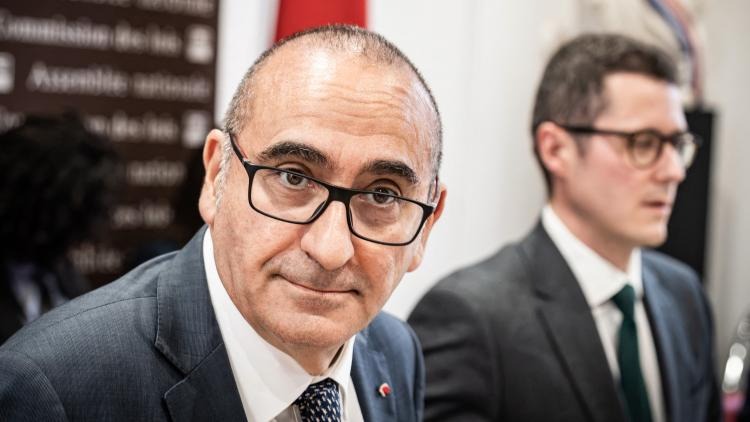
In a rare public acknowledgment of systemic failure, Laurent Nuñez tendered his resignation over the weekend, citing the need to take responsibility for the unprecedented breakdown in public order. But President Macron, in a move that signals both resolve and repositioning, stood firm — rejecting the resignation not as a capitulation, but as a necessary bridge to reform.
The Élysée framed the decision as a commitment to continuity in leadership during turbulence, yet attached an unmistakable condition: Nuñez must implement sweeping changes in security operations immediately. The message was clear — France cannot afford delay. Failure to restore confidence in law enforcement is no longer an option.
New tactics, sharper focus: How France plans to reclaim its streets
A shift from passive containment to proactive intervention
No longer will the state tolerate a reactive stance. French authorities are rolling out a new operational doctrine designed to dismantle riotous mobs before they can form, block access to urban zones targeted for unrest, and neutralize threats with decisive force. The goal is unambiguous: prevent the repetition of scenes that have shocked the nation.
Key changes include:
- Preemptive barricade dismantling: Police are now authorized to dismantle roadblocks and barricades as soon as they form, not after hours of unrest.
- Proactive disruption of looting hotspots: Security forces will intercept and neutralize groups before they reach commercial districts, using targeted containment and rapid deployment.
- Real-time intelligence integration: A new rapid-response intelligence hub will consolidate live data from cameras, social media, and informants to predict and preempt outbreaks of violence.
Closing the intelligence gap that fueled the chaos
The riots exposed deep flaws not only in on-the-ground tactics but in the failure to anticipate the scale of the threat. President Macron has demanded a full audit of France’s intelligence and forecasting systems, labeling the lapses as “strategic blind spots” that allowed civil unrest to spiral out of control.
Nuñez has been tasked with delivering a comprehensive report on intelligence failures within 30 days. The findings will be made public, placing transparency at the heart of the reform effort. Public trust hinges on accountability — and France is betting its credibility on getting this right.
Under the microscope: Nuñez’s tightrope walk to redemption
Laurent Nuñez now faces the most defining challenge of his tenure. With his position intact but his reputation on trial, he must deliver rapid, visible results — or face the political consequences of another security meltdown.
The stakes could not be higher. Each passing hour without visible improvement risks emboldening further unrest and eroding public confidence in the state’s ability to protect its people. Meanwhile, opposition leaders are already calling for Nuñez’s head, framing his survival as a betrayal of the crisis’s victims.
The president’s gamble is clear: by doubling down on leadership rather than replacing it, Macron is betting that decisive action — not personnel changes — will restore order. But in a nation edging toward constitutional crisis, there is no room for second chances.
What comes next: A nation on the brink of a new security era
France is no longer merely reacting to unrest — it is reshaping its entire approach to public safety. The coming weeks will determine whether this turning point leads to stability or deeper fracture. What is sure is that the old way of doing things is over.
The question now is not whether the state will regain control, but how quickly it can prove it deserves to.