Senegal’s debt strategy sparks scrutiny as Sonko defends alternative financing amid public backlash
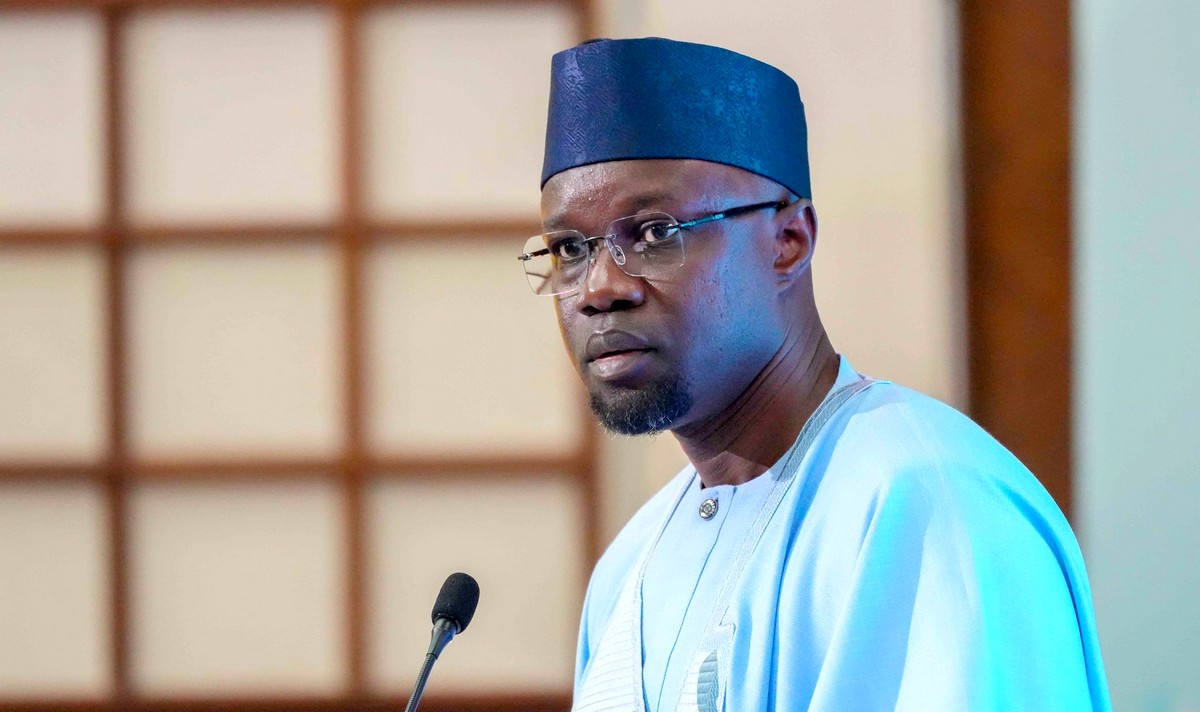
Former Senegalese Prime Minister Ousmane Sonko stood firm on October 19, 2026, to defend his government’s approach to public debt management during his tenure, rejecting restructuring in favor of alternative financing solutions. His remarks, delivered during a press conference, underscore a growing debate over Senegal’s debt strategy and the long-term implications of his administration’s decisions.
Sonko’s defense: no debt restructuring was ever supported
Sonko directly addressed claims of inaction in managing Senegal’s public debt, asserting that neither he nor key officials under his leadership ever endorsed a debt restructuring. “Former Finance Minister Abdourahmane Sarr, current Finance Minister Cheikh Diba, and I—none of us ever supported restructuring,” he stated. According to Sonko, President Bassirou Diomaye Faye aligned with this stance after multiple discussions, reinforcing the government’s refusal to pursue restructuring throughout his time in office.
Mobilizing funds without debt restructuring
Critics had accused Sonko’s administration of failing to act decisively on debt management. In response, he emphasized the launch of the Economic and Social Recovery Plan, backed by financial discussions documented in official records. Sonko highlighted collaborations with major financial institutions, including the African Development Bank, the West African Development Bank, and JPMorgan, aiming to secure between 1.8 and 2 trillion West African CFA francs through a guarantee fund. This strategy, he argued, provided an alternative to debt restructuring by tapping into external financing options.
UAE deal: a game-changer or unproven promise?
Sonko also revealed negotiations with the United Arab Emirates, claiming two visits resulted in a nearly $2 billion agreement. He reported that $1 billion was released in February 2026, with $900 million allocated for financial operations and $100 million designated for a business center in Dakar’s former French military site in Mermoz. While Sonko insists documentation exists to support his claims, independent verification of the funds, their release, and their allocation remains pending.
Rejecting the G20 common framework: a strategic gamble?
Sonko argued that the alternative financing routes his government pursued made the G20’s common framework unnecessary, framing Senegal’s debt challenges as a liquidity issue rather than a solvency crisis. “Senegal should not be the first test case for unproven systems,” he stated. He also cited support from International Monetary Fund (IMF) leadership, who reportedly acknowledged Senegal’s potential for recovery with appropriate support.
Unanswered questions and the road ahead
While Sonko’s defense offers insight into his administration’s debt strategy, key questions remain. Were the alternative financing arrangements formally secured? Have the UAE funds been disbursed as claimed? Could these mechanisms alone address Senegal’s long-term debt sustainability? Without official confirmations or public documentation, the effectiveness and feasibility of his approach remain uncertain. Clarification from relevant institutions will be essential in assessing the credibility and impact of his claims.
The public debate intensifies
The fallout from Sonko’s declarations has fueled public debate about the future of Senegal’s debt policy. As stakeholders weigh the risks and benefits of restructuring versus alternative financing, the government faces increasing pressure to substantiate its claims and provide transparency. The outcome of this discourse could shape Senegal’s economic trajectory for years to come.